

Raccoons and squirrels commonly invade attics during late spring as they search for safe nesting areas to raise their young. These intrusions can lead to serious property damage, contaminated insulation, chewed wiring, and potential health hazards if left untreated. Professional wildlife removal and full attic restoration help protect homes from ongoing structural issues, fire risks, and repeat infestations.
Late spring in Michigan brings longer days, warmer temperatures, and one seasonal reality most homeowners don't think about until they hear something moving around above their ceiling: nesting season. Raccoons and squirrels are among the most common wildlife intruders in Southeast Michigan, and May and June represent the peak window for attic intrusions. Females are actively searching for protected, enclosed spaces to raise their young, and residential attics check every box on that list.
The sounds are easy to dismiss at first. A scratch here, a thump in the early morning, something that might be settling or might be branches. By the time most homeowners take it seriously, the animal has been inside long enough to cause damage that goes well beyond the entry point. Insulation is compressed or contaminated, wiring may have been chewed, and the structural materials around the breach have been worked on repeatedly.
Wildlife intrusion is not a minor nuisance problem. It is a property damage situation with health implications, and it gets more expensive the longer it goes unaddressed.
Raccoons are strong, persistent, and surprisingly dexterous. They don't need a pre-existing hole — they create one. Common entry points include:
Once inside, a raccoon does not simply nest quietly in a corner. The attic becomes a living space — and the damage reflects that.
Raccoon feces can carry Baylisascaris procyonis, a roundworm whose eggs become airborne when dried feces is disturbed. This is a serious health concern that requires professional handling and proper decontamination — not a shop vac and a dust mask. Contaminated insulation cannot simply be patted back into place. It needs to be removed, the area decontaminated, and new insulation installed.
Squirrels are smaller and more agile than raccoons, which means their entry points are smaller and easier to miss. A gap the size of a golf ball is enough for a squirrel to pass through. Common access points include:
Squirrels are quieter than raccoons and their entry points are smaller, which means intrusions often go unnoticed for longer. Homeowners hear light scratching and assume it's a mouse or something outside. The exterior damage is subtle enough that it doesn't register during a casual glance at the roofline. By the time the problem is identified, a squirrel or two has become a nest of five or six, and the damage has been accumulating for weeks or months.
Squirrels gnaw constantly — it's a biological necessity driven by continuously growing incisors. Inside an attic, that gnawing is not selective:
Michigan has specific regulations governing the handling and relocation of wildlife, particularly raccoons. Trapping and relocating without proper licensing can create legal exposure, and improper handling creates safety risk. Beyond the legal dimension, eviction without a comprehensive exclusion strategy is almost always temporary — the animal returns, or another takes its place.
The most common DIY mistake is sealing entry points before confirming that all animals — including juveniles — are out of the space. A mother raccoon sealed out from her young will cause significantly more damage trying to get back in than the original entry caused. Young animals sealed inside without the mother will not survive, creating a decomposition and odor problem that is difficult and expensive to resolve.
A professional approach to wildlife intrusion covers things a homeowner attempt does not:
Wildlife removal gets the animals out. Wildlife damage repair addresses what they left behind — and those are two very different scopes of work. A home that has had raccoons or squirrels in the attic needs a thorough assessment before any repair work begins, covering:
Contaminated insulation is not a partial fix situation. Spot-removing the most visibly soiled sections and adding new material on top leaves contamination in place and doesn't restore thermal performance. Full removal, proper decontamination of surfaces, and fresh insulation installation is the correct approach — and in most cases it is what a properly documented insurance claim will support.
Sealing entry points is not a secondary concern to address later. It is part of the repair process. Every identified vulnerability — current and potential — should be addressed with appropriate materials during the restoration work. Flashing, hardware cloth, and sealed penetrations installed correctly make reinfestation significantly less likely.
Wildlife damage is a covered peril under many homeowner insurance policies, though the scope of coverage varies. At Titus Contracting Group, insurance claim assistance is part of how we work. We document the damage thoroughly, present a complete scope to the insurer, and work directly with adjusters so homeowners aren't navigating that process on their own.
Wildlife intrusion damage follows a predictable pattern. It starts small — a sound here, a minor exterior scuff there — and it compounds quietly over weeks and months. By the time most homeowners take it seriously, the damage has moved well past the entry point and into insulation, wiring, and structural materials that require professional restoration, not just a patch and a trap.
Late spring is the peak window for raccoon and squirrel intrusions across Southeast Michigan. If you've heard something in your attic, noticed damage along your roofline, or detected unusual odors on your upper floors, the right move is a professional inspection — not a wait-and-see approach.
Titus Contracting Group serves homeowners across Shelby Township, Rochester, Auburn Hills, Orion Township, and the surrounding Michigan communities. We offer free inspections, 24/7 emergency response, and full wildlife damage restoration from entry point repair and insulation replacement to insurance claim assistance.
Discover the latest strategies for effective water damage restoration and how our 24/7 emergency response can safeguard your home.
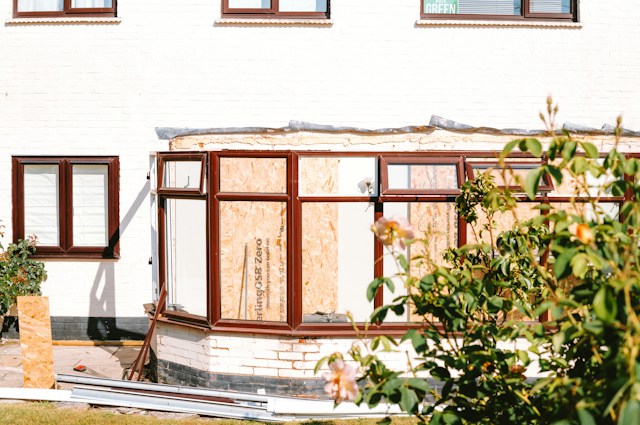
Delaying summer storm damage repairs into fall can allow minor roof, siding, gutter, and moisture problems to spread into more extensive damage. Addressing storm damage before winter can reduce repair costs, simplify insurance documentation, and protect the home from freeze-thaw conditions.
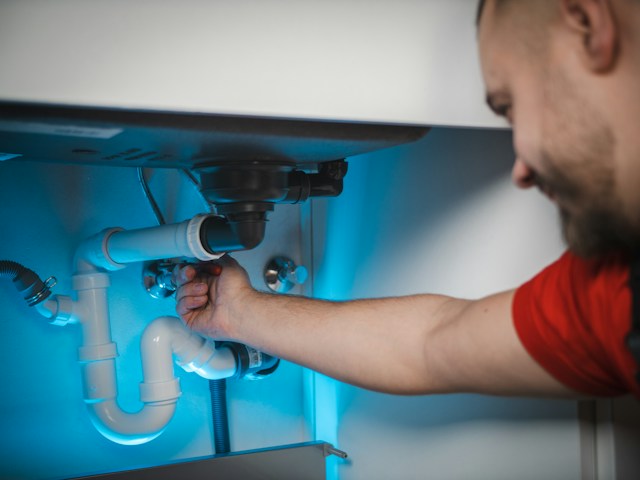
Michigan’s first freeze can expose hidden plumbing and foundation vulnerabilities, including uninsulated pipes, drainage problems, and existing cracks. Preparing these areas before temperatures drop can help prevent burst pipes, moisture intrusion, and costly winter damage.
.jpg)
A fall home inspection can uncover roof, gutter, foundation, plumbing, attic, and wildlife issues before Michigan’s winter weather makes them worse. Addressing small problems before freezing temperatures arrive can help prevent water damage, frozen pipes, structural concerns, and costly repairs.
