
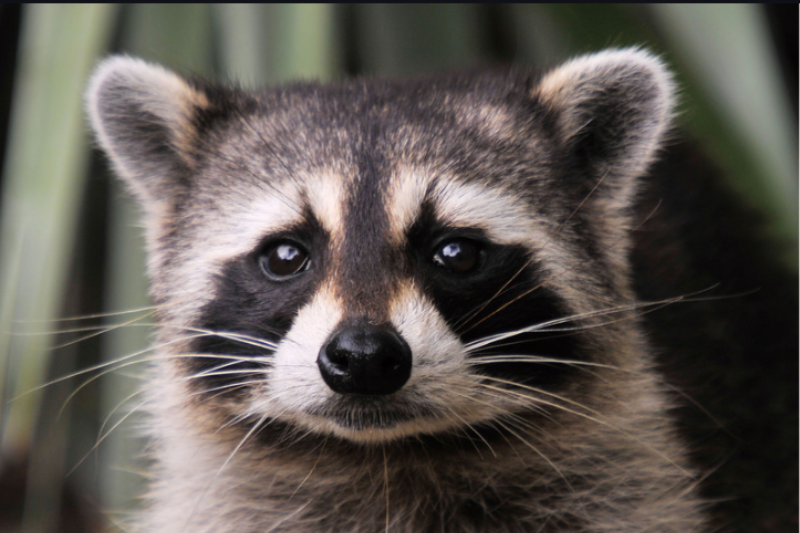
Raccoons can cause extensive attic damage by destroying insulation, contaminating materials with waste, damaging vents, and chewing electrical wiring. What may start as occasional noises overhead can quickly develop into a costly restoration project if left unaddressed. Early inspection and professional remediation help protect a home's structure, energy efficiency, safety, and indoor environment.
Most homeowners hear the noise first. A thump above the bedroom ceiling. Scratching near the roofline late at night. Maybe the sound of something moving with purpose overhead. The instinct is usually to brush it off, maybe mention it to a neighbor, and see if it stops on its own.
It won't stop on its own. And by the time the sounds do quiet down, a raccoon or an entire family of them has already been busy.
Raccoons are not passive houseguests. They are strong, persistent animals that treat your attic as a fully functional living space. They nest there, raise young there, and leave behind a level of damage that surprises most homeowners once it's actually seen. We've walked into attics across Michigan where the insulation was destroyed, wiring was chewed through, and the contamination alone required professional remediation. None of those homeowners thought it would be that bad when they first heard the noise. That gap between expectation and reality is exactly why raccoon attic damage is worth taking seriously from the start.
Raccoons are opportunistic and highly adaptable, which is part of what makes them such a persistent problem for Michigan homeowners. An attic checks every box they're looking for: warmth, shelter, protection from predators, and a quiet place to raise young.
Late winter through early spring is peak nesting season. Female raccoons in particular are highly motivated to find and secure a nesting site before giving birth, and they are not easily deterred. If a soffit is loose or a vent screen is aging, they will work at it until they get through. Once inside, they tend to return to the same location year after year unless entry points are permanently sealed.
Raccoon insulation damage in Michigan attics is one of the most common and most costly outcomes of an infestation. It goes well beyond a few displaced batts. Raccoons physically tear insulation apart to build nests, compressing it into dense piles and leaving large sections flat and thermally useless. Over the course of even a single nesting season, an animal family can work through a significant portion of an attic's insulation coverage.
The bigger issue is contamination. Raccoons use the attic as a latrine, returning repeatedly to the same areas. Urine saturates insulation deeply, and feces accumulates in layers. Insulation that appears visually intact in other areas of the attic may still carry contamination from airborne exposure. There is no partial fix for this. In most cases, the affected insulation has to come out entirely before new material can go in.
Raccoons do not slip through gaps. They force their way in. Roof vents, soffit vents, and gable vents are common entry points, and the damage they leave behind is structural. Screens get pulled away, vent covers get bent or broken, and framing materials get torn. By the time a raccoon has established access, the opening is compromised in a way that doesn't seal itself.
That matters long after the animal is removed. An open or damaged vent is an invitation for the next problem: water intrusion, birds nesting, squirrels following the same path in, or simply uncontrolled airflow that affects attic moisture levels and energy efficiency. Treating the wildlife problem without addressing the entry point is an incomplete fix.
Of everything raccoons do in an attic, chewed wiring is the damage that carries the most serious long-term risk. Raccoons gnaw on wiring as part of nesting behavior and out of general instinct, and the result is exposed conductors running through an enclosed space with insulation and wood framing on all sides. That is a fire hazard.
The problem is that this damage is not visible without physically inspecting the attic. Homeowners have no way to know from below whether wiring has been compromised. A standard visual sweep is often not enough either. Chewed sections can sit undisturbed for months before they cause a problem, which is one reason why a professional assessment is not optional after a raccoon infestation. It is a necessary step.
Raccoon waste is not a minor cleanup issue. Raccoon feces can carry Baylisascaris, a roundworm that is transmissible to humans and potentially serious. Raccoon urine has been associated with leptospirosis. These are not theoretical risks. They are documented health concerns that have real implications for anyone entering a contaminated attic space without proper protective equipment.
Contamination also spreads further than the visible waste piles. Urine soaks through insulation and into subfloor materials. Airborne particles from dried feces can circulate through the attic space. The longer the infestation has been active, the more extensive the contamination tends to be. This is not a situation where removing the animal and hosing things down is sufficient. Professional remediation is the only appropriate response.
One of the things that makes raccoon attic damage feel overwhelming is the sense that fixing it requires untangling a dozen different problems at once. In practice, professional attic restoration follows a clear sequence, and every step builds on the one before it. When handled correctly, it is a manageable process with a defined endpoint.
Attic restoration services after raccoon damage typically include:
The most common version of this situation we see is a homeowner who heard noises months ago, assumed the animal eventually left, and is now dealing with significantly more damage than they would have been had they addressed it early. The sounds stopping does not mean the problem resolved itself. In many cases, it means the raccoon has settled in and quieted down.
Every week of delay compounds the damage. More insulation gets torn and contaminated. Waste accumulation increases. Entry points that might have been simple repairs become more deteriorated. And if there are young involved, the nesting period extends the timeline further.
A few things Michigan homeowners should keep in mind:
Most people are surprised by what a raccoon infestation actually looks like up close. Not because it's unusual, but because the gap between "something's up there" and "my attic needs full restoration" feels larger than it should be. The truth is, it doesn't take long. A single nesting season is enough to destroy insulation, compromise wiring, contaminate materials, and leave entry points wide open for whatever comes next.
Don't wait for a small problem to become a costly one. Titus Contracting Group provides free attic inspections and professional attic restoration services throughout Michigan, including Shelby Township, Auburn Hills, Rochester, Orion Township, and Oakland Charter Township. Whether you heard something last night or have been putting this off for a few weeks, we can tell you exactly what you're dealing with and walk you through the next steps.
Discover the latest strategies for effective water damage restoration and how our 24/7 emergency response can safeguard your home.
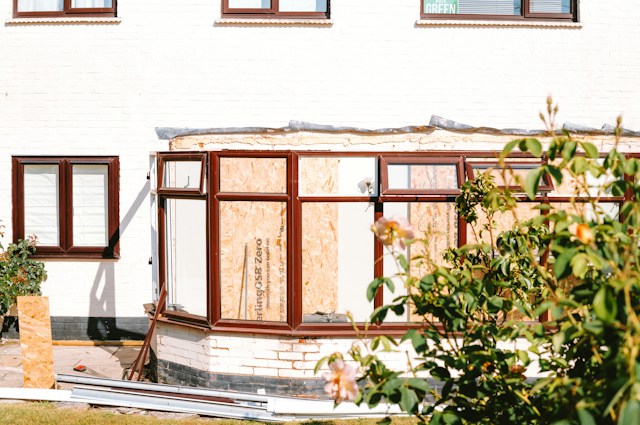
Delaying summer storm damage repairs into fall can allow minor roof, siding, gutter, and moisture problems to spread into more extensive damage. Addressing storm damage before winter can reduce repair costs, simplify insurance documentation, and protect the home from freeze-thaw conditions.
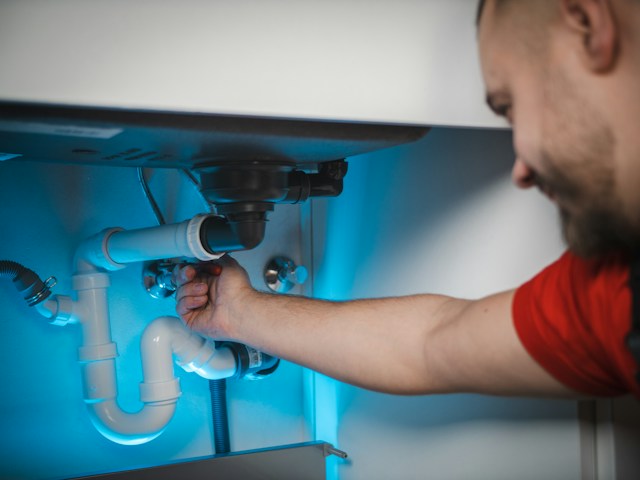
Michigan’s first freeze can expose hidden plumbing and foundation vulnerabilities, including uninsulated pipes, drainage problems, and existing cracks. Preparing these areas before temperatures drop can help prevent burst pipes, moisture intrusion, and costly winter damage.
.jpg)
A fall home inspection can uncover roof, gutter, foundation, plumbing, attic, and wildlife issues before Michigan’s winter weather makes them worse. Addressing small problems before freezing temperatures arrive can help prevent water damage, frozen pipes, structural concerns, and costly repairs.
