
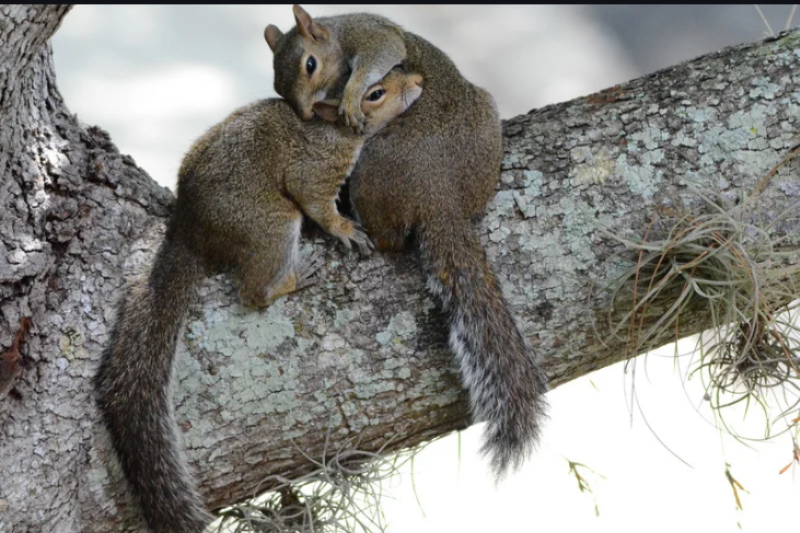
Squirrels in an attic can cause far more damage than most homeowners realize, including compromised roof vents, rotted fascia boards, damaged insulation, and chewed electrical wiring. Because wiring damage is often hidden, it can create a serious fire hazard long before any visible warning signs appear. Early inspection and professional repairs can help prevent costly structural damage and reduce safety risks.
Most homeowners hear scratching in the attic and assume it's a minor nuisance. Maybe a squirrel found its way in, they think. It'll leave on its own. And honestly, that's a reasonable first reaction. Squirrels are everywhere in Michigan, and it's easy to write them off as harmless backyard animals.
The problem is that once a squirrel gets into your roof or attic, it stops being a wildlife problem and starts being a home safety problem. These animals chew constantly, and they don't discriminate. Wood, insulation, plastic, aluminum, and electrical wiring are all fair game. What looks like a minor pest situation from the outside can quietly become structural damage, water infiltration, and in the worst cases, a fire risk that never gets traced back to its source.
Squirrel damage tends to compound. Each week it goes unaddressed, the entry point widens, the chewing spreads, and the repair cost climbs. Understanding how squirrels get in, what they damage, and why some of that damage is genuinely dangerous is the first step toward protecting your home.
Roof vents are designed to regulate airflow and temperature in your attic, but they're also one of the most accessible spots on your roofline. Most standard vent covers are made from plastic or thin aluminum, neither of which presents much of a challenge to a squirrel. These animals have strong, continuously growing incisors and the motivation to use them.
Once a squirrel identifies a vent as a potential entry point, it will return and work at it until it gets through. A small gap in a damaged cover is enough to get started. From there, the opening only grows.
Beyond vents, squirrels commonly exploit:
Squirrel entry points don't always announce themselves. A lot of homeowners don't realize there's an active problem until they hear movement overhead or notice something obvious like nesting debris near a vent. But there are subtler signs worth paying attention to:
Fascia boards run along the lower edge of your roofline, closing off the gap between the roof deck and the exterior wall. They're part of what gives a roofline its finished look, but they also serve a functional purpose: keeping moisture, pests, and outside air out of the attic.
Squirrels target fascia boards because they're often made of wood, positioned right at roofline level, and provide direct access to the attic cavity once compromised. Aging or slightly damaged fascia is especially attractive because it's already softened enough to make chewing easier.
The damage path here is straightforward and hard to stop once it starts:
What starts as a small chewed section can become a full-length stretch of rotted fascia within a single Michigan winter. And because fascia runs along the roofline, damage in one area tends to affect adjacent sections over time.
There's also a mold risk that often gets overlooked. Once moisture is consistently entering through damaged fascia, the attic insulation and wood framing absorb it. That creates the conditions mold needs to take hold, and attic mold is one of the more expensive remediation jobs a homeowner can face.
Squirrels are rodents, which means their incisor teeth grow continuously throughout their lives. To keep them from overgrowing, squirrels chew constantly on hard materials. In the wild, that means bark, nutshells, and branches. In your attic, it means whatever is available, including electrical wiring. Attic wiring is particularly vulnerable because it's often unsheathed, runs along exposed joists and rafters, and is completely unprotected from an animal that has no reason to avoid it.
When a squirrel strips the insulation off a wire, it exposes the conductive core to everything around it: wood framing, insulation, dust, and other wires. Any of those contact points can produce heat, arcing, or a spark. In an attic full of insulation and dry wood, that's a fire risk that can smolder undetected for a long time before it becomes something visible.
The danger is compounded by how difficult this damage is to find:
There's no homeowner-level way to assess this kind of damage without physically accessing the attic and knowing what to look for. A professional wildlife damage inspection covers the wiring, insulation, entry points, and structural framing together, so you're not left wondering what else was missed.
When Titus Contracting Group responds to a wildlife damage call, the goal isn't to fix what's visible and move on. The inspection covers everything: entry points, fascia condition, vent and soffit integrity, attic insulation, wiring exposure, and any moisture damage that has accumulated.
That matters because squirrel damage rarely stops at one spot. An animal that has been in your attic for weeks has moved around, chewed in multiple locations, and potentially nested near insulation or wiring. Treating it as an isolated problem almost always leads to a missed repair and a repeat call.
What a Titus repair can include:
Squirrel and wildlife damage is often a covered loss under standard homeowner's insurance policies, but the claim process isn't always straightforward. Titus helps homeowners document the damage, navigate the claim, and work directly with insurers so the repair doesn't get stuck waiting on approvals or paperwork.
Michigan homes deal with a lot. Freeze-thaw cycles weaken rooflines and create the gaps squirrels need to get started. Spring and fall are peak entry seasons, and once an animal finds a warm attic, it doesn't give it up easily. Knowing what to look for and taking early signs seriously is genuinely the most effective form of home protection there is.
The structural stuff can be repaired. The fascia, the vents, the insulation. Those are all fixable. But the electrical risk is the piece that doesn't wait, and it's the reason squirrel damage deserves more than a wait-and-see approach.
If you've noticed chew marks on your roofline, heard movement overhead, or had any unexplained electrical problems in your home, don't wait for the situation to get worse. At Titus Contracting Group, we've seen firsthand how quickly a small wildlife entry point turns into a significant repair, and we'd rather help you catch it early.
Give us a call or visit our website to schedule your free inspection.
Discover the latest strategies for effective water damage restoration and how our 24/7 emergency response can safeguard your home.
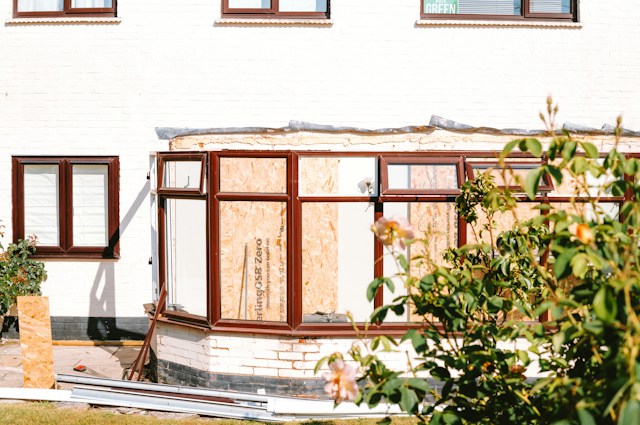
Delaying summer storm damage repairs into fall can allow minor roof, siding, gutter, and moisture problems to spread into more extensive damage. Addressing storm damage before winter can reduce repair costs, simplify insurance documentation, and protect the home from freeze-thaw conditions.
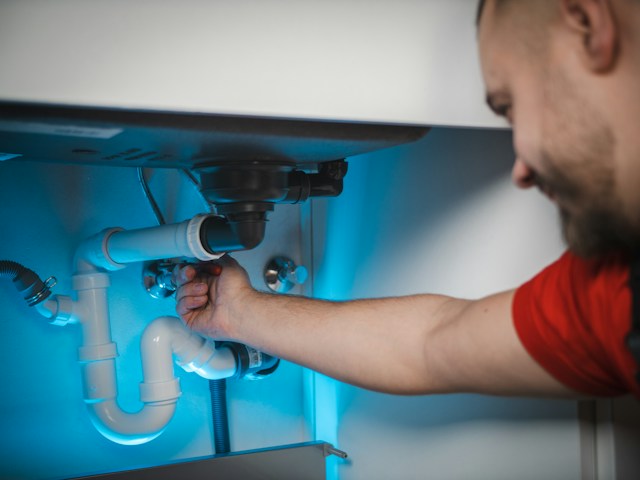
Michigan’s first freeze can expose hidden plumbing and foundation vulnerabilities, including uninsulated pipes, drainage problems, and existing cracks. Preparing these areas before temperatures drop can help prevent burst pipes, moisture intrusion, and costly winter damage.
.jpg)
A fall home inspection can uncover roof, gutter, foundation, plumbing, attic, and wildlife issues before Michigan’s winter weather makes them worse. Addressing small problems before freezing temperatures arrive can help prevent water damage, frozen pipes, structural concerns, and costly repairs.
