
.png)
Michigan homes are especially vulnerable to wildlife intrusions during the summer months as raccoons, squirrels, and possums seek shelter and food. These animals can infiltrate attics, crawl spaces, and basements, causing damage to insulation, wiring, and HVAC systems while leaving behind hazardous waste. Signs of their presence include unusual noises, foul odors, and visible chewing or nesting materials. Prompt professional removal and remediation are essential to prevent costly repairs and health risks.
As temperatures rise across Michigan and homeowners fire up their grills, clean out garages, and enjoy the long summer days, another kind of activity is happening just beneath the surface—or more accurately, above your ceilings and under your floors. Summer is peak season for wildlife intrusions, and some of the most common—and problematic—culprits are raccoons, squirrels, and possums.
Warm weather doesn’t just bring people outside—it also brings animals closer to your home. Michigan’s wildlife population becomes significantly more active during the summer due to longer days, an abundance of food, and favorable breeding conditions. But what begins as curious foraging or a search for shelter can quickly turn into a full-blown home invasion when these creatures enter attics, garages, crawl spaces, and even wall cavities.
What many homeowners don’t realize is how serious the damage from these intruders can be. Once inside, these animals can rip apart insulation, chew through electrical wires, damage HVAC systems, and leave behind urine, feces, and nesting materials that introduce bacteria and foul odors. And because they’re usually most active at night, the problem may go unnoticed until it’s widespread.
If you’re hearing strange scratching sounds overhead, smelling something foul, or noticing chewed materials or insulation, it may be time to investigate further. These aren’t just inconvenient guests—they’re a direct threat to your home’s structure, safety, and indoor air quality.
Raccoons are incredibly resourceful when it comes to finding entry points into homes. They can climb siding, shimmy up downspouts, and leap from nearby tree branches onto rooftops. Once there, they look for any weakness in your home’s exterior. Some of the most common access points include:
It doesn’t take much. A raccoon can pry open a flimsy vent or dig through weakened wood to make a hole large enough to squeeze through. Once inside, they’ll begin nesting—often dragging in leaves, twigs, and other debris to build a home for their young.
Because raccoons are active at night, you may hear them before you see them. Common indicators of a raccoon infestation include:
You may also notice a sudden foul odor coming from the attic or ceiling—often a result of accumulated waste or even a deceased animal.
Raccoons don’t just move in quietly. They rip through insulation, tear open ductwork, chew electrical wires, and contaminate surfaces with their feces and urine. Electrical damage is especially dangerous, as it increases the risk of house fires. HVAC systems can also be compromised if raccoons tear into ducts or leave waste inside ventilation paths.
These issues aren’t just inconvenient—they’re costly. And the longer raccoons remain undisturbed, the worse the damage becomes.
One of the most serious concerns with raccoons isn’t the noise or the property damage—it’s the health hazard they leave behind. Raccoon feces can contain Baylisascaris procyonis, a type of roundworm that’s dangerous to humans and pets. The eggs of this parasite can become airborne if droppings are disturbed, leading to serious neurological symptoms if inhaled or ingested.
That’s why professional remediation is critical. Cleaning up raccoon waste requires specialized protective equipment and containment protocols to prevent cross-contamination or airborne exposure.
Unlike raccoons, squirrels are typically active during the day. You might hear them rustling, scurrying, or even gnawing from the attic or walls as they go about building nests. Summer is a peak nesting season for squirrels in Michigan, and they often seek out warm, dry, elevated spaces to raise their young—making attics, eaves, and soffits ideal targets.
Once inside, squirrels begin shredding insulation, drywall, and even fabric to create a soft, hidden space for their nests. And while they may seem quieter than other intruders, the damage they cause is persistent and expensive.
Squirrels are excellent climbers and can squeeze through openings as small as a golf ball. Most commonly, they gain access through:
Because Township, MI has many mature neighborhoods with established trees, squirrels have plenty of easy pathways into residential rooftops. Once they find a vulnerability, they can chew their way in quickly—sometimes in a matter of hours.
If you suspect squirrels may have moved in, look for these warning signs:
One of the biggest dangers is what you can’t see—especially when squirrels chew through electrical wires hidden in your walls or attic.
Squirrel damage doesn’t stop at torn insulation. One of the most dangerous consequences of a squirrel infestation is the increased risk of electrical fires. Rodents have a natural instinct to chew, and they often target plastic coatings on wires, exposing live copper underneath. This can lead to short circuits, sparks, and in the worst-case scenario, attic fires that spread quickly and cause devastating losses.
According to the National Fire Protection Association, rodent-related electrical damage is a real and growing threat, particularly in homes where intrusions go unnoticed for weeks or months.
Possums are solitary, slow-moving, and relatively quiet, which makes it easy for them to go unnoticed for weeks or even months. Unlike squirrels or raccoons, which often seek out attics, possums prefer low, dark, and cool environments like:
They’ll nest in undisturbed areas, often entering through loose vents, foundation gaps, or damaged crawl space doors. If there’s easy access and minimal human activity, a possum will happily settle in.
Though they’re not aggressive by nature, possums bring a variety of health and safety risks with them:
Even a single possum can produce a powerful stench and attract flies or scavengers, especially in warm weather when decomposition happens quickly. Homeowners may first notice a foul odor in the home or vent system without realizing there’s an animal underneath or inside the structure.
Getting rid of the animal is only half the battle. Once a possum has lived in a crawl space or basement, a thorough cleanup is essential. Their waste can harbor bacteria, parasites, and pathogens that pose serious health risks—especially if disturbed without proper safety measures.
Cleanup may involve:
Raccoons, squirrels, and possums may seem like harmless parts of Michigan’s natural landscape, but once they find their way into your home, they become much more than a nuisance. These animals can cause serious damage to your property, compromise your home’s structural integrity, and introduce health hazards through waste, parasites, and contamination.
From chewed wires and torn insulation to foul odors and disease risks, wildlife intrusion is not something to ignore or attempt to handle on your own. Early detection—combined with prompt, professional remediation—can save you thousands in repair costs and prevent long-term damage to your attic, crawl space, or basement.
Whether you live in a wooded area of Rochester, a quiet neighborhood in Township, or a suburban home in Auburn Hills, Michigan homeowners can count on Titus Contracting for expert wildlife damage repair and cleanup. We don’t just fix the damage—we make your home safe, clean, and secure again.
Have signs of an animal intruder? Strange noises, bad smells, or unexplained damage could all point to raccoons, squirrels, or possums taking up residence in your home. Don’t wait for the problem to escalate.
Titus Contracting provides trusted, comprehensive wildlife damage repair in MI, including:
Discover the latest strategies for effective water damage restoration and how our 24/7 emergency response can safeguard your home.
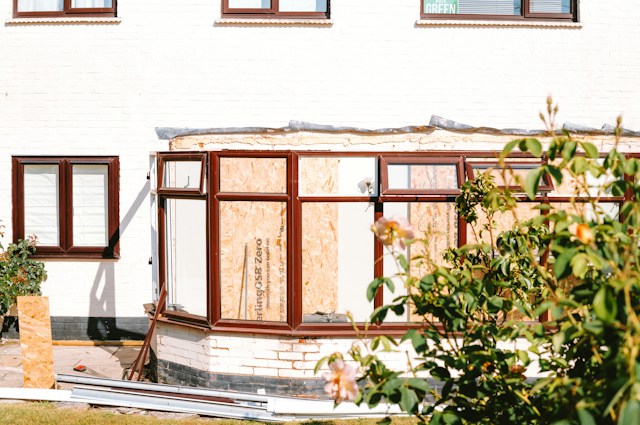
Delaying summer storm damage repairs into fall can allow minor roof, siding, gutter, and moisture problems to spread into more extensive damage. Addressing storm damage before winter can reduce repair costs, simplify insurance documentation, and protect the home from freeze-thaw conditions.
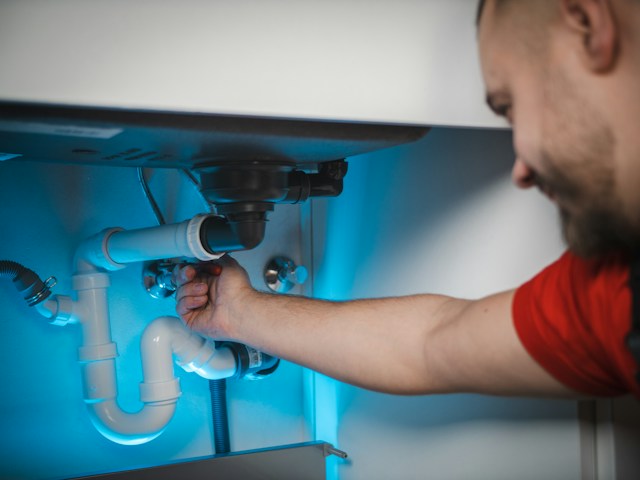
Michigan’s first freeze can expose hidden plumbing and foundation vulnerabilities, including uninsulated pipes, drainage problems, and existing cracks. Preparing these areas before temperatures drop can help prevent burst pipes, moisture intrusion, and costly winter damage.
.jpg)
A fall home inspection can uncover roof, gutter, foundation, plumbing, attic, and wildlife issues before Michigan’s winter weather makes them worse. Addressing small problems before freezing temperatures arrive can help prevent water damage, frozen pipes, structural concerns, and costly repairs.
