
-4.png)
Raccoons often return to the same attic they’ve previously invaded, especially in late summer and early fall when they seek warm denning sites. Listen for heavy nighttime noises, check for new insulation damage, foul odors, and droppings clustered in old nesting areas. Inspect vents, soffits, and rooflines for re-opened entry points and consider professional removal and repairs to prevent health risks and structural damage. Early detection and thorough remediation keep your home raccoon-free.
You thought they were gone. You patched the hole. Maybe you even replaced the insulation. But now you’re hearing strange sounds again—scraping, thumping, or maybe even the unmistakable sound of something heavy shifting around overhead. If this scenario feels familiar, you’re not alone. Raccoons are back, and for many Michigan homeowners, these resourceful intruders return year after year—often to the same attic they previously invaded.
Raccoons are among the most intelligent and determined wildlife species when it comes to nesting. Once they’ve identified a warm, dry, and quiet space—like your attic—they remember it. Female raccoons especially are known to return to former nesting spots to raise a new litter, often entering through previously compromised or poorly repaired entry points. Add the comfort of insulation, shelter from predators, and access to nearby food sources like trash bins or pet food, and your home becomes a five-star raccoon resort.
Late summer and early fall are prime seasons for repeat raccoon activity. As temperatures begin to drop and daylight shortens, raccoons instinctively search for winter denning sites. Unfortunately, attics provide everything they need to hunker down—especially if they’ve used your home in the past. And while it may seem harmless at first, having a raccoon (or several) in your attic can lead to severe insulation damage, health risks, structural rot, and mold contamination.
That’s why if you’ve ever dealt with a raccoon in your attic, it's essential to recognize the signs of a return visit early. Acting quickly can save you from thousands of dollars in repairs—and the stress of cleaning up after yet another unwanted guest.
If you’ve ever had raccoons in your attic before, you know how disruptive—and expensive—they can be. What many homeowners don’t realize is that raccoons often come back, especially if previous repairs weren’t thorough or if remnants of their old nesting area were left behind. Once a raccoon has marked your attic as a safe den, it’s likely to return—and bring friends.
One of the earliest and most obvious signs of a raccoon re-infestation is the sound of movement overhead after dark. Raccoons are nocturnal and typically become active at night as they move around or leave and return from foraging.
Unlike mice or squirrels, raccoons are larger and much heavier. You may hear:
These sounds tend to come in bursts and may be especially noticeable during the early evening or pre-dawn hours. If it sounds like something big is pacing above your ceiling—it probably is.
Raccoons don’t just make noise—they also leave behind strong odors. If you smell a persistent, ammonia-like scent coming from the attic, it could be the result of:
Over time, this odor can seep through ceilings and ventilation systems, affecting your indoor air quality and creating a serious health concern.
If raccoons have been in your attic before, there’s a good chance they left a trail—and they’re likely to reuse or expand their old nesting sites.
Signs of insulation damage include:
Fresh damage might look similar to what you saw during the last visit—but worse. If you’ve previously had insulation replaced or patched, check for new compression or disturbed areas.
Repeat intrusions often happen through the same weak spots raccoons have exploited before—especially if repairs were cosmetic or temporary.
Check for:
Raccoons have an incredible memory and will return to a familiar entry point if they sense it’s still vulnerable. They’ve even been known to rip off new vent covers or force their way through caulked patches if they’ve gained access before.
Raccoon droppings are larger than those of squirrels, mice, or rats, and they’re usually found in clusters in the same spot—often the same place used during previous infestations.
In addition to feces, you may notice:
If you’ve cleaned these areas before and they’ve reappeared—or worsened—chances are your attic has another unwanted guest.
If you've dealt with raccoons in your attic before, you already know the frustration that comes with the noise, mess, and smell. But the reality is, a second or third visit from raccoons can be far more damaging—especially if the original problem wasn’t fully addressed the first time. Each return brings compounding consequences that affect not just your home’s structure, but also your family’s health and safety.
Raccoons don’t just pass through your attic—they settle in. And in the process, they rip, tear, and burrow through the materials that keep your home insulated and energy efficient.
What may have started as a small area of damage can quickly expand as raccoons return and build on old nests. The longer the infestation goes unaddressed, the more extensive the repairs will need to be.
Raccoons are not just destructive—they’re also known carriers of multiple diseases that pose serious health threats to humans and pets.
These include:
Even after raccoons leave, their urine and feces remain in insulation, floor joists, and other porous materials—potentially contaminating the air you breathe. If you’ve noticed foul smells or increased allergy-like symptoms, this may be the reason.
One of the most dangerous outcomes of a raccoon infestation is their tendency to chew on electrical wiring. Whether from curiosity, nesting behavior, or dental health instincts, raccoons can strip insulation off wires and expose live conductors.
The consequences?
Because attics often house major electrical runs, this kind of damage can be extensive—and invisible until it’s too late.
Raccoons don't use litter boxes. They create latrines—dedicated spots for relieving themselves, often directly onto insulation or wood framing. Combined with urine saturation, this creates a moist, organic-rich environment that’s perfect for mold growth.
Left untreated, this can result in:
The longer this goes unresolved, the greater the risk to both your home’s integrity and your respiratory health.
If you’ve had raccoons in your attic once, chances are high they’ll try to return—especially if the attic wasn’t professionally cleaned, sealed, and restored the first time. These clever animals are drawn back by lingering scents, easy entry points, and the memory of a safe, quiet space.
That’s why recognizing the signs of a repeat raccoon infestation early is so important. Heavy nighttime noises, new insulation damage, odors, or droppings are all red flags that shouldn’t be ignored.
The sooner you act, the more you can minimize the damage. And by bringing in professionals with the right tools and training, you not only evict your current unwanted guests—you prevent future ones from moving in again.
Raccoons are clever—but so are we. If you suspect you’re dealing with a repeat raccoon infestation, trust the experts at Titus Contracting to inspect, repair, and restore your attic the right way.
Discover the latest strategies for effective water damage restoration and how our 24/7 emergency response can safeguard your home.
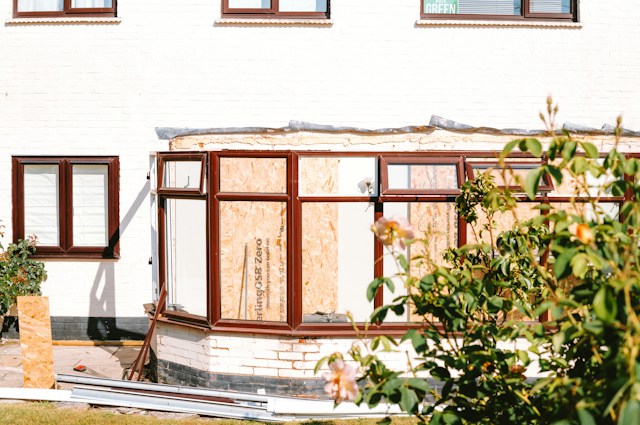
Delaying summer storm damage repairs into fall can allow minor roof, siding, gutter, and moisture problems to spread into more extensive damage. Addressing storm damage before winter can reduce repair costs, simplify insurance documentation, and protect the home from freeze-thaw conditions.
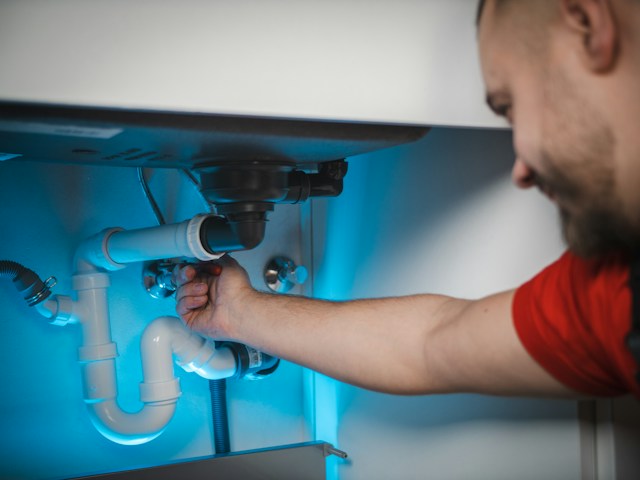
Michigan’s first freeze can expose hidden plumbing and foundation vulnerabilities, including uninsulated pipes, drainage problems, and existing cracks. Preparing these areas before temperatures drop can help prevent burst pipes, moisture intrusion, and costly winter damage.
.jpg)
A fall home inspection can uncover roof, gutter, foundation, plumbing, attic, and wildlife issues before Michigan’s winter weather makes them worse. Addressing small problems before freezing temperatures arrive can help prevent water damage, frozen pipes, structural concerns, and costly repairs.
