
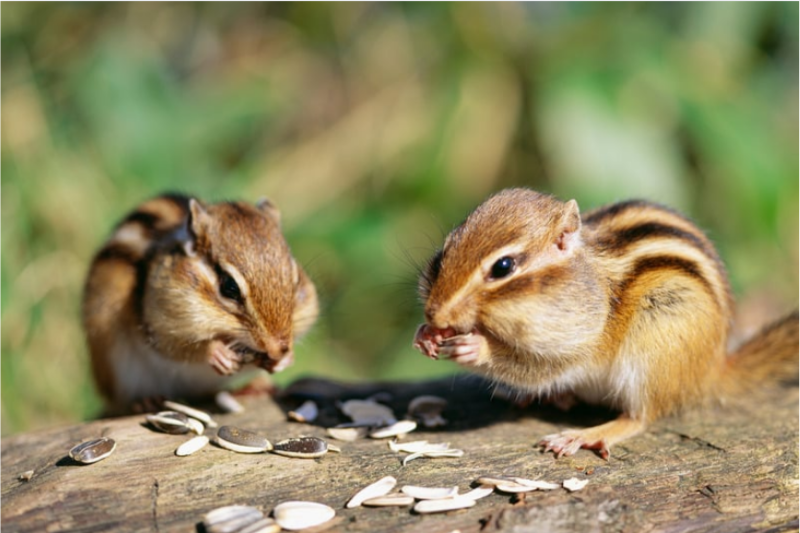
Michigan’s frigid February weather drives raccoons and squirrels to seek warm, insulated shelter in attics where food is scarce and nesting season begins. Once inside, they tear apart insulation, contaminate surfaces with waste, and create fire hazards by chewing wiring. Early intervention is crucial to stop structural damage, prevent health risks, and keep wildlife from returning.
February in Michigan brings a particular kind of stillness. Snow settles across rooftops, daylight hours are short, and nighttime temperatures dip into the single digits. While homeowners stay warm inside, wildlife across the state is desperately searching for shelter. Raccoons and squirrels—two of the most common attic invaders—are especially active this time of year. The cold, the hunger, and the instinct to nest all converge in late winter, turning Michigan attics into prime “real estate” for wildlife.
Most homeowners don’t realize anything is happening until they hear scratching, thumping, chattering, or the unmistakable sound of movement overhead. By the time these noises begin, raccoons or squirrels may have already found a way in, built a nest, and begun settling into the space. Attics offer exactly what they need in February: warmth, dryness, safety, and insulation that mimics the materials they would use outdoors. And because entry points are often small, hidden, or created by winter damage, the intrusion can go unnoticed for days or even weeks.
February routinely brings Michigan’s harshest temperatures. With wind chills, ice storms, and long stretches of subzero nights, wildlife faces extreme survival challenges. Raccoons and squirrels burn more energy staying warm during these months, and they instinctively search for insulated spaces to escape the cold.
Your attic, warmed by the heat rising from your living spaces, becomes one of the most attractive shelters available. It’s wind-free, elevated, and far more comfortable than any hollow tree or outdoor den they could find in the wild.
Food scarcity is another major motivator. By late winter, natural food supplies have dwindled, snow covers much of the landscape, and animals must work harder to find anything edible. This increased exploration often brings wildlife closer to homes, where scents of food, warmth, and safety linger.
Attics offer a perfect imitation of a natural den:
Late winter is also prime maternity season. Both raccoons and squirrels begin preparing for or entering birth cycles in February. Pregnant females are especially determined to find a safe, secure, enclosed space where they can give birth and nurse their young.
An attic checks every box:
Michigan winters take a toll on roofs and exterior structures. Ice dams cause water to seep under shingles, heavy snow puts pressure on soffits, and freeze–thaw cycles weaken wood and trim. These small vulnerabilities become ideal entry points for determined wildlife.
Raccoons and squirrels are remarkably skilled at finding weak spots:
Some of the most common access points are already built into the home:
Trees become direct access ramps to your roof. Branches hanging over or near your home serve as highways for squirrels and raccoons, giving them easy access to vents, shingles, gutters, and roof edges.
When branches extend toward the roofline, animals can:
Attics give wildlife everything they need to build a warm, protected nest. Insulation becomes their first target because it’s soft, abundant, and easy to tear apart. Within hours, you may see entire sections of insulation ripped away or rolled into piles for bedding.
But the destruction doesn’t stop there. Raccoons and squirrels instinctively gnaw on almost anything:
Their chewing habits can cause thousands of dollars in damage and compromise the home’s safety.
One of the first signs homeowners notice is noise. Attic activity tends to happen when the house is quiet, making it even more noticeable in the early morning or evening.
Common sounds include:
Raccoons, being larger, create louder thuds, while squirrels move quickly and repeatedly across beams. Activity increases at dawn and dusk because these animals are crepuscular—most active during low-light hours.
Wildlife waste is not just unpleasant—it poses serious health risks. Raccoon droppings can contain raccoon roundworm, a parasite dangerous to humans. Squirrel droppings may carry bacteria and can foster mold growth. Urine accumulation creates strong ammonia odors that travel through vents and ceilings.
Contamination spreads easily:
Histoplasmosis, bacterial infections, and respiratory issues are common concerns linked to wildlife-contaminated attics.
Squirrels and raccoons are notorious for chewing on electrical wiring to keep their teeth sharp. This exposes bare wires, increasing the risk of electrical shorts and attic fires. Nesting materials—paper, insulation, leaves—can clog ventilation areas, reducing airflow and creating heat buildup.
Combine this with any pre-existing water intrusion from winter weather, and the structure can weaken dramatically. Over time, a wildlife infestation becomes both a safety hazard and a structural liability.
Comprehensive Attic Inspection and Risk Assessment
We begin with a top-to-bottom evaluation of your attic. This includes:
Wildlife waste is extremely hazardous, so our team uses specialized equipment and strict safety protocols.
The goal is to eliminate biohazards, odors, and airborne contaminants while restoring a healthy indoor environment.
Attic repairs aren’t just aesthetic—they’re essential for restoring safety, efficiency, and proper airflow.
We repair or replace:
Cleanup alone isn’t enough—if you don’t stop wildlife from re-entering, the cycle repeats. That’s why we finish every job with thorough exclusion work.
This includes:
We also offer preventative recommendations, such as trimming nearby trees, upgrading vent screens, and addressing winter-related structural vulnerabilities.
February creates the perfect storm for attic intrusions. Harsh cold, limited food, and nesting season push raccoons and squirrels to find the warmest, safest shelter they can—and your attic often fits the bill. By the time homeowners hear the scratching, rolling, or thumping overhead, wildlife may have already built nests, contaminated insulation, and caused structural or electrical damage.
Taking action quickly is essential. Prompt professional cleanup prevents biohazards from spreading, stops electrical risks from worsening, and restores the attic before long-term damage sets in. A complete restoration paired with wildlife exclusion not only protects your home today but prevents future invasions from happening again.
Wildlife inside your attic is far more than a disturbance—it’s a threat to your home’s structure and your family’s health. When raccoons or squirrels move in, our team responds fast to remove contamination, repair the damage, and secure your home from future intrusions.
Titus Restoration
📞 (586) 371-5144
📍 72755 Van Dyke Rd, Bruce Township, MI 48065
🌐 https://titusrestore.com/
Discover the latest strategies for effective water damage restoration and how our 24/7 emergency response can safeguard your home.
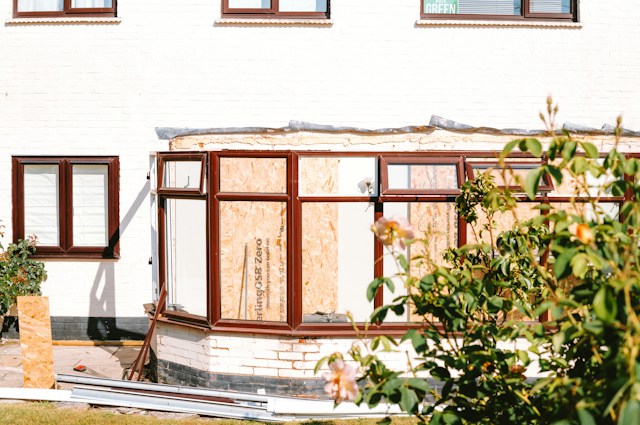
Delaying summer storm damage repairs into fall can allow minor roof, siding, gutter, and moisture problems to spread into more extensive damage. Addressing storm damage before winter can reduce repair costs, simplify insurance documentation, and protect the home from freeze-thaw conditions.
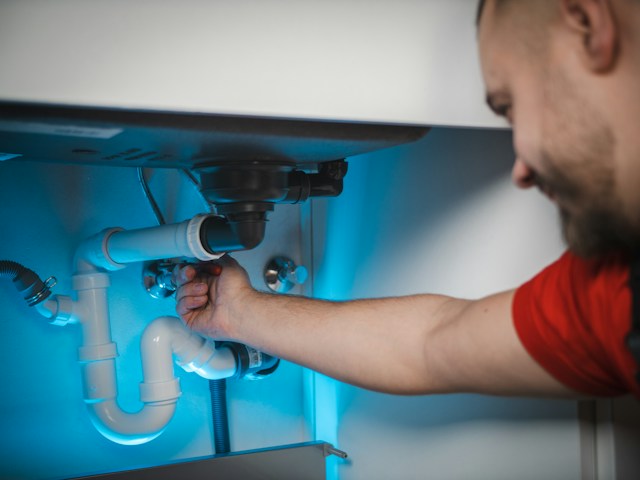
Michigan’s first freeze can expose hidden plumbing and foundation vulnerabilities, including uninsulated pipes, drainage problems, and existing cracks. Preparing these areas before temperatures drop can help prevent burst pipes, moisture intrusion, and costly winter damage.
.jpg)
A fall home inspection can uncover roof, gutter, foundation, plumbing, attic, and wildlife issues before Michigan’s winter weather makes them worse. Addressing small problems before freezing temperatures arrive can help prevent water damage, frozen pipes, structural concerns, and costly repairs.
