

Possums living in crawlspaces can cause far more than nuisance wildlife problems by damaging vapor barriers, contaminating insulation, and creating conditions that promote mold growth. Once moisture levels rise beneath a home, structural materials, indoor air quality, and energy efficiency can all be affected. Professional cleanup, mold remediation, vapor barrier replacement, and exclusion services are often necessary to fully resolve the issue and prevent future damage.
Most Michigan homeowners don't think much about what's happening underneath their home. The crawlspace is out of sight, and as long as nothing seems wrong upstairs, it stays out of mind. That's exactly what makes possum damage so costly. By the time you notice something off, the problem has usually been building for weeks or months.
Possums are more common in Oakland and Macomb County than most people realize, and crawlspaces are one of their favorite places to set up camp. They're quiet, low to the ground, and easy to miss during a routine walk-around. A possum living under your home isn't just a nuisance. It's the beginning of a chain reaction that runs from moisture intrusion straight to mold growth, and the structural damage that follows.
Possums are opportunistic. They're not digging elaborate burrows or hunting for specific resources. They're looking for the simplest possible solution to two problems: shelter and warmth. A crawlspace checks every box. It's enclosed, dark, protected from wind and predators, and often sits just a few degrees warmer than the outside air because of the heat your home generates above.
They're also less particular than other animals about what the space looks like. Raccoons tend to favor attics. Squirrels want wall voids and attic edges. Possums are happy on the ground, tucked against insulation batts, nesting in whatever debris or vapor barrier material they can pull together.
Michigan winters drive possum activity underground, literally. As temperatures drop in late fall and stay low through February and March, possums become increasingly motivated to find insulated shelter. Crawlspaces under older homes, homes with crawlspace vents, or homes with any gap in the foundation perimeter are especially at risk during this window.
Spring brings a different problem. This is breeding season, and a female possum may use a crawlspace to raise a litter. What started as one animal becomes several, the nesting footprint expands, and damage to insulation and vapor barrier material compounds quickly.
Common entry points include:
The vapor barrier is a polyethylene sheet that covers the soil floor of your crawlspace. Its job is to block ground moisture from evaporating up into the crawlspace air. Soil holds moisture year-round, and without a barrier in place, that moisture rises constantly, saturating the air below your home. Over time, that elevated humidity works its way into wood framing, subfloor material, and insulation.
A properly installed vapor barrier keeps ground moisture where it belongs: in the ground. It's not a glamorous component, but it's one of the most important moisture control systems in your home.
Possums don't respect vapor barriers. They tear through them to create nesting areas, drag sections of the material into piles, burrow underneath it, and saturate it with urine and droppings over the time they're in residence. A barrier that's been occupied for even a few weeks can be shredded, displaced, or so heavily contaminated that it can no longer function.
The damage often looks like this:
Once the vapor barrier is compromised, the crawlspace humidity climbs. Ground moisture evaporates freely into the air below your home, and without any mechanical system to manage it, that moisture has nowhere to go except into the materials around it. Wood framing absorbs it. Insulation loses its effectiveness. And the conditions for mold growth become very favorable, very fast.
Mold doesn't need much to get started. It needs a food source (wood, drywall, insulation facing, organic debris) and sustained moisture. In a crawlspace with a damaged vapor barrier, both are present. Under the right conditions, mold can begin colonizing within 24 to 48 hours of moisture exposure. In a crawlspace that's been occupied for weeks, you're often looking at well-established growth by the time anyone goes down to check.
The mold species most commonly found in crawlspace environments following animal contamination include Aspergillus, Penicillium, and Cladosporium. In more severe cases with prolonged moisture exposure, Stachybotrys (black mold) can develop on the wood framing itself.
Crawlspace mold doesn't stay in the crawlspace. Homes are not airtight, and air from the crawlspace moves upward through the stack effect, the natural air pressure difference between the lower and upper portions of a structure. Mold spores travel with that air movement into the living space above.
The consequences extend beyond air quality:
Possum droppings and urine carry pathogens that pose a genuine health risk to anyone who enters a contaminated crawlspace without proper protection. Leptospirosis is a bacterial infection spread through animal urine that can cause serious illness in humans. Possum feces may also harbor Salmonella and other bacteria. Beyond direct contact, dried droppings can become airborne during disturbance, creating an inhalation risk.
Proper remediation requires respirators rated for biological hazards, disposable protective suits, and gloves and eyewear appropriate for the conditions. It also requires knowing how to handle, bag, and dispose of contaminated materials in a way that doesn't spread the problem.
A lot of homeowners make the mistake of trapping or removing the animal and considering the problem solved. But the animal was a symptom of an access point that still exists, and the damage it caused is still there. A torn vapor barrier continues to allow ground moisture into the crawlspace whether or not a possum is present. Saturated insulation continues to hold moisture and support mold growth. Contaminated framing continues to deteriorate.
Complete resolution of possum crawlspace damage involves:
There's a pattern we see with crawlspace damage that holds true whether the cause is a plumbing leak, a failed sump pump, or an animal intrusion. The damage starts small and stays hidden. The homeowner notices something minor, a smell, a soft spot, a slightly higher utility bill, and assumes it's not serious. By the time it's undeniable, the repair scope has grown considerably.
If something about your home has felt off and you haven't been able to put your finger on it, the crawlspace is often where the answer is.
Possum damage involves multiple interconnected issues, and resolving it properly requires someone who can manage the full scope. At Titus Contracting Group, we handle animal contamination cleanup, vapor barrier removal and replacement, mold testing and remediation, and insulation reinstallation as a complete process. We don't hand off part of the job and leave you to coordinate the rest.
We offer free crawlspace inspections for Michigan homeowners in Oakland and Macomb County, including Shelby Township, Auburn Hills, Rochester, Orion Township, and Oakland Charter Township. If you're noticing odors, soft flooring, or anything else that has you wondering what's happening under your home, give us a call or visit our website to schedule a time.
Discover the latest strategies for effective water damage restoration and how our 24/7 emergency response can safeguard your home.
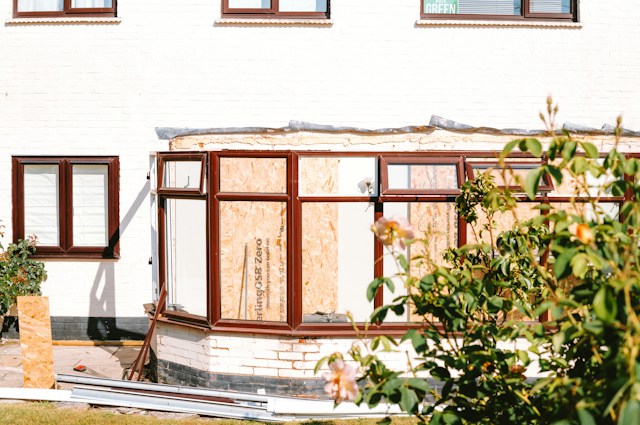
Delaying summer storm damage repairs into fall can allow minor roof, siding, gutter, and moisture problems to spread into more extensive damage. Addressing storm damage before winter can reduce repair costs, simplify insurance documentation, and protect the home from freeze-thaw conditions.
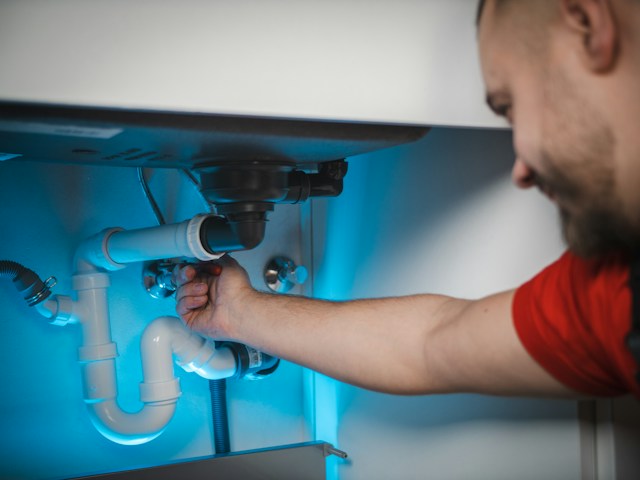
Michigan’s first freeze can expose hidden plumbing and foundation vulnerabilities, including uninsulated pipes, drainage problems, and existing cracks. Preparing these areas before temperatures drop can help prevent burst pipes, moisture intrusion, and costly winter damage.
.jpg)
A fall home inspection can uncover roof, gutter, foundation, plumbing, attic, and wildlife issues before Michigan’s winter weather makes them worse. Addressing small problems before freezing temperatures arrive can help prevent water damage, frozen pipes, structural concerns, and costly repairs.