
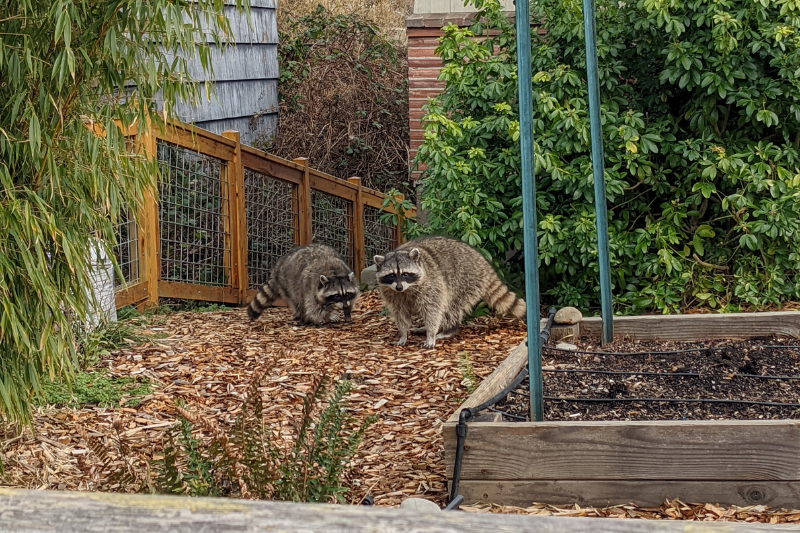
As temperatures drop across Michigan, raccoons and possums seek warmth in attics, crawlspaces, and walls — often leaving behind serious structural and health hazards. Chewed wires, torn insulation, and contaminated air can threaten your home’s safety and efficiency. Titus Contracting provides 24/7 professional wildlife cleanup and damage repair, restoring contaminated areas and sealing entry points to prevent future intrusions. Their expert team helps homeowners reclaim comfort, safety, and peace of mind before winter arrives.
Michigan’s fall season brings crisp air, glowing sunsets, and the rustle of leaves underfoot — but it also brings a wave of unwelcome houseguests. As the temperatures drop and natural food sources become scarce, raccoons, possums, and other small animals start searching for a warm, dry place to spend the colder months. Unfortunately, your attic, crawlspace, or walls might look like the perfect home to them.
These clever creatures don’t need much space to get in. A raccoon can squeeze through a loose soffit, and a possum only needs a small vent opening to gain entry. Once inside, they waste no time making themselves comfortable — tearing apart insulation to build nests, chewing through wires, and leaving behind droppings that contaminate your air. You might not notice the problem right away, but the longer they stay, the more damage they cause.
Beyond the noise and mess, the real risk is hidden: chewed electrical wiring can spark fires, torn insulation drives up energy costs, and animal waste can harbor bacteria or parasites harmful to your family’s health. What starts as a minor nuisance — a scratching sound in the ceiling or a faint odor in the crawlspace — can quickly turn into a costly restoration project.
That’s where Titus Contracting comes in. As Michigan’s trusted 24/7 restoration and animal damage repair team, Titus helps homeowners across Bruce Township, Rochester, Orion Township, Auburn Hills, Oakland Charter Township, and Shelby Township recover from wildlife intrusions safely and efficiently. From cleaning and disinfecting contaminated areas to repairing damaged structures and sealing future entry points, Titus Contracting brings the tools, experience, and dedication needed to restore your home — and your peace of mind.
The most common and unmistakable sign of wildlife activity is noise. Raccoons are nocturnal, meaning they’re most active after dark. You may hear scratching, thumping, or scurrying sounds above your ceiling or behind walls — especially in quiet evening hours. Possums, being slower movers, might create heavy, dragging noises as they shuffle through insulation or along ductwork. If the sounds seem concentrated in one area of the house, that’s often where they’ve built their nest.
Wildlife may go unseen, but they’re rarely undetected by smell. A strong, musty, or ammonia-like odor coming from your attic or crawlspace often indicates accumulated animal waste. Over time, these droppings saturate insulation and wood surfaces, spreading bacteria and allergens through your home’s air. The longer the animals remain, the stronger — and more hazardous — the smell becomes.
Raccoons and possums are resourceful and destructive nest builders. They often tear apart insulation to make bedding and chew through air ducts while moving through tight spaces. Electrical wiring is another favorite target — and one of the most dangerous. Frayed or exposed wires not only interrupt power but also pose a serious fire hazard. If you notice temperature fluctuations in your home or higher energy bills, damaged insulation or ducts may be to blame.
Dark yellow or brown stains on your ceiling or upper walls may signal urine soaking through attic insulation. Over time, moisture from animal waste can cause drywall damage, peeling paint, and lingering odor. These stains can appear weeks after the infestation begins, indicating the contamination has already spread far beyond the surface.
Raccoons and possums are surprisingly strong climbers. They’ll use nearby branches, siding, or drainpipes to reach your roof and force their way in through weak spots. Inspect for bent soffits, torn vent screens, lifted shingles, or damaged fascia boards — all common entry points. Even a small gap can provide an open invitation for a determined animal seeking warmth.
Finally, take a look around the exterior of your home after a rainfall or light snowfall. Small paw prints, claw marks, or disturbed soil near your foundation or vents can be telltale signs that wildlife is coming and going. Possums, in particular, often leave tracks near crawlspace access points, while raccoons may leave muddy prints on siding or gutters.
In Michigan, wildlife removal and relocation are regulated to ensure animals are handled safely and humanely. Licensed specialists follow strict protocols to trap, remove, and relocate animals in compliance with state laws. This process not only protects you and your property but also ensures that the animals are not harmed or improperly displaced.
Professional wildlife control teams:
This thorough approach prevents the frustrating cycle of reentry — a common issue when animals are trapped without addressing how they got in.
Once the animals are safely removed, the next critical step is sanitization and restoration. Raccoon and possum droppings can contaminate insulation, drywall, and ductwork, spreading bacteria and allergens through the home’s air. Without professional cleaning, these contaminants can linger long after the wildlife is gone.
A complete post-removal restoration includes:
These steps are essential for protecting both your home and your health — especially if the infestation occurred in living or HVAC-accessible areas.
Wildlife may seem small, but the destruction they leave behind is anything but. Raccoons and possums can rip apart insulation, damage HVAC systems, and leave behind hazardous droppings that contaminate your home’s air. Titus Contracting addresses both the visible and hidden damage with precision and care.
By combining industrial-grade cleaning methods with careful restoration, Titus turns damaged spaces back into clean, functional parts of your home.
Once repairs are complete, prevention becomes the priority. Titus Contracting doesn’t just restore your home — we fortify it against future animal intrusions.
These measures ensure that once wildlife is gone — it stays gone.
Titus Contracting is known throughout Southeast Michigan for more than our results — we’re known for our honesty, communication, and reliability during stressful situations. We understand that animal damage can be unsettling, so we make every step clear and straightforward.
At Titus Contracting, transparency builds trust — and trust builds lasting relationships. Our mission is simple: to restore your home’s safety, comfort, and peace of mind after wildlife intrusion.
As Michigan’s crisp fall air settles in, raccoons and possums begin preparing for the harsh months ahead — but your home should never become their shelter. These curious creatures may be looking for warmth and protection, but once inside, they bring damage, contamination, and serious safety risks that only grow worse as temperatures drop.
Taking early action is the best defense. Addressing wildlife intrusion before winter prevents costly structural repairs, eliminates health hazards, and restores comfort to your living space. The sooner the damage is handled, the easier and more affordable the cleanup — and the better your home will be protected when the snow and ice arrive.
That’s where Titus Contracting comes in. With a reputation for professionalism, compassion, and unmatched expertise, our team helps homeowners across Southeast Michigan recover quickly and completely after animal intrusions. From the first inspection to full restoration and prevention, we combine advanced equipment with genuine care — ensuring your attic, crawlspace, and foundation are clean, secure, and ready for winter.
Whether raccoons have torn through your insulation or possums have turned your crawlspace into their hideout, you can count on Titus Contracting to handle it all — 24 hours a day, 7 days a week. We don’t just remove the evidence of damage; we restore your home’s safety, integrity, and peace of mind.
Discover the latest strategies for effective water damage restoration and how our 24/7 emergency response can safeguard your home.
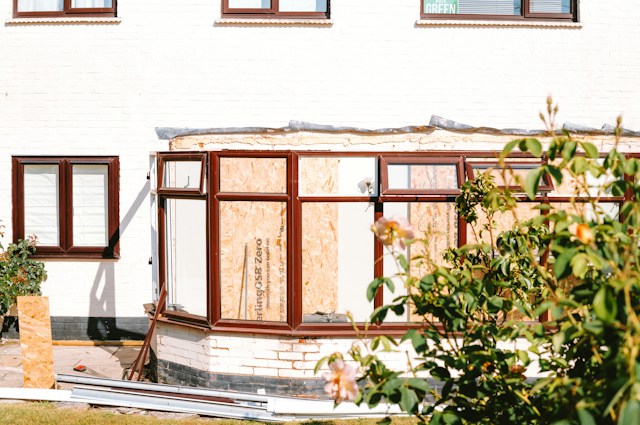
Delaying summer storm damage repairs into fall can allow minor roof, siding, gutter, and moisture problems to spread into more extensive damage. Addressing storm damage before winter can reduce repair costs, simplify insurance documentation, and protect the home from freeze-thaw conditions.
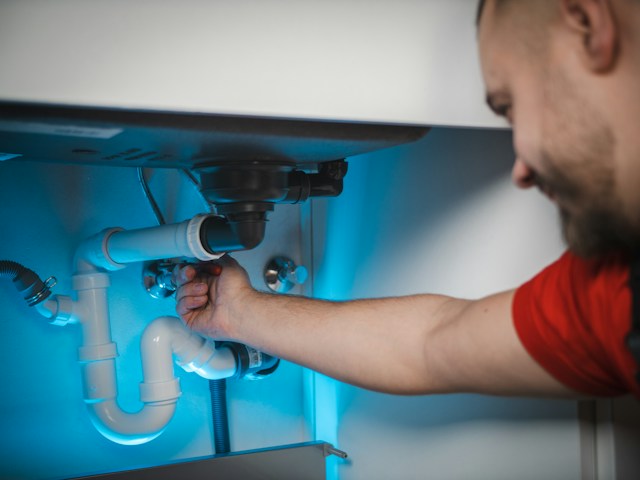
Michigan’s first freeze can expose hidden plumbing and foundation vulnerabilities, including uninsulated pipes, drainage problems, and existing cracks. Preparing these areas before temperatures drop can help prevent burst pipes, moisture intrusion, and costly winter damage.
.jpg)
A fall home inspection can uncover roof, gutter, foundation, plumbing, attic, and wildlife issues before Michigan’s winter weather makes them worse. Addressing small problems before freezing temperatures arrive can help prevent water damage, frozen pipes, structural concerns, and costly repairs.
