
.png)
Squirrels can cause extensive damage long after they’re removed, leaving behind chewed wires, contaminated insulation, and structural issues that threaten safety. Professional repair services go beyond cleanup, addressing hidden hazards, reinforcing weak points, and sealing entryways to prevent reinfestation. With proper restoration and biohazard treatment, your attic can be made safe, clean, and squirrel-proof once again.
If you’ve had squirrels in your attic, you know just how disruptive and persistent they can be. So when the wildlife control team shows up, sets the traps, and finally gets those noisy, destructive critters out of your home—it feels like a win. And it is. But unfortunately, squirrel removal is only the first step.
What many Michigan homeowners don’t realize is that the real damage comes after the animals are gone. Squirrels are natural chewers, diggers, and nest builders. They can do a surprising amount of structural and environmental damage in just a short period of time—especially if they’ve been nesting in your attic for weeks or months undetected.
From chewed electrical wires and urine-soaked insulation to damaged soffits, trampled air ducts, and even hidden droppings inside your walls, squirrel infestations often leave a trail of destruction that’s invisible from the outside—but dangerous and costly on the inside.
Squirrel damage doesn’t just go away when the animal is gone. It lingers—and if left unaddressed, it can continue to threaten your home and health long after the scratching stops.
That’s why professional squirrel damage repair services are essential. At Titus Contracting, we specialize in post-wildlife cleanup and structural repair. Whether you’ve just had squirrels removed or you’re dealing with years of unnoticed damage, our team can inspect, restore, and wildlife-proof your home from top to bottom.
Once the squirrels are gone, it’s time to answer the big question: what did they leave behind? Unfortunately, most wildlife damage occurs out of sight—behind walls, above ceilings, and beneath layers of insulation—making a professional inspection essential.
At Titus Contracting, we begin every squirrel damage repair service with a thorough attic and exterior evaluation to uncover the full scope of contamination and structural impact.
To catch hidden damage, we may use:
One of the most common and costly problems after a squirrel infestation is contaminated attic insulation. Squirrels tear apart insulation to build nests, compress it while nesting, and soil it with urine, feces, and parasites. Over time, this doesn’t just ruin insulation—it turns your attic into a biohazard zone.
Many homeowners assume they can lay fresh insulation over the soiled stuff and call it a day. Unfortunately, this only traps moisture, odors, and bacteria beneath the surface—and creates the perfect environment for mold, mildew, and re-infestation.
At Titus Contracting, we always recommend complete removal of any insulation contaminated by wildlife. This ensures:
Once the space is clean, we install high-performance insulation tailored to your home’s needs:
Getting the squirrels out is step one. But if you don’t seal the holes they used to get in, you’re essentially leaving the door wide open for the next group.
Squirrels are territorial and habitual—once they’ve made your attic home, they’re highly likely to return, especially if scent trails, chewed wood, or gaps remain. That’s why professional exclusion services are just as important as removal.
At Titus Contracting, we go beyond basic patchwork. Our exclusion work is designed for durability, animal resistance, and long-term protection.
Even after sealing visible holes, squirrels can smell past nesting sites and re-entry points. If those scent trails are still present:
When squirrels move into your attic, they’re not just noisy—they’re destructive. From gnawed beams to shredded air ducts, they often leave behind a trail of structural and mechanical damage that needs professional attention.
Removing squirrels from your attic doesn’t automatically restore a safe living environment. In fact, once the animals are gone, the biohazards they leave behind can pose serious health risks if not professionally cleaned.
Squirrel nests are more than just a bundle of insulation and twigs. They're often teeming with:
Without proper sanitation, this contamination can:
Our team follows strict safety and sanitation protocols to ensure your attic is not only clean, but truly safe for re-occupancy.
We provide:
Getting squirrels out of your attic is only the first step in reclaiming your home. What comes next—the repair, the cleanup, and the prevention—is what truly makes your space safe again.
Too often, homeowners stop at removal, assuming that once the animals are gone, the problem is solved. But squirrels don’t just invade—they tear, chew, soak, nest, and contaminate. And the reality is, DIY patch jobs and surface-level fixes won’t hold up against the next curious squirrel that follows the same scent trail back to your home.
That’s why Titus Contracting takes a full-service approach to squirrel damage repair. We inspect, document, clean, seal, and rebuild—handling every stage with precision, safety, and long-term prevention in mind.
When we’re done, your attic isn’t just clean—it’s squirrel-proofed and structurally sound, ready to protect your home for years to come.
Discover the latest strategies for effective water damage restoration and how our 24/7 emergency response can safeguard your home.
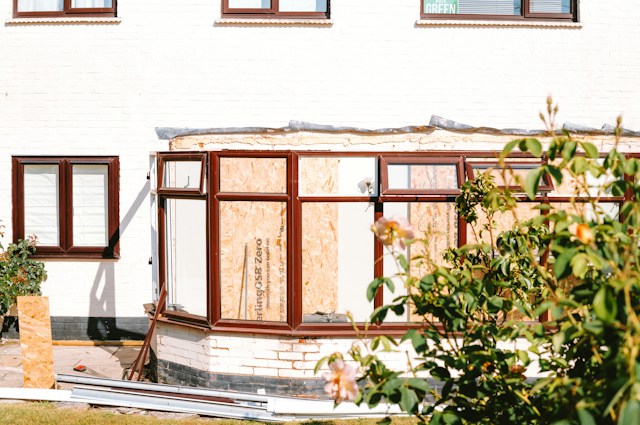
Delaying summer storm damage repairs into fall can allow minor roof, siding, gutter, and moisture problems to spread into more extensive damage. Addressing storm damage before winter can reduce repair costs, simplify insurance documentation, and protect the home from freeze-thaw conditions.
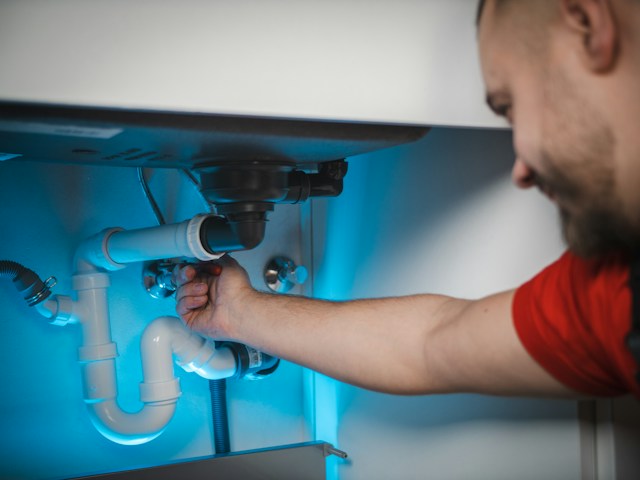
Michigan’s first freeze can expose hidden plumbing and foundation vulnerabilities, including uninsulated pipes, drainage problems, and existing cracks. Preparing these areas before temperatures drop can help prevent burst pipes, moisture intrusion, and costly winter damage.
.jpg)
A fall home inspection can uncover roof, gutter, foundation, plumbing, attic, and wildlife issues before Michigan’s winter weather makes them worse. Addressing small problems before freezing temperatures arrive can help prevent water damage, frozen pipes, structural concerns, and costly repairs.
