
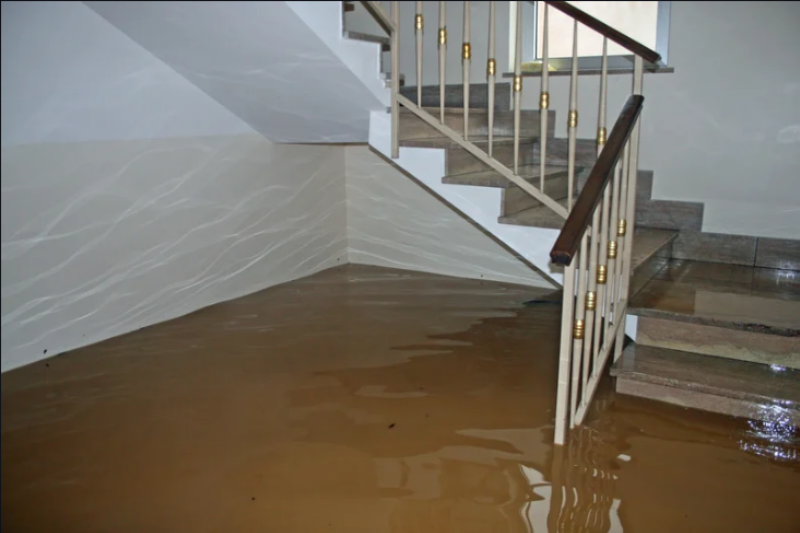
Spring conditions in Michigan create the perfect storm for basement flooding due to snowmelt, heavy rain, and increased pressure around foundation walls. Early warning signs like stains, musty odors, and sump pump issues often indicate moisture problems before visible flooding occurs. Acting quickly to inspect, maintain drainage systems, and address small issues can prevent extensive damage and costly repairs.
Spring in Michigan has a way of arriving all at once. The snow starts melting, the rain picks up, and the ground that's been frozen solid for months suddenly has nowhere to send all that water. For a lot of homeowners, that's when the basement becomes a problem.
Basement flooding during spring isn't just bad luck. It's usually the result of a combination of seasonal pressure points that build up over winter and release all at once. Understanding what's happening and what to watch for can be the difference between catching a problem early and dealing with a much bigger situation after the fact.
Michigan winters put foundation walls and basement floors through repeated stress. As temperatures drop and rise throughout the season, water seeps into small cracks in concrete and masonry, freezes, expands, and then thaws. That cycle widens existing cracks and creates new ones, often without any visible sign until spring moisture finds its way through.
By the time April arrives, a foundation that looked fine in October may have developed new entry points for water. The problem isn't always dramatic. Sometimes it's a hairline crack along a basement wall or a small gap where the floor meets the wall. But even minor openings become significant when hydrostatic pressure builds up outside.
Spring in southeast Michigan rarely eases in gently. Rapid snowmelt combined with April rainfall can saturate the ground quickly, and once the soil reaches capacity, water has to go somewhere. It moves along the path of least resistance, and for many homes, that path leads straight to the basement.
When the ground is still partially frozen below the surface, it can't absorb water the way it normally would. That drives even more moisture toward foundation walls, window wells, and any low-lying entry points around the home's perimeter.
One of the more misunderstood causes of basement flooding is hydrostatic pressure. As water accumulates in saturated soil around a home's foundation, it creates outward and downward pressure against the walls and floor. Over time, that pressure can:
Look along the base of your basement walls and across the floor, especially in corners and along seams. Water stains often appear as:
Efflorescence is the white, chalky or powdery residue that sometimes forms on concrete and masonry surfaces. It happens when water moves through the wall, dissolves minerals in the concrete, and deposits them on the surface as it evaporates. It's harmless on its own, but it's a reliable indicator that water is actively moving through your foundation walls.
Musty Odors Without Visible Moisture
A musty or earthy smell in the basement is one of the earliest signs of a moisture problem, often appearing before any visible water damage is obvious. That odor is typically associated with mold or mildew growth, which can begin within 24 to 48 hours of moisture exposure in the right conditions.
Water that gets into a basement doesn't always stay on the floor. Depending on how it enters and where it travels, you may notice:
Pay attention to how often your sump pump is running. A pump that's cycling constantly during or after rain is working hard to keep up with water intrusion. One that isn't running at all when conditions warrant it may have failed without you knowing. Either situation is worth looking into before the heaviest spring rains arrive.
A sump pump sits in a pit at the lowest point of your basement or crawl space. As groundwater rises around the foundation, it drains into the pit and the pump activates, pushing that water out and away from the home through a discharge line. During heavy spring rain or rapid snowmelt, that cycle can happen continuously for hours or even days.
Without a functioning sump pump, that water has nowhere to go. It backs up in the pit and eventually overflows onto your basement floor, often faster than most homeowners expect.
Before the height of spring rain season, take a few minutes to check your system:
Age and capacity are the two most common sump pump problems. Most pumps have a lifespan of around 7 to 10 years, and many homeowners don't replace them until after a failure has already caused damage. If your pump is approaching or past that range, spring is the right time to have it evaluated.
A pump that's undersized for your home's water volume is another issue. If it's running constantly during moderate rain and still struggling to keep up, it may not have the horsepower to handle a heavy event. A professional assessment can tell you whether your current system is adequate or whether an upgrade makes sense before you need it.
Within the first 24 to 48 hours after water enters a basement, conditions are already developing that go beyond the water itself. Moisture absorbed into drywall, insulation, wood framing, and flooring creates an environment where mold can begin to take hold. Once mold establishes itself, the scope of the restoration work expands significantly.
What starts as an emergency water cleanup can become a mold remediation project if the response is delayed. The materials involved, the time required, and the cost all increase the longer moisture sits untreated.
The water you can see on the floor is only part of the picture. Water that enters a basement travels. It wicks up into wall cavities, soaks into insulation behind finished walls, and saturates subfloor materials above. That hidden moisture is what causes the most lasting damage because it often goes undetected until mold growth, structural softening, or odor makes it impossible to ignore.
Professional restoration includes moisture mapping and thermal imaging to locate water that visual inspection alone would miss. That step is what separates a true restoration from a surface-level dry-out.
Homeowners insurance policies generally require that damage be reported and addressed promptly. When water damage is left unaddressed for an extended period, insurers may question whether the damage resulted from a sudden event or from a long-term condition that wasn't maintained. That distinction can affect coverage.
Documenting damage quickly, contacting your insurer promptly, and working with a restoration company that understands the claims process all strengthen your position. Delays in any of those steps can complicate what should be a straightforward claim.
Michigan spring doesn't give much warning. The rain picks up, the ground saturates, and homes that weren't ready feel it quickly. The good news is that most spring water damage situations are preventable or significantly manageable when they're caught early and addressed the right way.
Titus Contracting Group serves homeowners across Shelby Township, Rochester, Auburn Hills, Orion Township, and the surrounding Michigan communities. Whether you're dealing with active flooding or just want to know if what you're seeing is something to worry about, a free inspection is the right first step.
Discover the latest strategies for effective water damage restoration and how our 24/7 emergency response can safeguard your home.
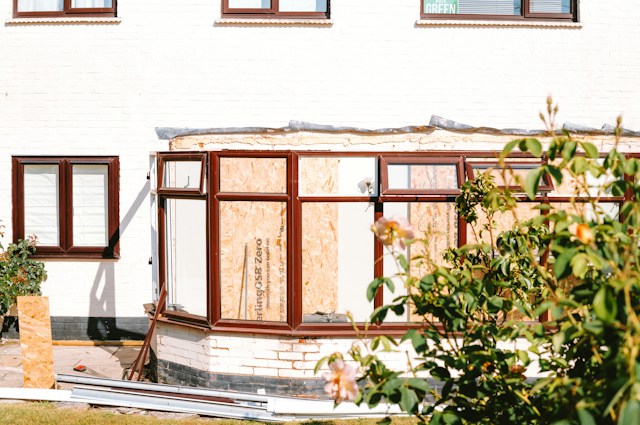
Delaying summer storm damage repairs into fall can allow minor roof, siding, gutter, and moisture problems to spread into more extensive damage. Addressing storm damage before winter can reduce repair costs, simplify insurance documentation, and protect the home from freeze-thaw conditions.
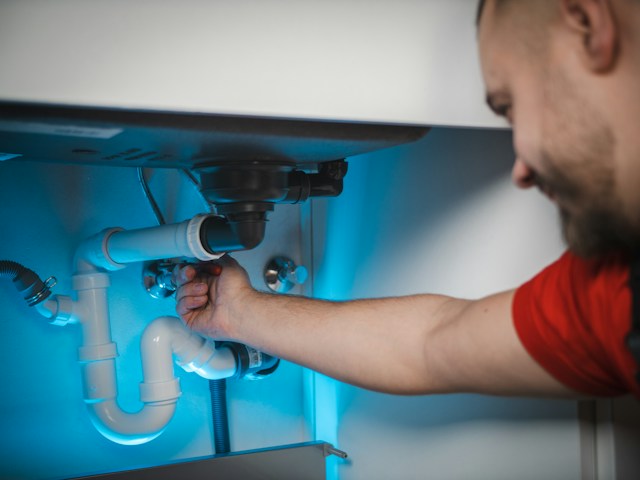
Michigan’s first freeze can expose hidden plumbing and foundation vulnerabilities, including uninsulated pipes, drainage problems, and existing cracks. Preparing these areas before temperatures drop can help prevent burst pipes, moisture intrusion, and costly winter damage.
.jpg)
A fall home inspection can uncover roof, gutter, foundation, plumbing, attic, and wildlife issues before Michigan’s winter weather makes them worse. Addressing small problems before freezing temperatures arrive can help prevent water damage, frozen pipes, structural concerns, and costly repairs.
