
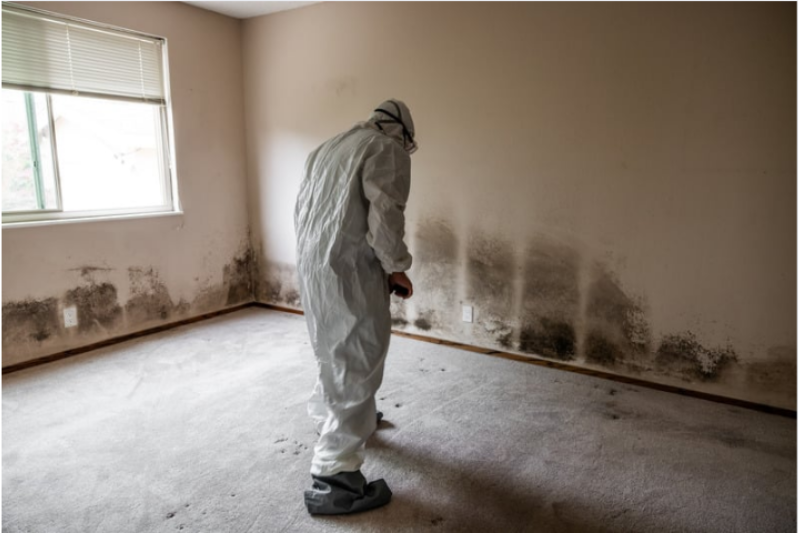
When Michigan homes are sealed tight for winter, trapped humidity can build up and lead to mold, condensation, and structural damage. Moisture collects in hidden spaces like attics, walls, and basements, creating unhealthy air and costly repairs. Controlling indoor humidity, improving ventilation, and addressing leaks early are key to keeping your home safe and dry. With expert remediation and prevention, you can protect both your property and your family’s health through the cold season.
As Michigan’s winter sets in, it’s natural to seal your home tightly against the cold. The wind howls outside, the heater hums steadily, and the windows stay firmly shut to keep the warmth in. But while this cozy scene feels comforting, something else may be happening beneath the surface — your home is struggling to breathe.
When every window, vent, and door is sealed, air circulation slows down. The moisture from cooking, showering, and even breathing begins to accumulate indoors. Without proper airflow, this trapped humidity condenses on cold surfaces — windows, walls, and ceilings — and creates the perfect breeding ground for mold. This is how winter mold growth begins in Michigan homes: quietly, invisibly, and often unchecked until it becomes a serious problem.
Poor ventilation and humidity don’t just create damp spots; they can lead to hidden water damage inside walls and attics. Over time, moisture seeps into insulation, wood framing, and drywall, where mold spores take hold. Because homeowners are less likely to open windows or run ventilation fans during the cold months, these problems can remain unnoticed until spring — when the smell of mold or signs of damage finally appear.
That’s why it’s crucial to keep an eye on indoor air and moisture levels during Michigan’s freezing months. The team at Titus Contracting specializes in identifying and eliminating these hidden winter dangers. From mold remediation in Auburn Hills to humidity control and moisture prevention in Bruce Township, Rochester, and Orion Township, Titus Contracting helps Michigan homeowners protect their homes from the invisible threats that build up when air can’t flow freely.
Winter can mask what’s happening behind your walls, and many homeowners don’t realize how destructive hidden moisture can be until it’s too late. The damage isn’t always visible — it spreads slowly, quietly, and relentlessly through the structure of your home.
When mold and moisture invade your home, it’s not just an inconvenience — it’s a health and safety concern. The spores that quietly grow in walls, basements, and attics can spread fast, impacting your air quality, structure, and well-being. That’s why professional remediation is essential, especially during Michigan’s sealed-up winter months when airflow is limited.
Mold doesn’t always grow where you can see it — in fact, the most dangerous infestations often hide behind drywall, under flooring, or within insulation. Titus Contracting begins with a thorough inspection using advanced moisture meters and infrared imaging to pinpoint hidden moisture pockets and mold colonies.
These tools reveal the extent of the contamination without tearing apart your walls unnecessarily. Once identified, Titus develops a targeted remediation plan to safely remove the mold while addressing the underlying cause of the moisture.
Mold spores spread easily through the air, especially when disturbed during cleaning. To prevent cross-contamination, Titus Contracting creates a containment zone around the affected area using specialized barriers and negative air pressure systems.
High-efficiency HEPA filtration units continuously scrub the air, capturing even microscopic spores before they can drift into clean parts of your home. This ensures your entire indoor environment remains safe and healthy throughout the restoration process.
Once containment is in place, Titus’s team begins meticulous mold removal and sanitization using EPA-approved cleaning agents and industry-standard safety practices. Contaminated materials like drywall, insulation, or carpeting are carefully removed and disposed of, while salvageable surfaces are treated with antimicrobial solutions to stop mold from returning.
The process goes beyond surface cleaning — Titus Contracting ensures every crevice, vent, and structural cavity is thoroughly disinfected. This deep-cleaning approach restores both your home’s cleanliness and your confidence in its safety.
Moisture is the root cause of nearly every mold issue, and removing it is essential for lasting results. Titus Contracting uses industrial-grade air movers, heaters, and dehumidifiers to completely dry affected spaces.
This step restores optimal humidity levels and prevents future mold growth. By monitoring moisture readings in real-time, their team ensures that every affected area — from wall cavities to crawl spaces — is completely dry before reconstruction begins.
After mold removal, Titus doesn’t stop there. They provide structural repairs and preventive improvements to ensure the problem doesn’t come back. This can include:
Their goal is not just to fix the damage but to create a long-term solution that keeps your home dry, healthy, and energy-efficient.
Maintaining the right humidity level inside your home during Michigan’s coldest months is one of the simplest — and most effective — ways to prevent mold and moisture damage. When outdoor temperatures plummet, the air inside your home naturally becomes drier. To compensate, many homeowners increase heat or use humidifiers, which can easily lead to excess indoor humidity if not managed carefully. Too much moisture creates condensation on windows, damp drywall, and hidden mold growth that thrives in closed-up spaces.
Here are essential steps to balance your home’s humidity and keep it healthy all winter long:
Michigan winters can be tough on homes — but when poor ventilation traps humidity, the real danger begins indoors. Hidden leaks, condensation, and insulation issues can silently lead to winter mold growth, structural damage, and unhealthy air. Protect your home and your family’s well-being by addressing moisture early and partnering with experts who understand Michigan’s unique climate challenges.
Whether it’s a damp basement, recurring window condensation, or a persistent musty smell, Titus Contracting has the experience and technology to restore balance and comfort to your home. From mold remediation in Auburn Hills to humidity control and water damage repair in Bruce Township, Rochester, and Orion Township, their team works 24/7 to help Michigan homeowners breathe easier — all year long.
Available 24/7 — Because the air inside your home should be as clean and dry as the snow outside is cold.
Discover the latest strategies for effective water damage restoration and how our 24/7 emergency response can safeguard your home.
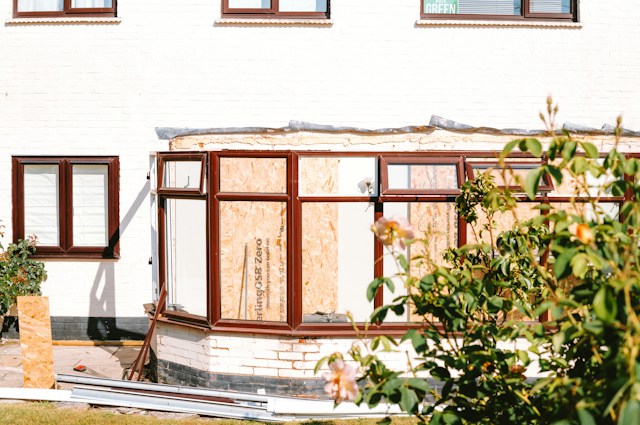
Delaying summer storm damage repairs into fall can allow minor roof, siding, gutter, and moisture problems to spread into more extensive damage. Addressing storm damage before winter can reduce repair costs, simplify insurance documentation, and protect the home from freeze-thaw conditions.
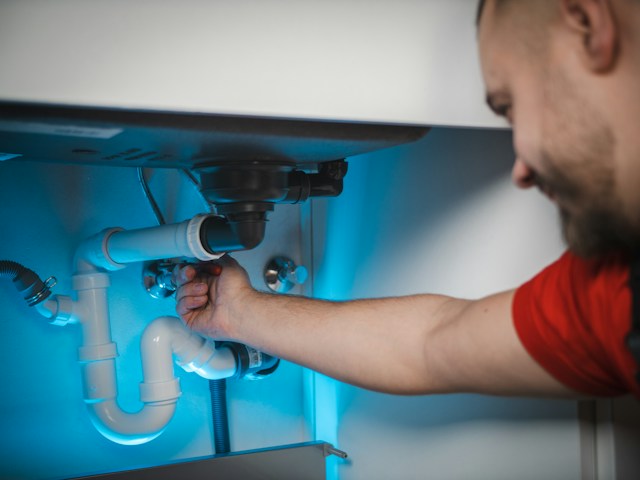
Michigan’s first freeze can expose hidden plumbing and foundation vulnerabilities, including uninsulated pipes, drainage problems, and existing cracks. Preparing these areas before temperatures drop can help prevent burst pipes, moisture intrusion, and costly winter damage.
.jpg)
A fall home inspection can uncover roof, gutter, foundation, plumbing, attic, and wildlife issues before Michigan’s winter weather makes them worse. Addressing small problems before freezing temperatures arrive can help prevent water damage, frozen pipes, structural concerns, and costly repairs.
