

Winter weather can quietly damage roofing, foundations, gutters, and exterior structures through repeated freeze-thaw cycles. As temperatures rise and spring rains arrive, these hidden issues can quickly lead to water intrusion, mold growth, and structural deterioration. Identifying and repairing problems such as foundation cracks, roof damage, drainage failures, and basement moisture early helps protect a home from costly seasonal damage.
Late winter and early spring create one of the most unpredictable periods for homes in Michigan. Snow accumulation, fluctuating temperatures, and repeated freeze-thaw cycles quietly place stress on roofing systems, foundations, gutters, and plumbing. While winter storms may appear to have passed, the structural effects they leave behind often remain hidden beneath snow, ice, and frozen ground.
As temperatures begin to rise and April rains approach, these unnoticed problems can quickly turn into major water intrusion issues. Small cracks expand, drainage systems become overwhelmed, and moisture trapped inside building materials can trigger mold growth and structural deterioration. Addressing winter-related damage before spring storms arrive allows homeowners to protect their property and prevent costly repairs.
A thorough pre-spring inspection can reveal hidden damage that developed during the coldest months of the year. Identifying and repairing these issues early helps ensure the home remains dry, structurally sound, and prepared for heavy seasonal rainfall.
Concrete foundations are strong, but they are not immune to the effects of repeated temperature changes. During winter, water from melting snow or minor precipitation can seep into small pores or cracks in the concrete.
When temperatures drop below freezing, that trapped water expands. The expansion places intense pressure on the surrounding concrete and slowly widens the crack. Each time the cycle repeats, the crack can grow larger.
Over time, this process may lead to:
Common warning signs include:
Addressing foundation cracks early helps prevent:
Ice dams are one of the most common winter-related roofing problems in Michigan. They form when heat escaping from the attic warms the upper portions of a roof, causing snow to melt. As the meltwater flows downward, it reaches the colder edges of the roof where temperatures remain below freezing. The water then refreezes, forming a ridge of ice along the roofline.
Over time, this ridge grows larger and begins trapping water behind it. Because the water has nowhere to drain, it may begin working its way beneath shingles and into the roofing system.
When water backs up under shingles due to ice dams, it can:
After winter, a roof inspection may reveal:
A damaged roof becomes far more vulnerable once seasonal storms arrive. Spring rain can easily find its way into weak spots in shingles, flashing, or roof decking that were compromised during winter.
If these issues are not addressed early, homeowners may experience:
Gutters and downspouts play a critical role in directing rainwater away from the home. During winter, however, these drainage systems often become filled with debris. Leaves from the previous fall, small branches, roofing granules, and ice fragments can accumulate inside gutters.
When snow and ice begin to melt, this buildup can block normal water flow. Instead of draining properly through downspouts, water may become trapped in the gutter system or spill over the sides.
Because gutters are often overlooked during winter months, these blockages may not be discovered until melting begins and drainage problems become visible.
Blocked or damaged drainage systems can cause water to:
Important maintenance steps include:
Winter temperature changes cause many building materials to expand and contract repeatedly. Materials such as wood, vinyl siding, metal flashing, and exterior caulking respond to cold temperatures by shrinking. When warmer temperatures return, they expand again.
Repeated expansion and contraction may lead to:
Even narrow openings along exterior walls can allow rainwater to penetrate behind siding or trim. Once moisture enters the wall cavity, it may remain trapped within insulation or framing materials.
Over time, hidden moisture inside walls can cause several problems:
Key areas to inspect include:
When temperatures begin to rise in late winter and early spring, the frozen ground gradually thaws. At this stage, large volumes of water from melting snow begin moving through the soil at once. If the property has poor drainage or foundation vulnerabilities, this sudden surge of moisture can push water toward the basement walls.
During this period, homes are particularly vulnerable to:
Common warning signs include:
Ignoring early moisture signs can lead to several serious problems, including:
Winter damage often develops quietly, hidden beneath snow, ice, and frozen ground. By the time spring arrives and seasonal rainfall increases, these unnoticed issues can rapidly escalate into serious water damage. Small cracks, clogged gutters, weakened roofing, and basement moisture problems can all create pathways for water intrusion once storms begin.
Taking time to inspect and repair winter damage before April rains arrive can make a significant difference in protecting a home’s structure and indoor environment. Addressing these problems early helps prevent flooding, mold growth, and costly structural repairs while ensuring the home remains safe and comfortable through the changing seasons.
If winter damage has already begun affecting your home, professional help can prevent the situation from getting worse. Titus Restoration provides fast, reliable water damage mitigation and restoration services designed to protect homes from seasonal moisture problems.
Titus Restoration
📞 (586) 371-5144
📧 titusrestores@gmail.com
📍 72755 Van Dyke Rd, Bruce Township, MI 48065
🌐 https://titusrestore.com
Discover the latest strategies for effective water damage restoration and how our 24/7 emergency response can safeguard your home.
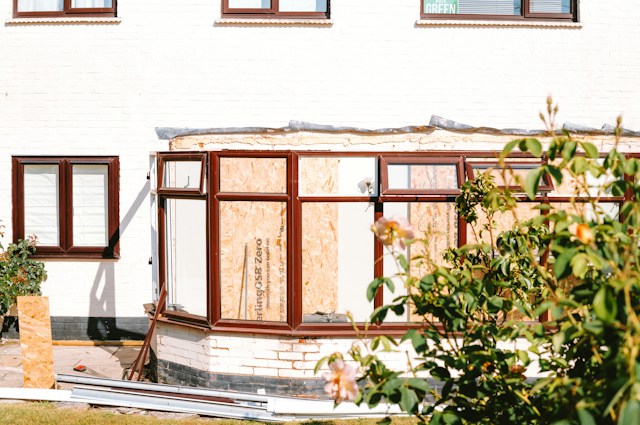
Delaying summer storm damage repairs into fall can allow minor roof, siding, gutter, and moisture problems to spread into more extensive damage. Addressing storm damage before winter can reduce repair costs, simplify insurance documentation, and protect the home from freeze-thaw conditions.
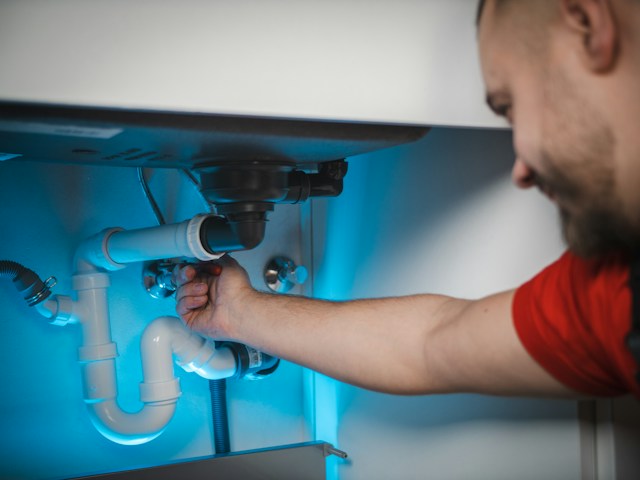
Michigan’s first freeze can expose hidden plumbing and foundation vulnerabilities, including uninsulated pipes, drainage problems, and existing cracks. Preparing these areas before temperatures drop can help prevent burst pipes, moisture intrusion, and costly winter damage.
.jpg)
A fall home inspection can uncover roof, gutter, foundation, plumbing, attic, and wildlife issues before Michigan’s winter weather makes them worse. Addressing small problems before freezing temperatures arrive can help prevent water damage, frozen pipes, structural concerns, and costly repairs.
