

A quick spring inspection can reveal hidden damage from winter and help prevent costly issues during storm season. Checking key areas like the roof, gutters, foundation, and drainage systems allows homeowners to catch problems before severe weather makes them worse. Taking a few proactive steps now can protect your home, reduce repair costs, and improve overall safety.
Michigan spring weather doesn't ease in gradually. One week brings warm temperatures and sunshine, and the next brings severe thunderstorms, high winds, and heavy rain that tests every part of a home's exterior. For homeowners across southeast Michigan, that pattern repeats itself every year from March through July.
What makes spring particularly unforgiving is that it arrives on top of winter. By the time storm season picks up, most homes have already been through months of freeze-thaw cycles, ice, and moisture stress. Issues that developed quietly over winter get exposed quickly when the first serious storm rolls through.
A 10-minute walkthrough of your home's most vulnerable areas right now, before the next weather event, is one of the most practical things you can do as a homeowner this season. You don't need to be a contractor to spot the warning signs. You just need to know what to look for.
You don't need to get on the roof to spot the most common warning signs. A slow walk around the perimeter of your home with a clear line of sight to the roofline will reveal most of what you're looking for. Bring binoculars if you have them.
Look for:
Gutters are easy to overlook because their job seems simple. But a gutter system that isn't functioning properly during heavy spring rain creates problems at multiple points on the home simultaneously.
Check for:
The siding on your home does more than provide curb appeal. It's a weather barrier, and any gap, crack, or compromised section is a potential entry point for wind-driven rain. Spring is a good time to walk the full perimeter of the home and look closely at the siding condition.
Watch for:
The seals around windows and doors are among the first things to degrade after a winter of temperature swings. Failed caulking and deteriorated weatherstripping don't just affect energy efficiency. They create openings for water to enter the wall assembly during heavy rain.
Look for:
The foundation check is one of the most important parts of this walkthrough and one of the most overlooked. Most homeowners don't spend time looking at their foundation unless something obvious has gone wrong. But spring is when the effects of winter stress show up most clearly.
Walk the perimeter of the home at ground level and look for:
Even if your basement looks dry today, the walls and floor may be telling a different story. Look for:
Run a quick test by pouring water directly into the pit and confirming the float activates and the pump engages. Check that the discharge line is clear and directing water well away from the foundation. Listen for any unusual sounds during operation, grinding, struggling, or rapid cycling that stops and starts without fully clearing the pit.
If your home has a crawl space, look for:
Walk the perimeter after a moderate rain if you can. Notice where water is pooling or moving. If the ground is flat or slopes toward the foundation, that water is draining against your basement wall every time it rains. Over a spring season with repeated heavy events, that adds up quickly in terms of hydrostatic pressure and moisture intrusion risk.
Your gutters are only as effective as where the downspouts send the water they collect. Check each downspout termination point and confirm:
Overhanging branches are a storm damage risk that homeowners often underestimate until a branch comes down on a roof or through a window. Before storm season picks up, walk the yard and look up.
Look for:
Beyond the foundation perimeter, look for low areas in the yard where water consistently pools after rain. If you notice water sitting in the same area for more than 24 to 48 hours after rain, the drainage in that zone isn't functioning the way it should. In some cases, regrading or adding a drainage solution addresses the problem. In others, it points to a larger issue with the home's overall water management that warrants a professional look.
Spring storm season in Michigan is not a matter of if but when. The homes that come through it with minimal damage are rarely the ones that got lucky. They're the ones where a homeowner took the time to look before the weather turned and addressed what they found while it was still manageable.
If anything in your walkthrough raises questions or turns up warning signs you aren't sure how to read, Titus Contracting Group is ready to help. Free inspections are available across Michigan, and 24/7 emergency response means that if a storm does cause damage before you've had a chance to address something, help is a phone call away.
Discover the latest strategies for effective water damage restoration and how our 24/7 emergency response can safeguard your home.
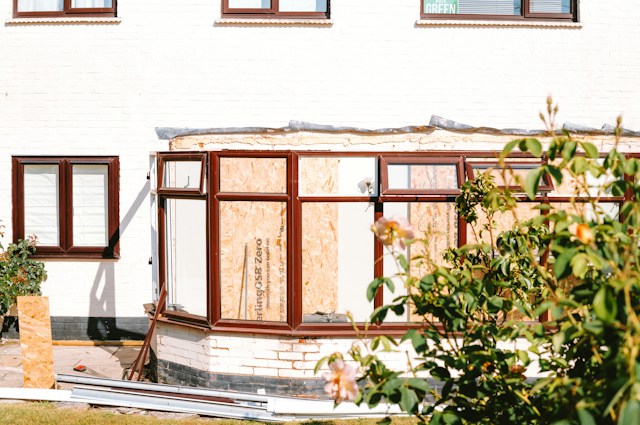
Delaying summer storm damage repairs into fall can allow minor roof, siding, gutter, and moisture problems to spread into more extensive damage. Addressing storm damage before winter can reduce repair costs, simplify insurance documentation, and protect the home from freeze-thaw conditions.
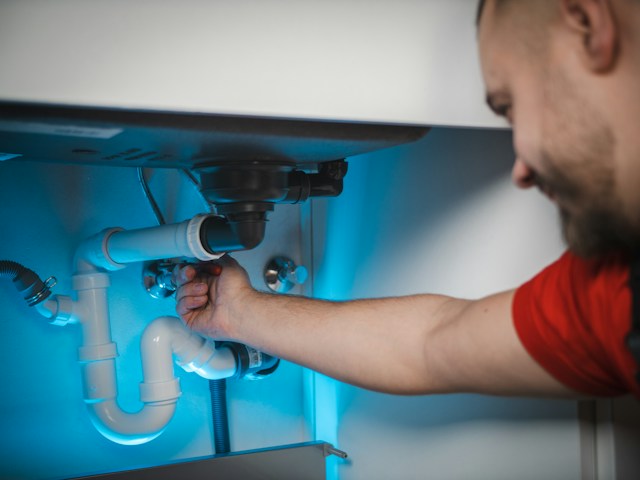
Michigan’s first freeze can expose hidden plumbing and foundation vulnerabilities, including uninsulated pipes, drainage problems, and existing cracks. Preparing these areas before temperatures drop can help prevent burst pipes, moisture intrusion, and costly winter damage.
.jpg)
A fall home inspection can uncover roof, gutter, foundation, plumbing, attic, and wildlife issues before Michigan’s winter weather makes them worse. Addressing small problems before freezing temperatures arrive can help prevent water damage, frozen pipes, structural concerns, and costly repairs.
