
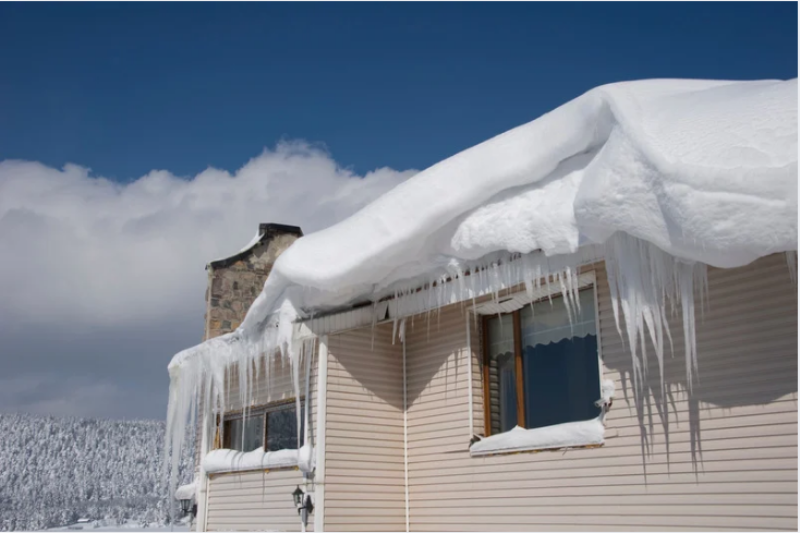
Michigan’s winter freeze–thaw cycle creates hidden pathways for meltwater to slip beneath shingles, into attic spaces, and down interior walls long before any visible signs appear. As moisture accumulates, it can weaken roof decking, soak insulation, damage drywall, and create ideal conditions for mold growth. Early detection and professional mitigation are essential to prevent small, unseen leaks from becoming costly structural and indoor air-quality issues.
Michigan winters have a way of testing every part of a home. The snow piles up, the temperatures drop, and the familiar freeze–thaw cycle starts its quiet work on roofs and exterior walls. While most homeowners worry about slippery driveways or frozen pipes, one of the most serious winter threats unfolds silently overhead. What starts as a layer of soft, powdery snow can turn into a hidden moisture problem that seeps into the structure long before any stains, odors, or visible damage shows up indoors.
The challenge with winter water intrusion is that it rarely announces itself early. Snow can sit on a roof for weeks, warming slightly in the daytime and refreezing overnight. During this cycle, meltwater finds pathways into vulnerable spots—roof edges, gutters, seams, vents, and even tiny gaps no wider than a credit card. Behind the walls, that moisture begins its slow infiltration, building up in insulation, soaking into framing, and settling into pockets where homeowners don’t notice anything is wrong. By the time a stain appears on the ceiling or a musty odor drifts through the hallway, the problem has often been brewing for far longer than anyone realizes.
When temperatures stay below freezing, it’s easy to assume that the snow on a roof is frozen solid. But daytime sun tells a different story. Even in the middle of January, a brief sunny spell can warm the surface of a snowpack enough to spark melting. This meltwater doesn’t disappear—it begins traveling downward toward any weak spot it can find.
The most vulnerable areas of a roof tend to be the places homeowners rarely think about: the eaves, valleys, gutter lines, roof vents, and metal seams. Because the roof edge is the coldest part of the structure, meltwater refreezes there first, building layers of ice that block the natural path of drainage. And with nowhere to go, the water starts pushing its way underneath shingles or past seals in search of a new pathway.
Ice dams are the winter villain responsible for countless cases of hidden water damage in Michigan homes. They form when warm air from the attic escapes upward, warming the roof surface from underneath. The snow above that warm zone begins melting, and the resulting water trickles toward the edge of the roof—until it hits the colder eaves and freezes again.
Over days or weeks, this freeze–thaw cycle builds thick ridges of ice that act like a dam. Water pools behind it, creating a miniature reservoir on the roof. As water pressure increases, it forces its way under the shingles and into the structure. From there, it follows the path of least resistance, slipping into attic insulation, flowing along rafters, and eventually running down interior walls.
The earliest symptoms of winter water damage are incredibly easy to overlook. Most of the activity occurs underneath snow and behind building materials, where insulation and drywall mask the problem. Moisture doesn’t always drip straight down; it often travels through different pockets of the structure before finally appearing inside the home.
Homeowners may sense something feels “off” long before they see clear evidence:
Water trapped beneath shingles eventually reaches the roof decking. Over time, the plywood or OSB sheathing begins to soften, warp, or rot. You may notice sagging rooflines, soft spots you can feel when walking on the roof, or even visible nail pops where moisture has loosened fasteners. What started as a slow leak becomes a genuine structural concern if left unchecked.
Inside the walls, insulation acts like a sponge. Once it becomes saturated, it no longer provides proper thermal protection, making the home feel draftier even with the heat running. Wet insulation also accelerates drywall damage—leading to discoloration, sagging, crumbling edges, or bubbling paint.
Sometimes the aftermath doesn’t show up until spring or early summer. Trim may begin to pull away from walls, baseboards can warp, and seams may separate as the moisture trapped inside evaporates slowly over months.
Many people assume mold can’t grow in the winter, but indoor conditions tell a different story. Mold doesn’t need warm outdoor temperatures—it needs moisture, organic material, and a stable indoor environment. Inside a wall cavity, heated air from the home provides the perfect climate for mold to thrive, even when it’s freezing outside.
The tricky part is that mold often doesn’t become visible until weeks or months after the initial water intrusion. By the time homeowners notice dark spots, persistent odors, or worsening allergies, the colony may already be well established behind the scenes.
Water doesn’t respect boundaries. As it moves downward through walls, it may reach electrical components such as outlets, switches, or junction boxes. Moisture can corrode wiring, damage connections, and increase the risk of short circuits or tripped breakers.
Thermal cameras allow us to identify:
We use both pin and pinless meters to measure the moisture content of:
Winter roof leaks often start at the top, so we evaluate:
The visible damage rarely tells the full story. Water may enter in one spot and appear in another several feet away. Our job is to trace the entire path of intrusion so the root cause is addressed—not just the symptoms.
This is what stops the cycle of recurring leaks, mold, odors, and wall deterioration.
We begin by preventing further damage:
Drying a home after winter infiltration requires targeted equipment and continuous monitoring:
If mold has already begun to grow, we move into full remediation mode:
Once everything is fully dried and sanitized, we start rebuilding:
Snow on the roof may look peaceful from the ground, but it can set off a chain reaction deep inside a home’s structure. Meltwater created by winter’s constant freeze–thaw rhythm finds pathways into the attic, down wall cavities, and through framing—moving quietly for weeks before any visible signs appear. By the time stains show up or a musty odor settles in, the real damage has already taken shape: soaked insulation that no longer protects the home, weakened roof decking, compromised framing, and mold that thrives out of sight in warm interior spaces.
These problems don’t disappear when spring arrives. In fact, winter water intrusion often becomes a bigger issue once temperatures rise and trapped moisture begins spreading further through the structure. Without early detection and professional intervention, what started as a hidden winter leak can turn into expensive repairs, indoor air-quality concerns, and long-term structural deterioration.
When winter weather sends meltwater into places it doesn’t belong, our team at Titus Restoration is ready to step in. We respond fast, diagnose the full scope of the problem, and use industry-leading tools and techniques to uncover hidden moisture, stop the damage, and restore your home safely and completely.
Titus Restoration
📞 (586) 371-5144
📍 72755 Van Dyke Rd, Bruce Township, MI 48065
🌐 https://titusrestore.com/
Discover the latest strategies for effective water damage restoration and how our 24/7 emergency response can safeguard your home.
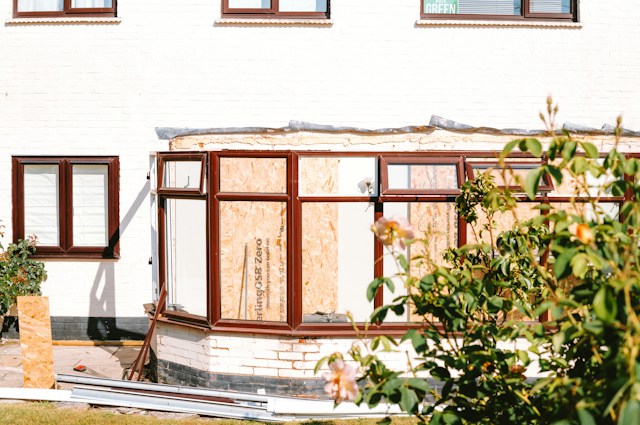
Delaying summer storm damage repairs into fall can allow minor roof, siding, gutter, and moisture problems to spread into more extensive damage. Addressing storm damage before winter can reduce repair costs, simplify insurance documentation, and protect the home from freeze-thaw conditions.
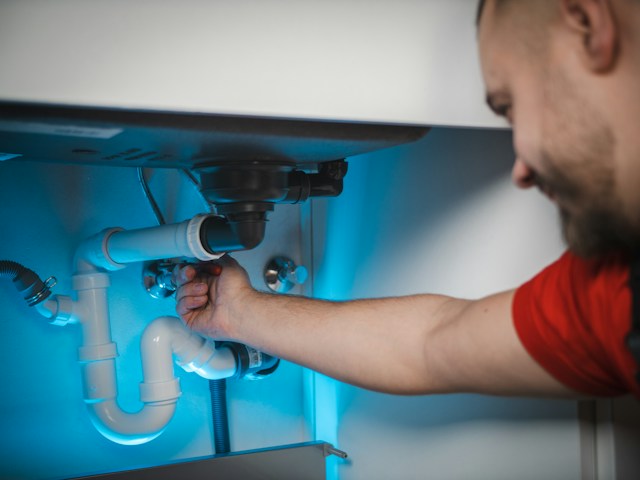
Michigan’s first freeze can expose hidden plumbing and foundation vulnerabilities, including uninsulated pipes, drainage problems, and existing cracks. Preparing these areas before temperatures drop can help prevent burst pipes, moisture intrusion, and costly winter damage.
.jpg)
A fall home inspection can uncover roof, gutter, foundation, plumbing, attic, and wildlife issues before Michigan’s winter weather makes them worse. Addressing small problems before freezing temperatures arrive can help prevent water damage, frozen pipes, structural concerns, and costly repairs.
