
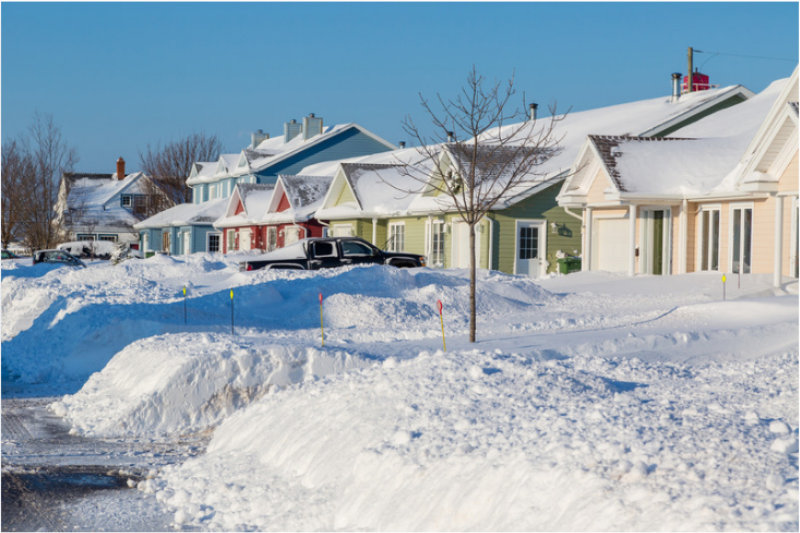
Michigan’s constant freeze-thaw cycles create expanding pressure in concrete and surrounding soil, weakening foundations long before cracks or leaks become visible. As the ground shifts and moisture repeatedly freezes, homes can experience bowing walls, seepage, uneven floors, and long-term structural strain. Early inspection and repair help prevent hidden winter damage from turning into costly foundation failures.
A Michigan winter is rarely predictable. One day brings a bitter freeze, the next brings melting snow, and by evening everything has iced over again. Temperatures bounce up and down around the freezing mark for months at a time. Snow collects around the home, melts during the day, and refreezes at night, repeating this cycle over and over. While it might seem like a normal part of winter living, this pattern of freezing and thawing puts enormous stress on foundations, driveways, patios, and basement walls—often without showing any immediate warning signs.
Foundation problems caused by freeze-thaw cycles are slow, subtle, and silent. The damage begins deep underground, inside concrete pores or soil layers, long before homeowners see the first crack or water stain. By the time visible symptoms appear—leaks, stair-step cracks, bowing walls, or shifting floors—the freeze-thaw cycle has been at work for months. What looks like a sudden issue is usually the result of repeated stress building quietly beneath the surface.
The freeze-thaw process is simple but incredibly destructive. When water freezes, it expands by roughly nine percent. That expansion creates pressure—pressure against concrete, soil, and any small void it occupies. When temperatures rise again, the ice melts and contracts. Over the course of a Michigan winter, this expansion and contraction can happen dozens or even hundreds of times.
Each cycle pushes a little harder:
Michigan’s climate is uniquely harsh on foundations for several reasons:
Water doesn’t need a large entry point to create problems. It collects anywhere it can settle:
Concrete is strong, but it’s not flexible. When water trapped inside tiny pores or cracks freezes, it expands and pushes outward. Over time, this process widens cracks and forces inward pressure on basement walls. Repeated cycles can lead to:
Michigan’s clay-heavy soil absorbs water and swells dramatically when frozen. This is known as frost heave, and it’s one of the leading causes of structural shifting.
As the soil expands:
When the soil thaws, it settles again—rarely in the exact same position. These subtle movements accumulate over time, leading to misalignment, cracks, and uneven weight distribution.
Even if the foundation appears solid from the outside, freeze-thaw cycles weaken concrete internally. As cracks widen and pores open, water begins to seep in.
Melting snow saturates the soil surrounding the foundation. Hydrostatic pressure—the force of water pushing against the basement walls—drives moisture through:
Freeze-thaw damage rarely stays confined to the basement. As the foundation shifts, the effects travel upward through the structure.
Common long-term problems include:
We begin with a detailed structural assessment of the entire foundation and basement. This includes:
A key part of this phase is determining whether cracks are cosmetic, ongoing movement, or signs of a structural issue that requires reinforcement. This clarity helps prevent unnecessary repairs and ensures that serious damage is addressed urgently.
Freeze-thaw damage always has a moisture component. Before repairs begin, we track down the sources feeding water toward the foundation.
This includes inspecting:
Once the moisture problem is under control, we repair the damage and strengthen weakened areas.
Common repair methods include:
After structural repairs, we focus on long-term protection. This step helps ensure the freeze-thaw cycle doesn’t undo the work we’ve done.
Solutions may include:
Freeze-thaw foundation issues often lead to interior damage that needs repair. Once the structure is stabilized and waterproofed, we restore affected areas such as:
Water management is the most effective way to protect a foundation. Make sure:
Although small cracks should still be evaluated professionally, sealing them before freezing temperatures arrive can help slow the rate of damage. Temporary fillers can prevent water from entering and expanding inside them. Just remember—surface patching is not a substitute for full inspection once the weather allows.
Snow piled against foundation walls melts and refreezes right where damage can occur. Reduce this risk by:
High humidity levels contribute to interior condensation, which can worsen foundation cracks or seep through porous concrete. Homeowners should:
Michigan’s winter cycle of freezing, thawing, melting, and refreezing slowly chips away at a home’s foundation long before the first visible crack appears. The stress builds quietly—expanding cracks, shifting soil, and saturating vulnerable concrete until the structure begins to show signs of strain. That’s why even subtle symptoms like hairline fractures, damp basement walls, or sticking doors deserve immediate attention. Early action is the key to preventing small issues from growing into major structural failures.
With a proper inspection and timely professional repair, homeowners can interrupt the freeze-thaw cycle’s damage, stabilize their foundation, and preserve the long-term value and safety of their home. Addressing moisture intrusion, reinforcing weakened sections, and correcting drainage problems puts control back in the homeowner’s hands—before winter weather causes more costly and disruptive issues.
When winter weather quietly damages your foundation, you need experts who know how to diagnose freeze-thaw issues and stop the problem at its source. Our team responds quickly with proven methods to repair cracks, stabilize structural movement, eliminate moisture pathways, and protect your home from further damage.
Titus Restoration
📞 (586) 371-5144
📍 72755 Van Dyke Rd, Bruce Township, MI 48065
🌐 https://titusrestore.com/
Discover the latest strategies for effective water damage restoration and how our 24/7 emergency response can safeguard your home.
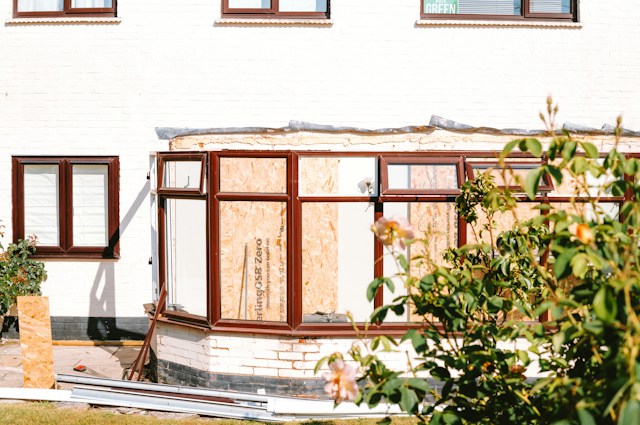
Delaying summer storm damage repairs into fall can allow minor roof, siding, gutter, and moisture problems to spread into more extensive damage. Addressing storm damage before winter can reduce repair costs, simplify insurance documentation, and protect the home from freeze-thaw conditions.
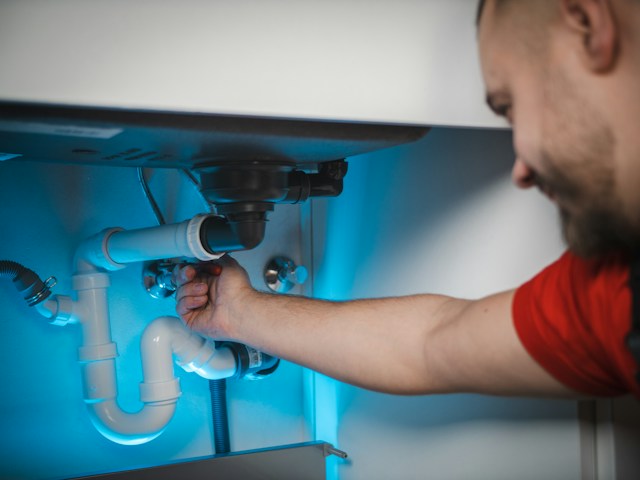
Michigan’s first freeze can expose hidden plumbing and foundation vulnerabilities, including uninsulated pipes, drainage problems, and existing cracks. Preparing these areas before temperatures drop can help prevent burst pipes, moisture intrusion, and costly winter damage.
.jpg)
A fall home inspection can uncover roof, gutter, foundation, plumbing, attic, and wildlife issues before Michigan’s winter weather makes them worse. Addressing small problems before freezing temperatures arrive can help prevent water damage, frozen pipes, structural concerns, and costly repairs.
