
.png)
Hidden roof leaks often go unnoticed until they cause significant water damage, as even small drips can soak insulation, warp ceilings, and foster mold growth. In Michigan’s climate, seasonal freeze-thaw cycles and steady rains can worsen minor roofing issues, making timely inspections essential. Early repairs prevent extensive attic damage, structural rot, and costly mold remediation, ensuring homes remain safe and dry.
When most homeowners think of water damage, they imagine torrential rain or a major storm ripping through their roof. But in reality, the most damaging roof leaks are often the quietest—a slow drip here, a small stain there. These hidden leaks can persist for weeks or even months before anyone notices, silently soaking insulation, warping ceilings, and compromising structural materials.
The truth is, you don’t need a major storm to experience serious water damage. In Michigan, something as simple as steady spring rain, overnight dew, or melting snow can sneak through a cracked shingle, damaged flashing, or a worn seal. Over time, that slow moisture infiltration finds its way into your attic and ceiling materials, causing expensive and sometimes dangerous deterioration.
This is why roof leak water damage repair should never be delayed. Acting quickly can prevent the need for full ceiling replacements, mold remediation, or extensive attic restoration later on.
Most roof leaks start with small vulnerabilities that slowly worsen over time, especially in areas that endure repeated seasonal wear. Some of the most frequent causes include:
Living in Michigan means your roof battles year-round weather extremes. Freeze/thaw cycles, snow buildup, ice dams, and heavy spring rains all contribute to the gradual breakdown of roofing systems. Shingles expand and contract, seals dry out, and small openings become wide enough to let water through. Add in high winds or a summer storm, and a minor problem can turn serious overnight.
One of the most frustrating aspects of roof leaks is that the water often travels before it becomes visible. It may enter through a compromised shingle on one side of the house and flow along beams or insulation until it finally pools and appears as a stain in a completely different location—often a ceiling far from the roofline breach.
This makes identifying the true source of a leak challenging without a professional inspection.
Because so much of this damage happens quietly and out of sight, routine roof and attic inspections are critical. Especially after a Michigan winter or heavy rain season, a professional assessment can catch small issues like cracked flashing or missing shingles before they turn into widespread roof leak water damage or visible ceiling water stains.
At Titus Contracting, we don’t just clean up the aftermath—we help you prevent it. Our team provides thorough moisture detection, leak tracing, and damage assessments to ensure your home stays protected year-round.
One of the most common and visible red flags is the appearance of ceiling water stains. In Michigan homes, these often show up as:
Because water can travel before it becomes visible, these stains may not be directly beneath the source of the leak. A stain in your living room ceiling might originate from a damaged section of roof several feet away.
If your walls or ceilings are starting to blister, warp, or peel—especially near roof slopes or upper-level windows—water infiltration may already be at play. This damage is especially common in older Michigan homes with plaster ceilings or homes that have seen multiple freeze-thaw seasons.
Don’t assume it’s cosmetic. Peeling materials usually mean that moisture is getting trapped behind the surface—and that's when mold and rot start to thrive.
A roof leak doesn’t have to pour water into your living space to be dangerous. Sometimes, the only clue is a persistent musty odor on the upper floors, particularly in closets or attic spaces that don’t get much airflow.
These smells are often the first sign of hidden mold growth in insulation, sheathing, or wall cavities. By the time the smell is strong, microbial growth may already be well underway.
Your attic is often the first place to suffer when a roof leak begins. If you check your attic after a rainstorm and notice:
…you’re likely dealing with active roof water intrusion.
Titus Contracting offers comprehensive attic water damage restoration in Rochester and surrounding areas. We not only remove and replace damaged insulation—we also locate the source of the leak and help seal your attic from future moisture threats.
If your ceiling feels soft to the touch or shows signs of sagging, that’s a serious concern. These soft spots often mean that water has pooled above, weakening the drywall or plaster and placing stress on the ceiling structure. Left unaddressed, these areas can collapse—posing both a safety hazard and a major repair bill.
Roofing systems are designed to handle rain—but not when they’re already compromised. A missing shingle, cracked flashing, or clogged vent may not cause immediate issues on a dry day. But during a summer storm or winter thaw, wind-driven rain and water volume increase exponentially, turning a harmless trickle into gallons of water pouring into your attic or ceiling cavities.
At that point, you’re no longer dealing with a small repair. You may be facing:
Homeowners are often surprised to learn that insurance doesn’t always cover water damage if it's considered the result of long-term neglect. If you delay repairs after spotting warning signs like ceiling stains or musty odors, your insurer might label the damage as “pre-existing.” This can result in reduced coverage or outright denial of your claim.
In contrast, early documentation and prompt roof leak water damage repair show that you’ve acted responsibly—giving you the best chance of full reimbursement if additional damage does occur during a storm.
Moisture trapped in insulation, wood, or drywall creates the perfect environment for mold and bacterial growth. These contaminants don’t just harm your home—they can affect your family’s health, leading to:
And once mold takes root, cleanup costs increase significantly. What could have been a quick drying session now requires specialized remediation, material replacement, and air quality testing.
Water weakens wood. That’s not an opinion—it’s a fact. Over time, even a small leak can rot rafters, joists, or support beams, especially in the attic where water tends to sit and soak. Eventually, this can lead to structural shifting, sagging ceilings, or complete collapse.
The longer you wait, the deeper the damage runs—and the more expensive the restoration becomes.
That tiny stain on your ceiling? It’s not just a cosmetic issue—it could be a warning sign of something far more serious. Water damage from a leaky roof compromises your home’s structure, safety, and air quality, even before a single storm rolls in.
Waiting for a major weather event to "confirm" a problem only increases the risk—and the cost. By then, you’re no longer dealing with a minor patch job. You’re looking at waterlogged insulation, crumbling drywall, potential mold contamination, and even structural rot. Proactive repairs are always less costly—and less stressful—than emergency storm recovery.
At Titus Contracting, we help Michigan homeowners stay ahead of the storm. Whether you’ve just noticed a musty smell or you’re dealing with active leaks, our team provides prompt, professional service to contain the damage and restore your home quickly and thoroughly.
Discover the latest strategies for effective water damage restoration and how our 24/7 emergency response can safeguard your home.
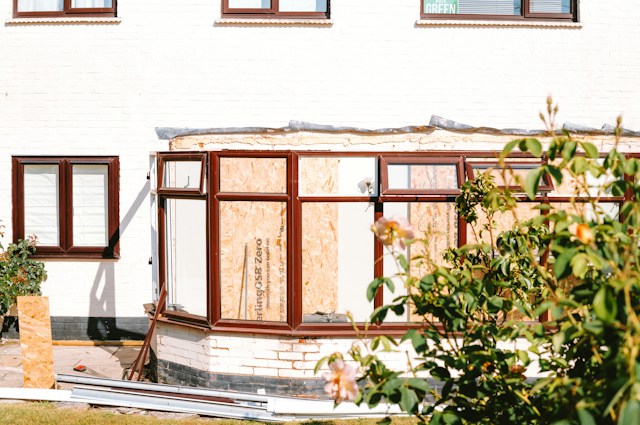
Delaying summer storm damage repairs into fall can allow minor roof, siding, gutter, and moisture problems to spread into more extensive damage. Addressing storm damage before winter can reduce repair costs, simplify insurance documentation, and protect the home from freeze-thaw conditions.
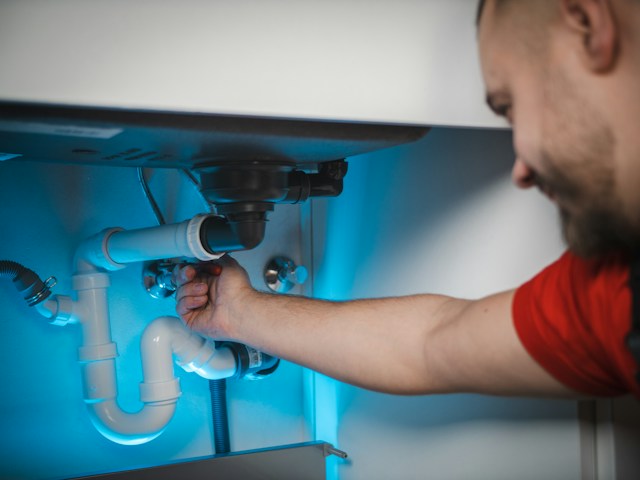
Michigan’s first freeze can expose hidden plumbing and foundation vulnerabilities, including uninsulated pipes, drainage problems, and existing cracks. Preparing these areas before temperatures drop can help prevent burst pipes, moisture intrusion, and costly winter damage.
.jpg)
A fall home inspection can uncover roof, gutter, foundation, plumbing, attic, and wildlife issues before Michigan’s winter weather makes them worse. Addressing small problems before freezing temperatures arrive can help prevent water damage, frozen pipes, structural concerns, and costly repairs.
