

Michigan’s fall weather reveals what summer often hides — unseen leaks, moisture buildup, and structural wear that can lead to costly water damage. Shifting temperatures, heavy rain, and condensation expose weak points in roofs, basements, and plumbing, making autumn the ideal time for a thorough home inspection. Detecting and repairing hidden water damage now prevents mold growth, foundation decay, and energy loss through the winter. Titus Contracting uses advanced technology and expert restoration methods to locate, repair, and protect homes across Southeast Michigan before small problems become major ones.
As the crisp autumn air moves through Michigan and the trees start to trade their green for gold, homeowners are reminded that fall is a season of transition — and that transition brings change not just outdoors, but inside our homes as well. Beneath the beauty of falling leaves and cooler breezes lies one of the most common and costly homeowner issues: hidden water damage.
Unlike a burst pipe or flooded basement, hidden water damage doesn’t make itself obvious. It develops quietly — a slow drip behind a wall, condensation gathering under insulation, or moisture seeping into a basement after a humid summer. Over time, this trapped water begins to do its work: rotting wood, weakening drywall, and feeding mold spores that thrive in dark, enclosed spaces. By the time visible damage appears, the problem is often far more extensive than it seems on the surface.
Fall is the perfect time to uncover these silent threats. Michigan’s shifting weather patterns — chilly nights, warm afternoons, and increased rainfall — put your home’s structure to the test. Those temperature swings can cause expansion and contraction in materials, revealing cracks, leaks, or insulation failures that went unnoticed all summer. What’s more, the moisture left behind by summer storms or high humidity can linger, waiting for the colder air of winter to trap it deep inside your walls.
Without early detection, that unseen moisture can cause structural decay, rising utility costs, and even health hazards from hidden mold growth. But with the right inspection and maintenance strategy, you can catch these issues before they spiral into costly repairs.
That’s where Titus Contracting comes in. As Michigan’s trusted 24/7 restoration and inspection experts, the Titus team helps homeowners across Bruce Township, Rochester, Auburn Hills, and the surrounding communities uncover and repair hidden water damage before it worsens. Using advanced detection tools and professional-grade drying equipment, Titus doesn’t just treat surface-level issues — they find the source, stop the problem, and help you protect your home’s long-term health.
Fall is nature’s reminder to prepare for what’s ahead — and that includes making sure your home is dry, sealed, and ready for Michigan’s winter storms. A professional fall inspection is more than a maintenance task; it’s a safeguard for your investment, your comfort, and your peace of mind.
Your roof is your first line of defense against the elements, but even the toughest materials wear down after years of Michigan’s changing seasons. Aging shingles, cracked flashing, or missing sealant around vents and chimneys can all allow rainwater to sneak in.
In the fall, the combination of temperature swings and early frost can cause expansion and contraction in roofing materials, creating tiny openings that let moisture seep through. If left unchecked, that moisture can soak insulation, stain ceilings, and weaken roof decking long before you notice a visible leak.
Scheduling a fall roof inspection helps catch these issues early, preventing bigger headaches like ice dams or ceiling collapse once winter snow arrives.
Basements are naturally vulnerable to moisture — especially during Michigan’s rainy fall season. When the ground around your foundation becomes saturated, water pressure increases, forcing moisture into any available cracks or joints.
Poor grading, clogged drain tiles, or deteriorating waterproofing can allow slow seepage that may go unnoticed for months. Over time, you might spot efflorescence (white chalky residue), musty odors, or damp spots on concrete walls — all signs of water infiltration.
If ignored, seepage can lead to mold growth, structural damage, and poor indoor air quality. A professional inspection from Titus Contracting can pinpoint these hidden leaks and offer waterproofing or repair options to protect your foundation before winter freeze-thaw cycles make them worse.
A slow plumbing leak may seem harmless at first, but over time it can cause significant damage behind walls or under cabinets. Common trouble spots include worn seals under sinks, corroded valves, or tiny pinhole leaks in copper or PEX pipes.
Because these leaks often occur in concealed areas, homeowners usually discover them only after spotting discoloration, peeling paint, or warped flooring. The constant moisture can feed mold and attract pests — two issues no homeowner wants to face in winter.
During your fall home inspection, take time to check under sinks, behind appliances, and near bathroom fixtures for any signs of dampness. If you’re unsure, Titus Contracting’s advanced leak detection tools can locate hidden plumbing issues without invasive wall cuts.
Household appliances are another sneaky source of hidden water damage. Dishwashers, washing machines, and water heaters can all leak slowly from aging hoses, loose fittings, or failing seals. These leaks often occur beneath flooring or behind cabinets — areas rarely checked until damage is already widespread.
In many Michigan homes, the first clue is a soft spot on the floor or a faint musty smell in the laundry room or kitchen. Replacing supply lines, tightening hose connections, and adding drip pans can help prevent small leaks from turning into costly repairs.
For older appliances, regular maintenance and inspections are especially important in the fall when cooler air and condensation can worsen hidden moisture problems.
As Michigan’s temperatures drop, condensation and drafts become more noticeable — and they often point to failing seals or deteriorated caulking around windows and doors. When those seals break down, rainwater can seep into framing materials, causing rot, warped trim, and even mold behind the drywall.
A quick inspection can make a big difference. Look for fogging between glass panes, soft wood around sills, or cracked caulk lines. Re-sealing or replacing damaged areas in the fall helps keep moisture out and improves your home’s energy efficiency before winter.
Most hidden water damage starts small — but the sooner you spot it, the easier it is to fix. Identifying these problem areas early helps you avoid major repairs and health hazards down the line.
If you suspect hidden leaks or moisture damage, don’t wait for the signs to spread. Titus Contracting offers comprehensive home inspections, moisture mapping, and restoration services to uncover problems before they escalate. Their expert technicians use cutting-edge detection equipment to locate hidden leaks and restore your home quickly, safely, and professionally.
Hidden water damage doesn’t always show itself through visible stains or dampness. In many Michigan homes, especially those with finished basements or older construction, water can move silently through insulation, flooring, or framing for months before any signs appear.
Titus Contracting uses cutting-edge detection tools to uncover these hidden moisture pockets before they lead to bigger issues like mold or structural decay:
This technology-driven process allows the Titus team to locate leaks precisely, minimize disruption, and address the problem at its source. Homeowners get clear answers and actionable solutions instead of guesswork or partial fixes.
Once hidden water damage is identified, Titus Contracting acts quickly to remove moisture, prevent mold, and restore your home’s integrity. Every step is handled by trained specialists using professional-grade equipment and restoration best practices.
Here’s what the process looks like:
Hidden water damage doesn’t wait for winter — it builds quietly, often for months, behind walls, under floors, and in basements where it’s least expected. By the time visible signs appear, the damage has usually spread far beyond what meets the eye. Fall is your best chance to stop that from happening.
As Michigan’s temperatures drop and humidity gives way to crisp, dry air, your home naturally shifts — wood contracts, seals tighten, and condensation patterns change. These transitions make fall the perfect time to detect and repair leaks before they worsen. A simple inspection today can save you from major structural damage, mold growth, or expensive repairs come spring.
That’s where Titus Contracting comes in. Using advanced detection tools and decades of hands-on experience, their team specializes in uncovering hidden leaks, eliminating moisture, and restoring your home to full strength. Whether it’s an unseen roof leak, slow basement seepage, or moisture creeping into drywall, Titus provides the precision and professionalism needed to fix it right — the first time.
When you partner with Titus Contracting, you’re not just fixing water damage; you’re protecting your home, your investment, and your peace of mind for seasons to come.
Discover the latest strategies for effective water damage restoration and how our 24/7 emergency response can safeguard your home.
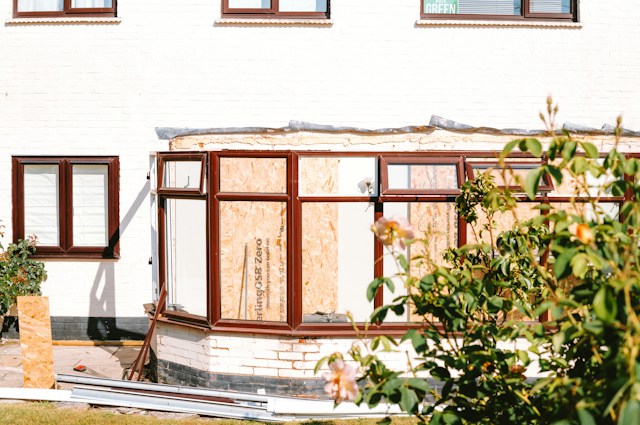
Delaying summer storm damage repairs into fall can allow minor roof, siding, gutter, and moisture problems to spread into more extensive damage. Addressing storm damage before winter can reduce repair costs, simplify insurance documentation, and protect the home from freeze-thaw conditions.
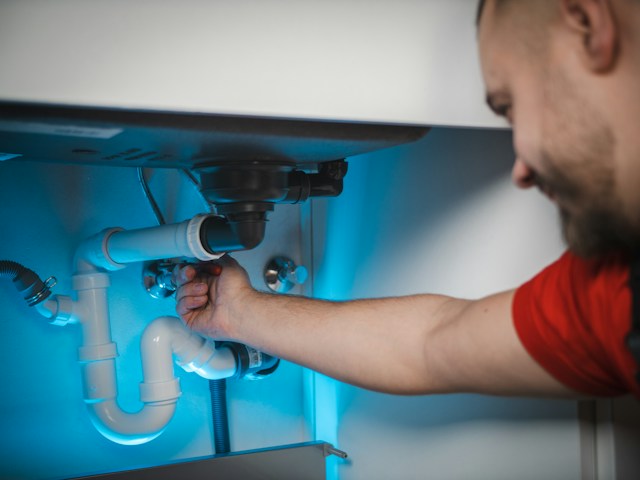
Michigan’s first freeze can expose hidden plumbing and foundation vulnerabilities, including uninsulated pipes, drainage problems, and existing cracks. Preparing these areas before temperatures drop can help prevent burst pipes, moisture intrusion, and costly winter damage.
.jpg)
A fall home inspection can uncover roof, gutter, foundation, plumbing, attic, and wildlife issues before Michigan’s winter weather makes them worse. Addressing small problems before freezing temperatures arrive can help prevent water damage, frozen pipes, structural concerns, and costly repairs.
