
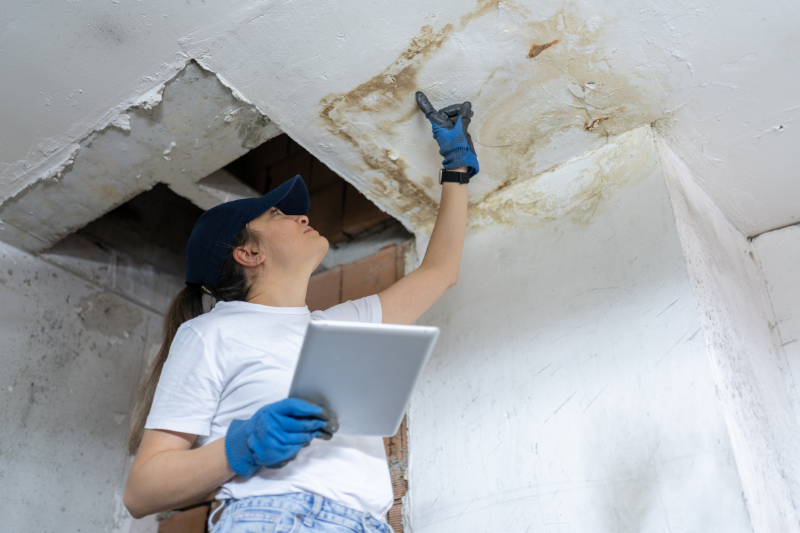
Michigan’s colorful fall season often brings powerful storms that can cause sudden roof leaks, basement flooding, and wind damage. Clogged gutters, loose shingles, and foundation cracks are common culprits when heavy rain and strong gusts strike. Proactive steps like clearing drains, trimming trees, and sealing vulnerable areas can protect your home before winter sets in. Titus Contracting offers 24/7 emergency water and storm damage repair across Southeast Michigan, helping homeowners recover quickly and safely after severe weather.
As the trees turn brilliant shades of red, orange, and gold, fall in Michigan feels like something out of a postcard. But beneath that seasonal beauty lies a familiar challenge for homeowners — the unpredictable storm systems that roll through the Great Lakes region every autumn. Sudden downpours, gusty winds, and early cold snaps can turn a peaceful evening into a property emergency before you even realize what’s happening.
Michigan’s fall weather is as dynamic as it is beautiful. Warm, humid days can quickly give way to freezing rain, sleet, and whipping winds that test the strength of every roof, gutter, and window seal. It’s a time when even minor maintenance issues — a loose shingle, a clogged downspout, a small foundation crack — can suddenly lead to serious problems like roof leaks, basement flooding, or exterior damage.
Every year, homeowners across Oakland County and beyond experience the same wake-up call: one powerful storm can cause thousands of dollars in damage if your home isn’t storm-ready. What starts as a trickle can become a flooded basement, soaked drywall, or hidden mold growth — especially when water finds its way into places you can’t easily see. That’s why proactive maintenance and early inspection are essential in the fall, before Michigan’s winter weather takes over.
At Titus Contracting, we know that fall storms don’t wait for a convenient time to strike — and neither do we. Our restoration experts are available 24/7 to help you protect, repair, and restore your home when the weather turns harsh. From emergency water extraction and storm damage cleanup to full-scale flood and wind damage repair, our Bruce Township-based team responds fast with the right tools, training, and care to get your home back to normal.
Whether you’re dealing with a minor roof leak or a full-blown basement flood, Titus Contracting brings years of experience, advanced equipment, and an honest, hands-on approach to every job. We don’t just fix damage — we help Michigan families recover peace of mind after the storm.
Your gutters are your home’s first line of defense against rainwater intrusion — but only if they’re clean and functional. During fall, Michigan’s maples, oaks, and pines drop leaves and needles faster than you can keep up, and those clogs can spell disaster during a downpour. When gutters overflow, water cascades down siding, seeps into soffits, and collects around the foundation.
Even small clogs can lead to erosion, leaks, or structural issues over time. If you notice pooling near your home after rain, it’s a sign your gutter system may need professional attention.
A single missing shingle can become a direct water entry point once wind and rain hit. Fall is the ideal time to give your roof a thorough once-over before snow and ice make inspections harder.
Proactive roof maintenance is far cheaper than emergency water extraction after a leak. A tight roof now means peace of mind through Michigan’s long winter.
Your foundation is the anchor of your home — and one of the most vulnerable areas during fall storms. When the soil around it becomes oversaturated, water pressure increases against concrete walls, forcing moisture into cracks and seams.
Small foundation leaks can turn into major flooding if left unchecked — and by the time water reaches your basement floor, structural materials may already be compromised.
Even with strong exterior defenses, fall storms can still find weak spots inside your home. Early detection is key to preventing widespread water damage.
If you discover interior water intrusion, don’t wait. Fast action is the best defense against mold and rot. The experts at Titus Contracting use advanced moisture detection equipment to locate leaks behind walls and under floors, ensuring your home is fully dried and protected after a storm.
Strong winds can turn unsecured objects into projectiles. Loose siding panels, hanging shutters, or even patio furniture can cause unexpected property damage — not to mention danger to anyone nearby.
Small fixes like these can prevent large-scale repairs later, saving both time and money once the weather calms.
Michigan’s mature trees are beautiful — until a heavy windstorm hits. Overhanging limbs can scrape shingles, damage gutters, or crash through windows during high gusts.
Proactive trimming not only protects your roof and power lines but also improves safety for your entire property.
Wind finds the weakest link around your home — and decks, fences, and carports often take the brunt of it.
These areas are easy to overlook, yet damage here can lead to secondary issues like siding tears, roof leaks, or even structural collapse during extreme wind events.
Garage doors are one of the most vulnerable entry points during windstorms, especially in open or rural parts of Michigan where gusts can exceed 50 mph. If the door gives way, wind pressure can build inside the structure, lifting the roof or blowing out walls.
A few preventative upgrades can greatly improve your home’s storm resilience — especially for older properties or detached garages.
Fall storms can be particularly rough on mobile and manufactured homes due to their lighter structures and open undercarriages. Wind can get beneath the frame, causing uplift or vibration damage if tie-downs or skirting are loose.
If you’re unsure about your setup’s condition, the team at Titus Contracting can recommend trusted local specialists for reinforcement or emergency repair after a storm.
Michigan’s fall storms are a fact of life — unpredictable, fast-moving, and sometimes downright destructive. But while you can’t control the weather, you can control how well your home stands up to it. With the right preparation, small preventative steps, and support from trusted local professionals, you can keep your property safe, dry, and secure all season long.
Whether it’s a roof that’s been through one too many windstorms or a basement that’s seen its share of flooding, every home has its vulnerabilities. The good news is that taking action before disaster strikes makes recovery easier and less expensive. Seasonal maintenance like cleaning gutters, checking flashing, sealing foundation cracks, and trimming trees isn’t just busywork — it’s protection for your investment and your peace of mind.
And when the storms do hit — because they will — know that help is never far away. Titus Contracting Group is Michigan’s trusted, 24/7 partner for water, storm, and wind damage repair across Bruce Township and surrounding communities. Our team responds fast, works thoroughly, and keeps you informed every step of the way. From emergency water extraction to full-scale restoration, we’re here to help you recover quickly and confidently.
Discover the latest strategies for effective water damage restoration and how our 24/7 emergency response can safeguard your home.
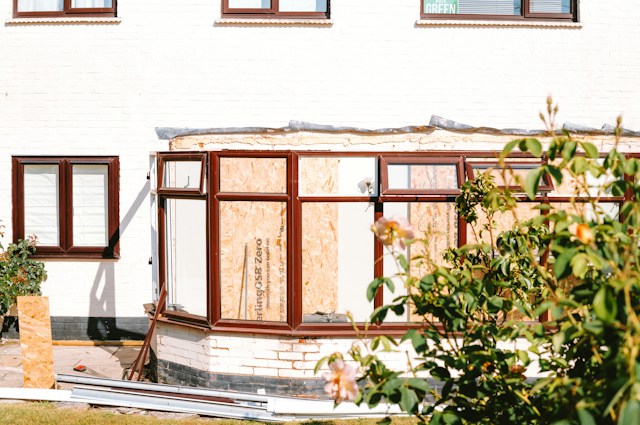
Delaying summer storm damage repairs into fall can allow minor roof, siding, gutter, and moisture problems to spread into more extensive damage. Addressing storm damage before winter can reduce repair costs, simplify insurance documentation, and protect the home from freeze-thaw conditions.
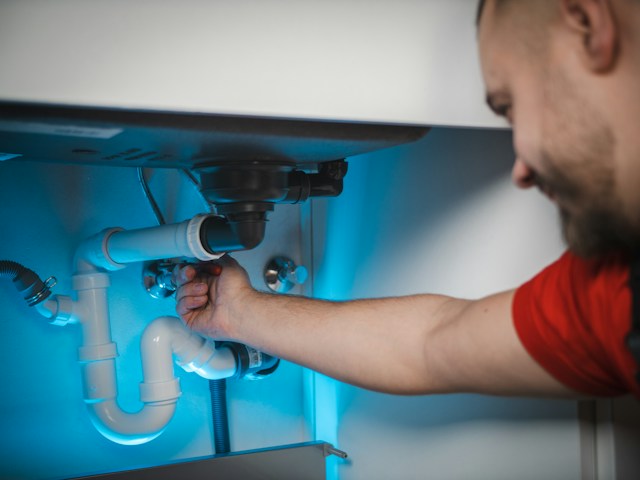
Michigan’s first freeze can expose hidden plumbing and foundation vulnerabilities, including uninsulated pipes, drainage problems, and existing cracks. Preparing these areas before temperatures drop can help prevent burst pipes, moisture intrusion, and costly winter damage.
.jpg)
A fall home inspection can uncover roof, gutter, foundation, plumbing, attic, and wildlife issues before Michigan’s winter weather makes them worse. Addressing small problems before freezing temperatures arrive can help prevent water damage, frozen pipes, structural concerns, and costly repairs.
