
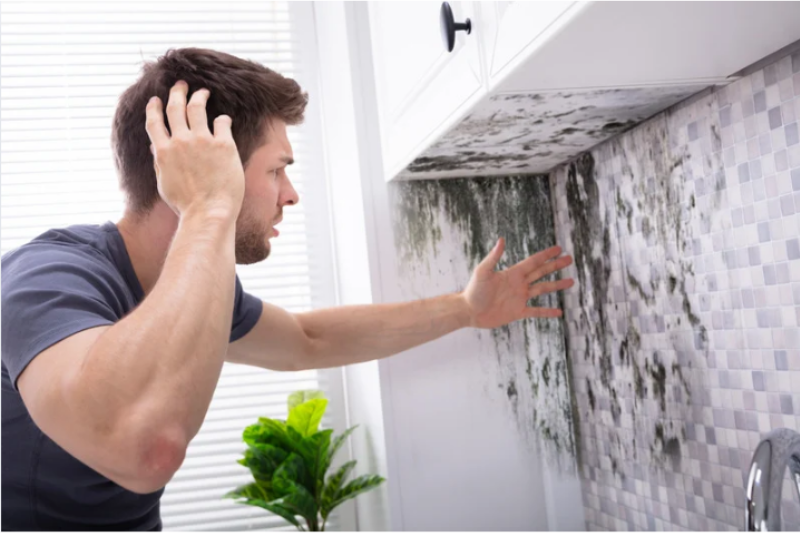
Winter mold often develops from hidden moisture caused by condensation, poor ventilation, and cold surfaces inside tightly sealed homes. Recognizing early signs and avoiding DIY cleanup helps prevent mold from spreading through walls, attics, and HVAC systems. Professional remediation removes contamination safely, addresses the underlying moisture source, and restores healthy indoor air quality.
Most people think mold is a warm-weather problem. It’s easy to assume that once the temperatures drop, mold disappears until spring. But the truth is that winter is one of the worst times for mold growth inside Michigan homes—and many families don’t realize it until they see dark spots on their walls or smell that musty odor drifting through the house.
Every winter, we see mold calls spike in Auburn Hills, Rochester, Orion Township, Shelby Township, and surrounding Michigan communities. Most homeowners are shocked and think it came out of nowhere. But winter mold often starts from hidden moisture problems—things like attic condensation, poorly insulated walls, or unnoticed plumbing leaks that grow worse when the house is closed up for the season.
During winter, your home’s interior stays warm while exterior walls stay cold. When humid indoor air hits these cold surfaces, condensation forms behind drywall, inside closets, and in corners—places mold thrives.
We close windows, seal doors, and limit fresh airflow to keep out the cold. This means:
And since mold spores are already in the air, they take advantage of trapped moisture.
Some everyday habits raise indoor humidity without us realizing it:
All of this adds moisture to your home—and mold only needs a little to grow.
Certain areas in Michigan homes are especially vulnerable:
Moisture collects and sits on these cold surfaces, creating a perfect environment for winter mold.
Michigan winters come with:
Snowmelt near the foundation, ice dams on the roof, and frozen plumbing lines all contribute to hidden moisture problems.
While the outdoor air is freezing, the inside of your home stays warm—and mold LOVES warmth. Even closets, wall cavities, and attics maintain temperatures comfortable enough for mold to thrive.
Winter doesn’t slow mold down—in many homes, it speeds it up.
Drafty windows and poorly sealed door frames allow cold air to infiltrate. This causes condensation to form on trim, drywall, and window sills—one of the most common areas we find winter mold.
A warm attic meets cold winter air, creating frost on roof decking. When that frost melts, moisture drips into insulation and ceilings. Ice dams can push water under shingles, causing hidden leaks that go unnoticed until mold appears.
Cold concrete walls paired with trapped humid air create damp conditions all winter long. Many homeowners don’t notice mold until spring because basements are used less during the colder months.
Tiny drips from pipes can increase during winter as metal contracts. These leaks may be too small to notice but large enough to feed mold growth inside wall cavities.
Hot showers create moisture that must be vented outdoors. When fans don’t run long enough (or don’t work at all), steam rises and condenses on ceilings—leading to mold patches around vents, lights, and corners.
Dirty filters, blocked vents, and recirculated humid air can spread moisture and mold spores throughout the home. A struggling furnace can also create uneven heating, increasing condensation risks in colder rooms.
One of the biggest mistakes homeowners make is trying to clean mold with bleach or scrubbing it with brushes or sponges. These methods disturb the mold colony and release spores into the air, causing the contamination to spread into new rooms, vents, or porous materials. Bleach also doesn’t reach mold roots inside drywall or wood, so it only hides the problem temporarily.
Your HVAC system can move air—and mold spores—throughout the entire home in minutes. If you’ve discovered mold, turn off:
This reduces the chance of spores traveling to other rooms or entering ductwork.
Closing doors, sealing gaps at the bottom with a towel, or placing plastic sheeting over entry points can help prevent cross-contamination. If the mold is in a closet, bathroom, or utility room, limiting airflow immediately buys crucial time.
Before anything is moved or touched, take:
Documentation helps you support any potential insurance claim, especially if the mold was caused by a sudden and accidental water event.
Mold spreads quietly, and winter conditions allow it to grow quickly behind walls, inside insulation, and along cold surfaces. Removing it early prevents:
Acting fast saves time, money, and stress—and ensures your home stays safe.
We start with a complete assessment using:
This tells us where mold started, how far it spread, and what caused it.
We seal off affected areas using:
This prevents mold from spreading into clean rooms during cleanup.
Next, we run HEPA air scrubbers to capture airborne mold spores, dust, and debris. These machines dramatically improve indoor air quality and help protect your family during remediation.
We carefully remove contaminated materials such as:
Everything is bagged and disposed of according to safety standards to avoid recontamination.
We clean all remaining surfaces with specialized antimicrobial solutions, HEPA vacuums, and mold-inhibiting agents. This eliminates lingering spores and helps prevent regrowth.
Mold always has a cause. We address issues such as:
This ensures mold doesn’t return.
Once the mold is removed and the structure is dry, we rebuild the damaged areas. This may include:
Our goal is to restore your home to pre-mold condition—or better.
Finally, we perform air testing and visual inspections to ensure the home is completely mold-free. This provides peace of mind that the space is safe, clean, and healthy again.
Winter mold can be sneaky, fast-growing, and incredibly stressful—but it’s absolutely treatable when you act quickly. With fast intervention, proper containment, and professional remediation, your home can be restored safely without long-term damage.
We encourage Michigan homeowners to stay vigilant this winter. If you notice musty odors, condensation, or visible spots, don’t wait. Early action protects your indoor air quality, stops structural damage, and saves you from costly repairs down the road.
Our team is here to help with moisture detection, mold removal, prevention planning, and full restoration—so your home stays safe and healthy all winter long.
Discover the latest strategies for effective water damage restoration and how our 24/7 emergency response can safeguard your home.
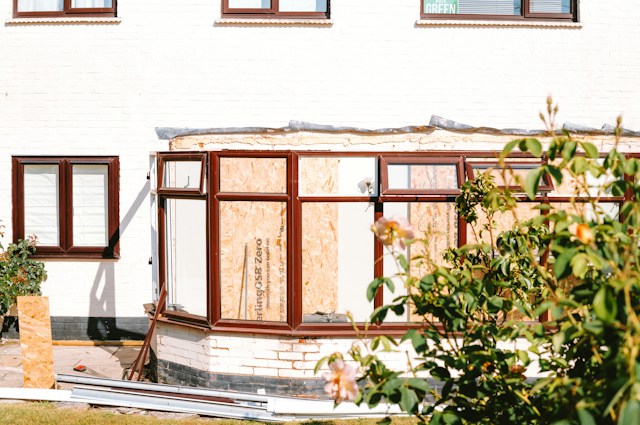
Delaying summer storm damage repairs into fall can allow minor roof, siding, gutter, and moisture problems to spread into more extensive damage. Addressing storm damage before winter can reduce repair costs, simplify insurance documentation, and protect the home from freeze-thaw conditions.
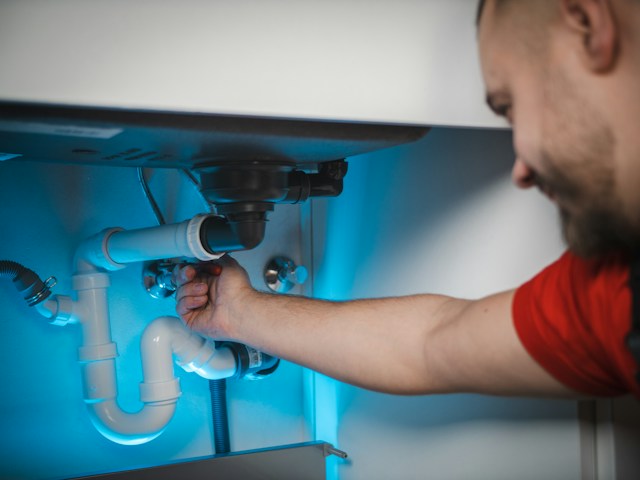
Michigan’s first freeze can expose hidden plumbing and foundation vulnerabilities, including uninsulated pipes, drainage problems, and existing cracks. Preparing these areas before temperatures drop can help prevent burst pipes, moisture intrusion, and costly winter damage.
.jpg)
A fall home inspection can uncover roof, gutter, foundation, plumbing, attic, and wildlife issues before Michigan’s winter weather makes them worse. Addressing small problems before freezing temperatures arrive can help prevent water damage, frozen pipes, structural concerns, and costly repairs.
