
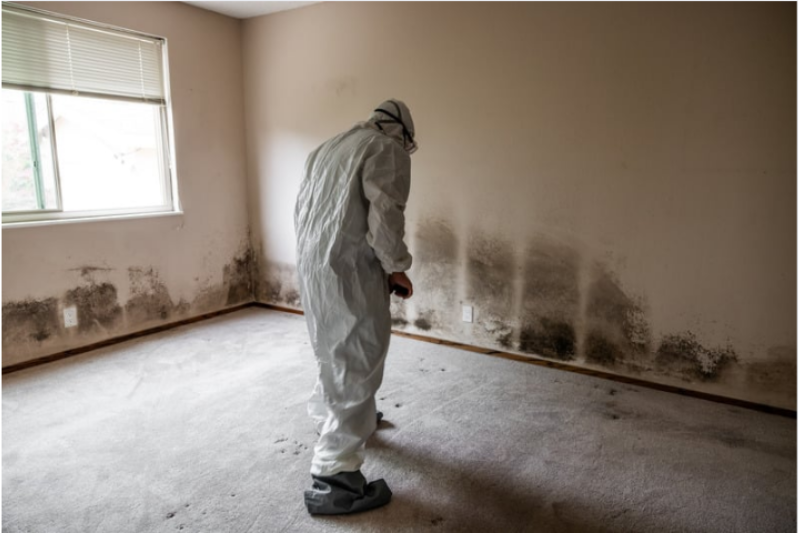
Persistent musty odors in a home often indicate hidden moisture problems rather than simply the scent of an older building. Damp environments in areas such as basements, crawlspaces, attics, or wall cavities can allow mold and microbial growth to develop unnoticed. Identifying and addressing the source of excess moisture early can help protect indoor air quality and prevent structural damage.
Many homeowners have experienced it at some point—a persistent musty smell that seems to linger in certain parts of the house. It might be noticeable when entering the basement, opening a closet, walking into the attic, or returning home after the house has been closed up for several days. Because older homes often develop distinct scents over time, many people dismiss this odor as simply the smell of an “old house.”
However, musty odors rarely appear without a cause. In most cases, the smell is a signal that excess moisture is present somewhere in the home. When moisture accumulates in enclosed spaces such as basements, crawlspaces, wall cavities, or attics, it creates the ideal environment for mold growth and microbial activity.
These hidden moisture problems often develop slowly and remain unnoticed until the smell becomes strong enough to attract attention. By the time that musty odor becomes persistent, moisture may already be affecting building materials, insulation, and air quality throughout the home.
Recognizing that this smell may indicate a deeper problem allows homeowners to address moisture sources before damage spreads further through the structure.
Mold spores are naturally present in the air and exist both indoors and outdoors. Under normal conditions, these spores remain inactive and do not cause problems. However, when spores land on damp surfaces, they can begin growing and spreading quickly.
Mold thrives in environments that provide four basic conditions:
One reason mold problems can go unnoticed is that mold often develops in hidden areas. It tends to grow in places where moisture is present but where light and airflow are limited.
Some of the most common hidden mold locations include:
While musty odors may seem like a minor annoyance at first, they can indicate conditions that lead to more serious problems over time. Mold growth can gradually damage building materials, weakening structural components and causing staining or deterioration.
Wood framing may begin to decay, drywall can become discolored or soft, and insulation may lose its effectiveness when exposed to moisture.
In addition to structural concerns, mold spores circulating through the air may reduce indoor air quality and contribute to respiratory irritation for some individuals.
Crawlspaces are especially vulnerable to moisture buildup because they sit directly above the ground and beneath the main living areas of the home. This location exposes them to humidity from soil, groundwater, rainfall, and temperature changes throughout the year. If these spaces are not properly sealed or ventilated, moisture can accumulate and remain trapped beneath the structure.
Moisture may enter crawlspaces through several pathways, including:
Although crawlspaces are physically separated from the main living areas, air from beneath the home can still move upward through small openings in the floor structure. This movement occurs due to natural air circulation patterns within the house and is often referred to as the stack effect.
As warm air rises through the home, it pulls air from lower areas such as crawlspaces upward into living spaces. When crawlspace air contains moisture or mold-related odors, those smells can travel throughout the home.
As a result, a musty crawlspace odor may become noticeable in areas such as:
Because crawlspaces are hidden from daily view, the warning signs of moisture often appear elsewhere in the home first. Paying attention to these signals can help homeowners identify problems before serious structural damage develops.
Several signs may indicate excessive moisture beneath the house:
Attics are another area where moisture problems often develop unnoticed. Condensation occurs when warm indoor air rises through the home and enters the attic space. When this warm air comes into contact with cold roof surfaces, the temperature change causes moisture in the air to condense into water droplets.
This condensation can accumulate on several surfaces, including:
Several factors can contribute to moisture buildup in the attic. Many of these issues involve ventilation problems or air leaks that allow warm indoor air to escape into the attic space.
Common causes of attic condensation include:
Attic moisture problems often develop gradually and may not be noticed until visible damage appears. However, several warning signs can indicate excess humidity or condensation in the attic.
Homeowners may notice:
Some moisture problems are difficult to identify through simple visual inspection. Water can hide inside wall cavities, beneath flooring materials, or within insulation where it may continue causing damage without obvious warning signs. In these cases, professional inspection may be necessary to locate the source of the problem and determine the extent of the damage.
Homeowners should consider seeking professional evaluation when they notice:
These symptoms often indicate that moisture is present somewhere behind finished surfaces or inside structural components. Restoration professionals use specialized moisture detection equipment to locate hidden water sources that may not be visible during routine inspections.
Professional restoration teams provide comprehensive services designed to eliminate both moisture and mold growth safely. Because mold can spread quickly when moisture remains present, addressing both the water source and the contamination is essential.
Professional remediation services may include:
Musty odors in a home rarely occur without a reason. In many cases, the smell signals that excess moisture is present somewhere within the structure. Whether the source is mold growth, crawlspace humidity, attic condensation, or hidden water damage, the odor often indicates that conditions exist for microbial growth and material deterioration.
Addressing the underlying cause of musty odors early helps protect the home from long-term damage while restoring a cleaner and healthier indoor environment.
If you notice persistent musty odors in your home, it may be time to investigate the source of hidden moisture. Titus Restoration provides professional mold remediation, moisture detection, and water damage restoration services designed to protect your home and restore healthy indoor conditions.
Titus Restoration
📞 (586) 371-5144
📧 titusrestores@gmail.com
📍 72755 Van Dyke Rd, Bruce Township, MI 48065
🌐 https://titusrestore.com
Discover the latest strategies for effective water damage restoration and how our 24/7 emergency response can safeguard your home.
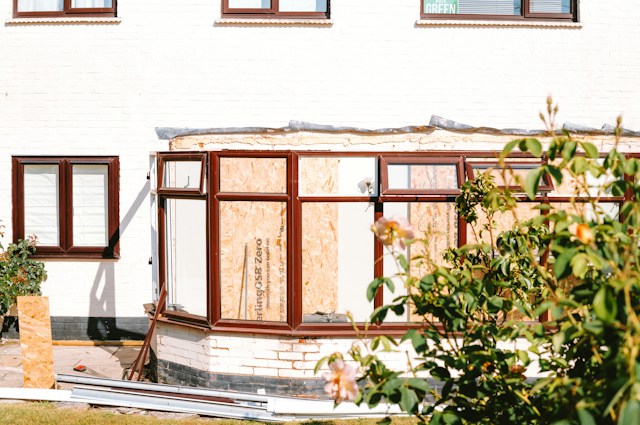
Delaying summer storm damage repairs into fall can allow minor roof, siding, gutter, and moisture problems to spread into more extensive damage. Addressing storm damage before winter can reduce repair costs, simplify insurance documentation, and protect the home from freeze-thaw conditions.
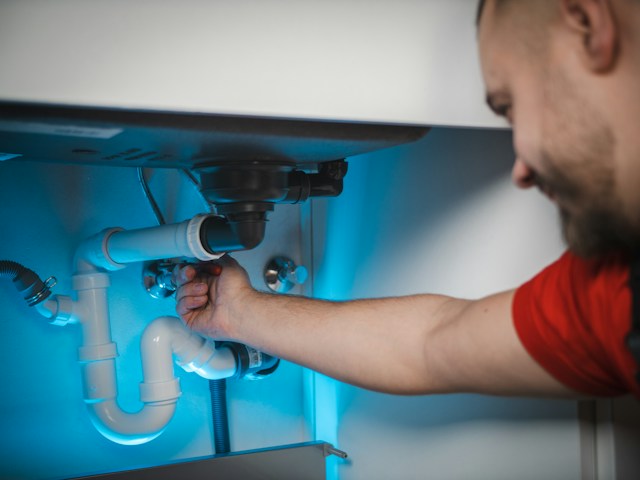
Michigan’s first freeze can expose hidden plumbing and foundation vulnerabilities, including uninsulated pipes, drainage problems, and existing cracks. Preparing these areas before temperatures drop can help prevent burst pipes, moisture intrusion, and costly winter damage.
.jpg)
A fall home inspection can uncover roof, gutter, foundation, plumbing, attic, and wildlife issues before Michigan’s winter weather makes them worse. Addressing small problems before freezing temperatures arrive can help prevent water damage, frozen pipes, structural concerns, and costly repairs.
