
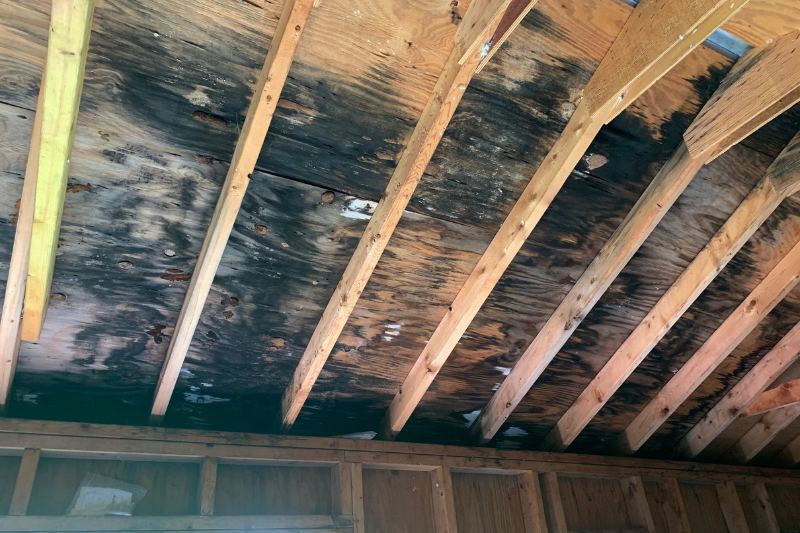
Michigan’s humid climate and aging homes make mold a common, hidden threat—especially in basements, crawl spaces, bathrooms, and behind walls. Professional inspections after water damage, during real estate transactions, or when unexplained health symptoms arise help identify mold early. Inspectors use visual checks, moisture meters, infrared cameras, and lab testing to pinpoint issues. A detailed report then guides safe, effective remediation and preventive measures.
Mold is one of the most common and overlooked threats to homes in Michigan. Thanks to our humid summers, frequent rainstorms, snowmelt, and older housing stock, conditions are often perfect for mold to thrive—especially in areas that don’t receive proper ventilation or drainage. Whether you live in Bruce Township, Auburn Hills, or Rochester, your home may be at greater risk than you realize.
Mold doesn’t always make a dramatic entrance. In fact, it often grows silently behind walls, beneath flooring, or above ceilings, undetected for months or even years. That’s because the most vulnerable spots—basements, crawl spaces, attics, and behind drywall—are areas most homeowners rarely inspect closely. Add in leaky pipes, past flooding, or a poorly ventilated bathroom, and you have the ideal environment for mold spores to multiply.
Whether it’s from a leaky roof, a burst pipe, basement flooding, or storm-related damage, any water intrusion creates the ideal breeding ground for mold. Mold can begin to grow within 24 to 48 hours after moisture exposure. Even if the surface looks dry, moisture can linger behind walls, under flooring, and inside insulation—making it essential to inspect after any water-related incident.
If your home in Bruce Township or the surrounding areas has recently experienced water damage—even if it seemed minor—it’s wise to schedule an inspection to make sure mold hasn’t started to form in hidden areas.
A home may look spotless during a walk-through, but that doesn’t mean it’s mold-free. A mold inspection is a critical step in real estate due diligence, especially in Michigan where basements, crawl spaces, and older HVAC systems are common. Buyers want peace of mind before investing in a home, and sellers benefit from identifying and resolving any mold issues before listing.
Titus Contracting works with buyers, sellers, and real estate agents across Oakland County to provide fast, reliable mold assessments that help prevent surprises after closing day.
Mold can impact your health even when you can’t see it. If you or your family members have been experiencing:
… it may be time to consider mold as a hidden culprit. These symptoms often arise from long-term exposure to airborne mold spores, especially in homes with past water damage or poor ventilation. A professional inspection can identify whether mold is present and what needs to be done.
Mold doesn’t just show up after major flooding—it thrives in homes with:
If your home is more than 15–20 years old or has a history of moisture problems, scheduling a yearly or biannual mold inspection is a smart way to catch issues early and avoid expensive remediation down the road.
At Titus Contracting, we make proactive inspections simple and affordable for homeowners across Michigan. We’re here not just for emergencies, but to help you keep your home healthy and safe year-round.
Certain people are more vulnerable to mold exposure than others, and unfortunately, they’re often the ones we’re most concerned about—children, older adults, and those with asthma, allergies, or weakened immune systems. In these groups, even low levels of mold can trigger:
While black mold (Stachybotrys chartarum) gets the most media attention, it’s not the only type to worry about. Many types of mold release microscopic spores and mycotoxins into the air, which can impact your health through chronic low-level exposure over time. The idea that only “toxic black mold” is harmful is a myth—all indoor mold growth should be taken seriously.
An inspection helps detect mold early and gives you the chance to remediate the issue before it compromises your family’s health.
Mold doesn’t just float around in the air—it feeds on organic building materials inside your home. Once it takes hold, it begins to eat away at:
Left unchecked, this kind of damage can turn a simple repair into a major renovation. Replacing mold-ridden drywall or framing is invasive and expensive, and mold-contaminated HVAC systems may need professional duct cleaning or full replacement.
A proper mold inspection can stop this kind of damage before it spreads.
Here’s something many homeowners don’t realize: mold isn’t always covered by insurance. In fact, some policies exclude mold damage entirely if it results from unresolved maintenance issues, slow leaks, or high humidity. Insurers may deny claims if they believe the mold growth was preventable or if the homeowner delayed action.
This is why timing is everything. When you catch mold early and document the issue through a professional inspection, you have a much better chance of proving your case to your insurance company. Prompt reporting also makes it easier for contractors like Titus Contracting to coordinate directly with adjusters and provide clear documentation to support your claim.
Every inspection begins with a conversation. We’ll ask you about:
This information helps us tailor our inspection to your home’s unique history and potential risk zones.
Our trained professionals perform a detailed walkthrough of your home—inside and out. We focus on the areas where mold is most likely to grow:
Even if mold isn’t visible to the naked eye, we look for telltale signs: bubbling paint, discoloration, condensation, and musty odors.
Because mold thrives in moisture, identifying damp areas is critical. We use specialized tools, including:
This step helps pinpoint problem areas that need attention—even if mold hasn’t formed yet.
If we detect mold—or suspect it’s present—we may recommend lab testing to identify the specific types and concentrations of spores. This can involve:
These tests give us a scientific picture of your home’s mold environment, which is especially useful if health symptoms are present or legal/real estate documentation is required.
At the end of your inspection, we’ll provide a detailed report that includes:
Our team will also take time to answer your questions and explain the best path forward. If remediation is needed, Titus Contracting can transition seamlessly into cleanup and mold removal, using proven methods to restore a safe and healthy home environment.
Mold is one of those problems that’s easy to overlook—until it isn’t. It often starts silently, hiding behind walls, beneath flooring, or in areas you rarely check. But just because it’s invisible doesn’t mean it’s harmless. Left unchecked, mold can compromise your health, damage your home, and create expensive repairs that could have been avoided with early detection.
That’s why scheduling a professional mold inspection isn’t just a precaution—it’s an investment in your property and your well-being. A thorough inspection can uncover hidden threats, provide peace of mind, and equip you with the knowledge to act quickly and effectively.
Whether you’ve noticed musty smells, experienced recent water damage, or simply want to stay ahead of potential issues, our licensed team is here to help you breathe easier—literally.
Discover the latest strategies for effective water damage restoration and how our 24/7 emergency response can safeguard your home.
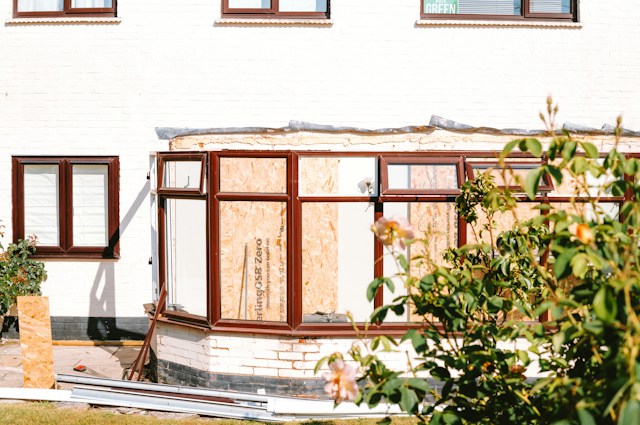
Delaying summer storm damage repairs into fall can allow minor roof, siding, gutter, and moisture problems to spread into more extensive damage. Addressing storm damage before winter can reduce repair costs, simplify insurance documentation, and protect the home from freeze-thaw conditions.
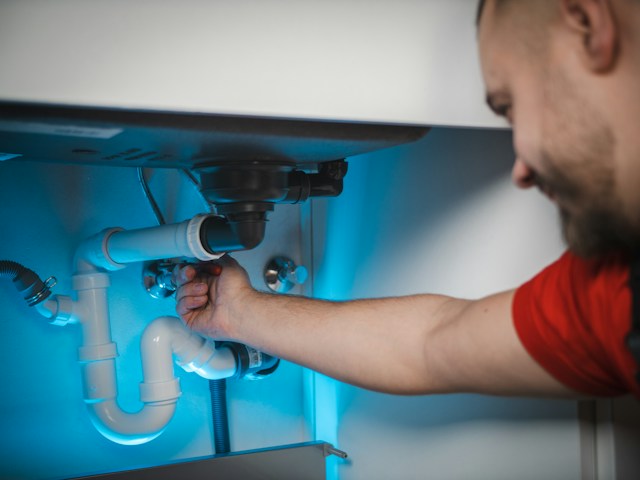
Michigan’s first freeze can expose hidden plumbing and foundation vulnerabilities, including uninsulated pipes, drainage problems, and existing cracks. Preparing these areas before temperatures drop can help prevent burst pipes, moisture intrusion, and costly winter damage.
.jpg)
A fall home inspection can uncover roof, gutter, foundation, plumbing, attic, and wildlife issues before Michigan’s winter weather makes them worse. Addressing small problems before freezing temperatures arrive can help prevent water damage, frozen pipes, structural concerns, and costly repairs.
