

April conditions create the perfect environment for hidden moisture buildup in attics, crawl spaces, and wall cavities after a long winter. This moisture can go unnoticed while leading to mold growth, structural damage, and poor indoor air quality. Recognizing early warning signs like odors, stains, and condensation is key to preventing more serious and costly issues.
April feels like relief after a Michigan winter. The snow is finally going, temperatures are climbing, and the worst of the cold weather is behind you. But inside the walls, attic, and crawl space of a home that has just come through several months of freeze-thaw cycles, ice, and sustained cold, conditions are developing that have nothing to do with relief.
Hidden moisture is one of the most consistently underestimated problems in home restoration. It doesn't announce itself the way a burst pipe or a flooded basement does. It builds quietly in spaces homeowners rarely see, and by the time it produces a symptom worth noticing, it has typically been active long enough to create a real remediation project.
April is when that process accelerates. The combination of residual winter moisture, rapid snowmelt, spring rain, and rising temperatures creates a set of conditions that are uniquely favorable for hidden moisture accumulation and mold development. Understanding what is happening inside the home during this transition is the first step toward catching it before it becomes a costly problem.
The attic sits at the intersection of two competing forces in spring: residual cold from winter and rising heat from below and outside. That temperature differential, combined with the moisture that spring air carries, makes the attic one of the highest-risk spaces in the home for condensation-driven moisture accumulation.
Ice dams form when heat escaping through the roof melts snow at the upper sections of the roofline, and that meltwater refreezes at the cold eave. As ice builds up, it creates a barrier that forces subsequent meltwater back under the shingles and into the roof assembly. The water that enters through that pathway doesn't always produce an immediate visible leak inside the home. It may soak into the insulation below the sheathing, saturate the wood decking, and sit there through the remainder of winter without producing a ceiling stain or drip.
Even in attics with no history of ice dam events or roof leaks, spring condensation is a genuine risk. When warm moist air from the living spaces below rises into a cold attic, or when outside air enters through soffit vents and contacts cold sheathing, moisture deposits on wood surfaces throughout the attic assembly.
A well-ventilated attic moves that air through quickly enough to prevent moisture from accumulating. An attic with blocked soffit vents, inadequate ridge ventilation, or insulation that has been pushed too close to the eaves trapping airflow does not. In those conditions, condensation accumulates on the sheathing repeatedly and the wood stays damp long enough for mold to establish.
While a proper attic inspection requires access, there are signs from below that can indicate a moisture problem is developing:
A crawl space sits directly above soil that holds and releases moisture continuously. Ground contact alone introduces vapor into the crawl space environment year-round, and that vapor condenses on the cooler surfaces of floor joists, subfloor sheathing, and insulation. When a vapor barrier is absent, damaged, or poorly installed, that moisture transfer is largely unchecked.
Spring compounds the problem significantly. As the ground thaws and spring rain saturates the soil around and beneath the home, the moisture content of that soil increases. More vapor rises into the crawl space, foundation seepage may introduce liquid water directly, and the combination of higher moisture levels and rising temperatures creates conditions that are nearly ideal for mold development on organic building materials.
Crawlspace moisture damage doesn't always present as visible mold or standing water, though both can occur. More often, the evidence is subtler and develops over time:
Mold that establishes itself in a crawl space does not stay there. Air moves upward through a home naturally through a process called the stack effect, drawing air from the lowest levels of the structure and pushing it toward the upper floors. That means air that has passed through a moldy crawl space is circulating into the living spaces above, carrying mold spores with it.
Wall cavities are among the least accessible spaces in a home and among the most consequential when moisture finds its way in. Unlike an attic or crawl space that can be inspected with reasonable effort, the interior of a wall is effectively sealed from view until something goes wrong badly enough to warrant opening it up.
Moisture enters wall cavities through several pathways that are common in Michigan homes coming out of winter:
A wall cavity provides nearly everything mold needs to establish and grow. The framing lumber and sheathing are organic materials. The space is dark and enclosed. Airflow is minimal or nonexistent. And once moisture is present, temperatures inside the wall during Michigan spring are warm enough to support biological activity.
Mold in a wall cavity can grow for weeks or months without producing any surface symptom. The drywall on the interior face of the wall may look and feel completely normal while the framing just behind it has developed significant mold growth. Paint may eventually begin to bubble or discolor, or a soft spot may develop, but those symptoms typically lag well behind the underlying condition.
Window and door frames deserve specific attention as moisture entry points because they are among the most commonly compromised areas on a home's exterior and among the most direct pathways into the wall assembly. Caulking around frames degrades from UV exposure and temperature cycling, and once it fails, even moderate rain events can push water behind the frame and into the rough opening.
That moisture contacts the jack studs, sill plate, and header framing around the window or door, all of which are concealed behind interior trim and drywall. Homeowners often notice the symptom as a soft spot or stain on the wall beside or below a window, but by that point the framing inside has typically been wet long enough for deterioration and mold growth to be well underway.
Hidden moisture and mold are problems that almost never resolve on their own. The moisture source doesn't seal itself. The mold colony doesn't recede once it's established. And the structural deterioration that follows prolonged moisture exposure doesn't reverse. The trajectory of an unaddressed hidden moisture situation in April points in one direction, and the cost and complexity of the remediation increases with every month it goes without attention.
If your home came through a Michigan winter with ice dam events, known roof or foundation issues, or if you're noticing odors, air quality changes, or surface symptoms that weren't there last fall, that is enough reason to call. Titus Contracting Group offers free inspections and serves homeowners across Shelby Township, Rochester, Auburn Hills, Orion Township, and the surrounding Michigan communities. If something feels off in your home this April, don't wait to find out what it is.
Discover the latest strategies for effective water damage restoration and how our 24/7 emergency response can safeguard your home.
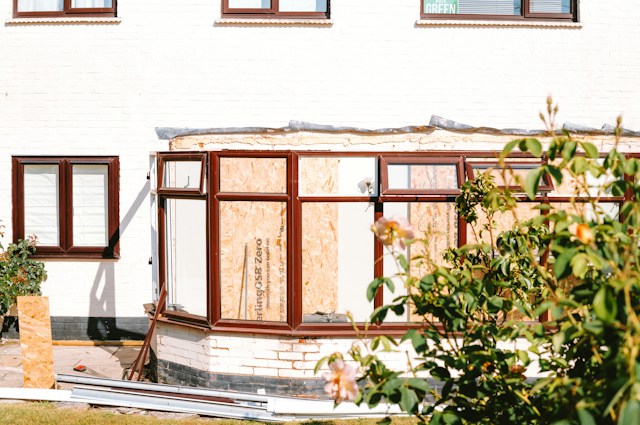
Delaying summer storm damage repairs into fall can allow minor roof, siding, gutter, and moisture problems to spread into more extensive damage. Addressing storm damage before winter can reduce repair costs, simplify insurance documentation, and protect the home from freeze-thaw conditions.
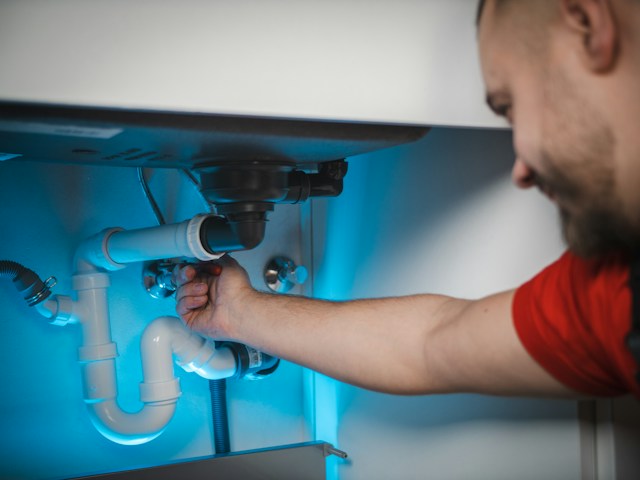
Michigan’s first freeze can expose hidden plumbing and foundation vulnerabilities, including uninsulated pipes, drainage problems, and existing cracks. Preparing these areas before temperatures drop can help prevent burst pipes, moisture intrusion, and costly winter damage.
.jpg)
A fall home inspection can uncover roof, gutter, foundation, plumbing, attic, and wildlife issues before Michigan’s winter weather makes them worse. Addressing small problems before freezing temperatures arrive can help prevent water damage, frozen pipes, structural concerns, and costly repairs.
