
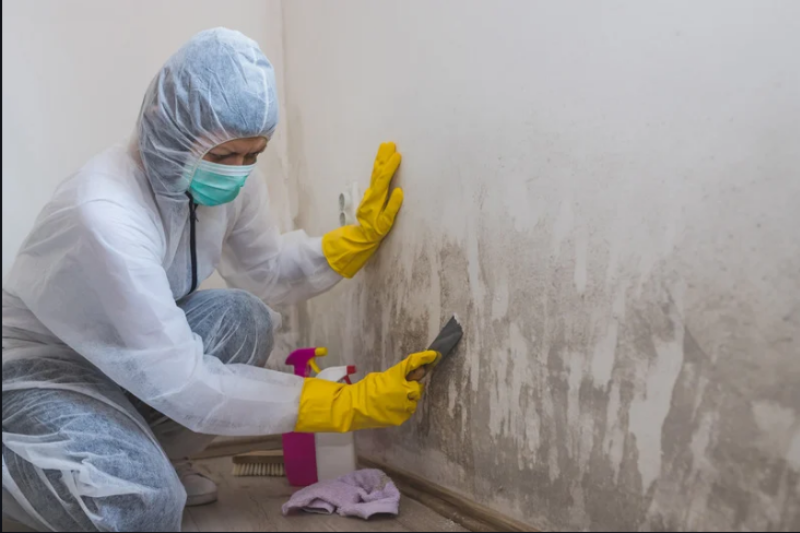
A musty smell when the furnace first turns on may point to hidden mold or moisture inside ductwork, HVAC components, or nearby building materials. Recognizing the difference between normal burning dust and persistent mold odors can help Michigan homeowners address problems before winter.
It's the first chilly night of October. You nudge the thermostat up, hear the familiar click, and feel warm air start moving through the house. A few minutes later, you catch a smell that wasn't there all summer. It's earthy and stale, a little like a damp basement that's been shut up too long.
Your furnace didn't create that smell. It simply woke up whatever has been sitting quietly in your ducts, drain pan, or wall cavities since June. Michigan summers are humid, and moisture has a way of settling into places nobody checks. For a lot of homeowners, that first heat cycle is the moment they realize something has been growing out of sight.
Southeast Michigan summers bring plenty of sticky, humid days. Most homes stay sealed up with the air conditioning running, which keeps rooms comfortable but doesn't always keep every corner dry. Basements are the biggest culprit. Cool foundation walls and heavy summer air are a natural recipe for condensation, which is why mold in Michigan basements is so common.
Your furnace shares parts with your central air system. During cooling season, a few spots tend to stay damp:
Where moisture hides during cooling season
Pulls moisture out of the air and stays wet while the AC runs.
Water can pool here if the line clogs or drains slowly.
Ducts can "sweat" when humid air meets cold metal.
Built-up dust gives mold an easy food source.
Once the blower starts, air passes over damp surfaces and travels through every supply vent in the house. Spores and musty odors ride along with it. That's why many homeowners notice the smell upstairs, even when the source is in the basement. The heating system acts like a delivery route.
Burning dust or hidden mold?
| When | Normal burning dust | Possible mold |
|---|---|---|
| The first few minutes | Dry, slightly toasty smell as dust burns off the heat exchanger | Musty, earthy, or "wet cardboard" smell |
| The first day | Fades within a few hours | Lingers or comes back each time the blower cycles on |
| The first week | Gone | Stronger near certain vents, in the morning, or on damp days |
Swipe sideways to see the full table.
By now, patterns start to appear. Pay attention if any of these sound familiar:
Sometimes your household notices before your nose does. Stuffy noses, sneezing, itchy eyes, or headaches that ease when you leave home can be worth paying attention to. Plenty of things cause these symptoms, so check with your doctor about anything persistent.
Look closely at supply vents and the larger return grilles. Dark speckling, black or green spots, or dust that looks fuzzy or clumped deserves a second look. Ordinary dust is gray and powdery. Mold often looks patterned or slightly raised.
Most homeowners never look inside the furnace area, and that's understandable. Still, a quick glance around the unit can reveal water stains, rust, or standing water near the base. A slow or clogged condensate line is one of the most common moisture sources we find.
Exposed ducts in unfinished basements are worth a flashlight check. Rust streaks, water spots, or staining on nearby floor joists can signal ongoing condensation. Insulation that looks damp, sagging, or discolored is another warning sign. Crawlspaces deserve the same attention before winter.
Ducts often run behind drywall and above ceilings. Faint stains, bubbling paint, or soft spots near vents can point to moisture inside the cavity. These are the areas where what you see is usually just a fraction of what's there.
The EPA recommends keeping relative humidity below 60%, ideally between 30% and 50%. Readings that stay high, especially in the basement, suggest moisture is still feeding the problem. If that smell has been around for a while, it may be the same issue behind a musty basement smell that isn't going away on its own.
A few notes go a long way. They help an inspector find the source faster and can be useful if an insurance claim comes into play.
Musty smell from the vents? Get a free inspection before winter closes the windows.
Call (586) 610-8608Consider scheduling an inspection if you notice:
What to expect from a Titus mold inspection
Moisture meters and thermal imaging locate where water is hiding, not just where mold appears.
You hear what needs attention, what doesn't, and why.
If needed, we handle removal, drying, and repair of affected materials like drywall or insulation.
Titus offers free inspections, and Paul stays involved from the first visit to the final walkthrough. Learn more about our mold remediation and inspection services and what to expect from a home mold inspection in Michigan.
Mold coverage varies by policy. Mold caused by a sudden, covered water event is often treated differently than mold from long-term humidity or maintenance issues. Through our insurance claim assistance, Titus can help you document the damage and work with your insurance company, so you aren't sorting through the process alone.
Yes, a burning dust smell is normal and usually fades within a few hours. A musty or earthy smell that lingers is not typical and is worth checking.
Yes. Ducts can collect dust and moisture, especially in basements and crawlspaces. Together, those give mold what it needs to grow.
No. Home heating doesn't get hot enough inside ducts to reliably kill mold. It can, however, spread spores through the house.
It depends on your policy and the cause. Mold tied to a sudden covered event may qualify, while gradual moisture often doesn't. Your policy details and an inspection report will help clarify where you stand.
Clean heat doesn't come with a scent. Once the dust burns off, the air in your home should feel warm and neutral, not heavy or stale. If something seems off, trust that instinct.
The early weeks of heating season are actually a helpful window. You'll catch problems while they're still small, long before a Michigan winter keeps the windows closed for months. A little attention now can save a lot of cleanup later.
Titus Contracting Group
If a musty smell is drifting from your vents, or you just want peace of mind before the cold sets in, the Titus team is happy to take a look. We serve Shelby Township, Rochester, Auburn Hills, Orion Township, and nearby communities with free inspections and 24/7 emergency response when something can't wait.
Follow along with our mold and moisture projects on Instagram.
Discover the latest strategies for effective water damage restoration and how our 24/7 emergency response can safeguard your home.

A kitchen remodel can still be completed before the holidays when the project scope matches the available timeline. Cosmetic updates, countertops, lighting, and other targeted improvements may fit before Thanksgiving or Christmas, while larger renovations are often better planned for the new year.
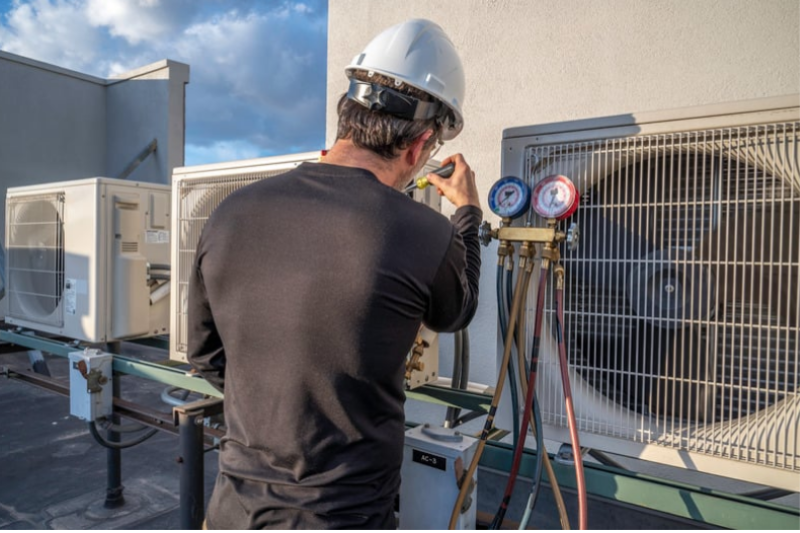
A free fall home inspection can uncover small roofing, foundation, moisture, plumbing, and wildlife problems before winter makes them worse. Addressing these issues before Michigan's freeze-thaw cycles, snow, and ice arrive can help prevent costly repairs and unexpected emergencies.

Space heaters, fireplaces, and furnaces can increase fire risks as Michigan homeowners begin heating their homes each fall. Simple precautions, routine maintenance, and recognizing early warning signs can help prevent fires, smoke damage, and costly restoration.
