
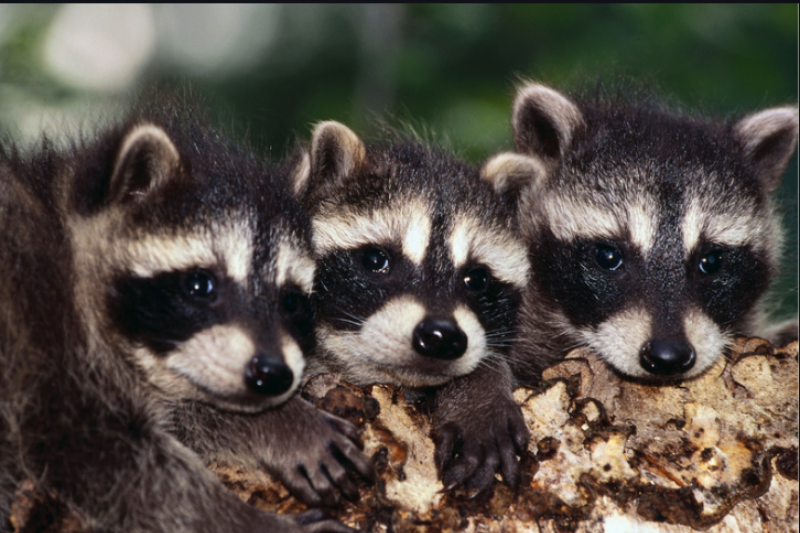
Removing wildlife from a home is only the first step in resolving the problem. Animals often leave behind contamination, damaged insulation, structural issues, and persistent odors that can continue affecting the home long after they are gone. Professional wildlife damage restoration helps restore safety, energy efficiency, indoor air quality, and structural integrity.
Most homeowners feel a wave of relief the moment the wildlife removal company packs up and leaves. The raccoons are gone. The entry point is sealed. The scratching in the walls has finally stopped. It's easy, and completely understandable, to treat that moment as the finish line.
But the animals leaving is only half the story. What they leave behind is a problem all its own, and in many cases, it's one that gets worse the longer it sits. Wildlife don't just pass through a home, they nest in it, urinate in it, defecate in it, and chew through it. By the time you notice them, they've often been there for weeks or months. The damage embedded in your attic, walls, and structural materials doesn't disappear when the animals do.
That's the gap between wildlife removal and wildlife damage restoration, and it's a gap that costs Michigan homeowners far more than they expect when it gets overlooked.
Animal waste is one of the most serious byproducts of a wildlife intrusion, and it's also one of the most underestimated. Raccoon feces, for example, can carry Baylisascaris, a roundworm that's dangerous to humans. Rodent droppings are associated with Hantavirus. Bird and bat guano can harbor Histoplasma capsulatum, the fungus responsible for histoplasmosis, a respiratory illness that can be severe. These aren't edge cases, they're documented health risks tied directly to wildlife waste in enclosed spaces.
Beyond the health concerns, animal urine is particularly destructive. It doesn't dry clean. It soaks into wood, insulation, and drywall, and once it penetrates those materials, surface cleaning doesn't reach it. The contamination goes wherever the liquid went, which is often much further than what's visible on the surface.
A few things homeowners should understand about wildlife contamination:
Professional attic cleanup services exist specifically to address this. The process involves full protective gear, proper bagging and disposal of contaminated materials, treatment of affected surfaces, and verification that the contamination has been fully removed.
Insulation is one of the first things animals go after. It's warm, it compresses into a workable nesting material, and for rodents, it can be chewed apart and redistributed throughout a space. Raccoons will tear it up entirely to build nests. Squirrels and mice burrow into it. Bats roost above it and contaminate it with guano over time.
The result is insulation that no longer performs the way it should. Compressed or destroyed insulation loses its R-value, which is the measure of thermal resistance that determines how well it keeps your home warm in winter and cool in summer. Even modest insulation damage translates to real energy loss, and homeowners often notice higher heating and cooling bills without connecting them to the wildlife damage in their attic.
What makes insulation damage particularly complicated after a wildlife intrusion:
Insulation replacement after wildlife damage is a core part of what animal damage repair contractors handle. It's not just about replacing the material, it's about ensuring the attic is clean, decontaminated, and properly restored before anything new goes in.
If you've ever had a wildlife intrusion and noticed the smell lingering long after the animals left, you already know how persistent it can be. That's not a cleaning problem. It's a material penetration problem.
Animal odors, particularly from urine, embed themselves into porous surfaces: wood, drywall, concrete, and insulation. Once the odor compounds are absorbed into those materials, surface sprays and air fresheners don't reach them. The smell keeps releasing because the source is still there, locked inside the material itself.
This matters for a few reasons:
Wildlife damage restoration and wildlife removal are two different services, and not every company that does one does the other. A removal company's job is to get the animals out and seal the entry points. A restoration contractor's job is everything that comes after: full inspection of the damage, contamination removal, insulation replacement, structural repair, odor treatment, and final cleanup.
What a complete wildlife damage restoration scope typically includes:
At Titus Contracting Group, we approach wildlife damage the same way we approach any restoration project: start with a thorough inspection, document everything, and restore the home to the condition it was in before the damage happened. We work directly with insurance companies and help homeowners navigate the claim process so they're not left managing that on their own. Free inspections are available across our Michigan service areas, and we're available around the clock when the situation can't wait.
There's a reason so many homeowners are surprised by what a wildlife intrusion actually costs to properly address. The removal is the part that gets scheduled and completed. The restoration is the part that gets deferred, underestimated, or skipped entirely because the immediate problem, the animals, is gone.
But the home doesn't know the animals have left. The urine is still in the insulation. The chewed framing is still weakened. The odor compounds are still embedded in the wood. The conditions that lead to mold, re-entry, and secondary damage are still developing. From the home's perspective, nothing has changed yet.
Proper restoration closes that gap. It addresses what the animals did to the structure, the insulation, and the air quality of the home, and it does so in a way that leaves the home genuinely clean and repaired rather than just visually tidy. That's a meaningful distinction, especially for families living in the space, and especially when an insurance claim is on the table.
If you've had wildlife removed from your home and haven't had a professional restoration assessment, now is the time to get one. The sooner the damage is documented and addressed, the better the outcome for both the home and any insurance claim.
Titus Contracting Group provides full wildlife damage restoration services across Michigan, including attic cleanup, insulation replacement, structural repair, odor remediation, and insurance claim assistance. We offer free inspections so you know exactly what you're dealing with before any decisions are made.
Discover the latest strategies for effective water damage restoration and how our 24/7 emergency response can safeguard your home.
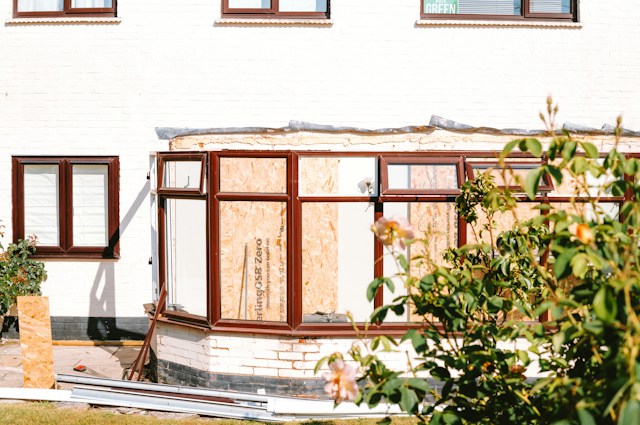
Delaying summer storm damage repairs into fall can allow minor roof, siding, gutter, and moisture problems to spread into more extensive damage. Addressing storm damage before winter can reduce repair costs, simplify insurance documentation, and protect the home from freeze-thaw conditions.
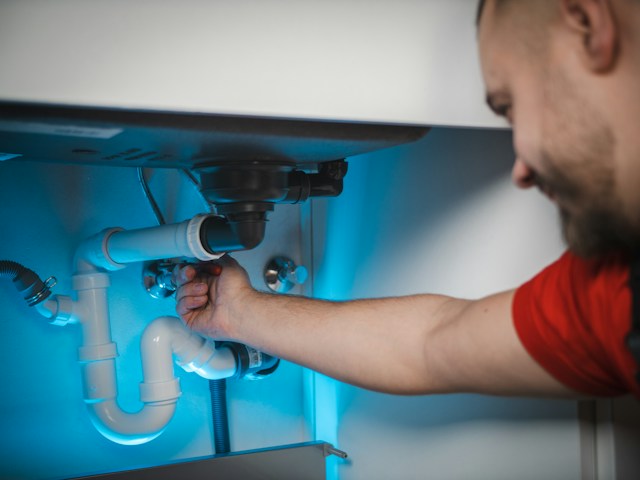
Michigan’s first freeze can expose hidden plumbing and foundation vulnerabilities, including uninsulated pipes, drainage problems, and existing cracks. Preparing these areas before temperatures drop can help prevent burst pipes, moisture intrusion, and costly winter damage.
.jpg)
A fall home inspection can uncover roof, gutter, foundation, plumbing, attic, and wildlife issues before Michigan’s winter weather makes them worse. Addressing small problems before freezing temperatures arrive can help prevent water damage, frozen pipes, structural concerns, and costly repairs.
