
A free fall home inspection can uncover small roofing, foundation, moisture, plumbing, and wildlife problems before winter makes them worse. Addressing these issues before Michigan's freeze-thaw cycles, snow, and ice arrive can help prevent costly repairs and unexpected emergencies.
It usually starts with something minor. You're raking leaves or clearing the gutters, and you notice a shingle that looks a little off. Maybe there's a faint brown ring on the bathroom ceiling that wasn't there last spring. You make a mental note to deal with it later.
In Michigan, later means months of snow, ice, and temperatures that swing above and below freezing. Each of those swings puts pressure on whatever is already loose, cracked, or damp. A problem that takes an afternoon to fix in October can take weeks to undo by March. By then, the bill usually looks very different. If you've already worked through our fall home inspection checklist, this is the next step: knowing what waiting really costs.
Water expands by roughly 9% when it freezes. When moisture seeps into a crack and then freezes, it pushes that crack a little wider. When it thaws, more water gets in. Then the cycle repeats. Here's more on what freeze-thaw cycles do to Michigan foundations.
Michigan winters bring this back-and-forth over and over. Across a single season, a hairline gap can become an open path for water. Common trouble spots include:
Ice dams form when warm air from your attic melts snow on the upper part of the roof. That water runs down to the colder edge, where it refreezes into a ridge of ice. More meltwater backs up behind it with nowhere to go.
Eventually that water works its way under the shingles and into the roof deck. From there it can soak insulation, stain ceilings, and seep into wall cavities. Clogged gutters, poor attic ventilation, and gaps in insulation all make ice dams and roof leaks more likely.
October fix vs. March repair
| Problem | Fix it in October | Wait until March |
|---|---|---|
| Loose shingle or flashing gap | A few shingles resecured or replaced, or flashing resealed. Usually a short visit. | Wet insulation, stained or sagging drywall, damaged roof decking, and mold on attic framing |
| Hairline foundation crack | Seal and monitor the crack; adjust gutters and grading | Widened crack, water inside, ruined carpet, swollen baseboards, wet drywall, and musty odors |
| Small wildlife entry point | Seal the gap at the soffit, vent, or roofline before anything moves in | Contaminated insulation, chewed wiring, droppings, and enlarged openings |
| Slow plumbing leak or exposed pipe | Repair the drip and insulate pipes in crawl spaces, garages, and exterior walls | A frozen, split pipe and a flooded room |
Swipe sideways to see the full table.
Months of snowmelt and ice dams can push water through even a small gap. By spring you may be dealing with:
Freeze-thaw cycles widen the crack. When the snow melts and spring rain arrives, water finds its way inside. Finished basements take the biggest hit, often requiring professional water damage cleanup.
Fall is when raccoons, squirrels, and other animals start looking for a warm place to spend the winter. An open gap is an invitation. After a season inside, they can leave behind torn insulation, chewed wiring, droppings, and enlarged openings that let in water and cold air. Our animal damage services handle both the exclusion and the repairs.
A pipe that freezes during a cold snap can split, and even a small break can release a lot of water in a short time. Insurance Information Institute data puts the average water damage and freezing claim at more than $12,000. That number doesn't include the stress, the disruption, or the weeks of drying and rebuilding.
Learn more in our Michigan homeowner's guide to frozen pipes and water damage.
Spot something that can't wait? Book your free pre-winter inspection now.
Call (586) 610-8608Your free inspection, step by step
Roof surfaces, flashing, vents, and chimney areas; gutters and downspouts; grading around the foundation; siding, soffits, and fascia; and any gaps that could let animals in.
Attics, basements, crawl spaces, and the ceilings below bathrooms and roof valleys, using moisture detection tools to find dampness before it becomes a stain.
Paul walks you through what needs attention now, what can wait until spring, and what's perfectly fine. No jargon, no scare tactics.
Homeowners who have worked with Titus tend to mention the same things. Paul explains clearly, keeps people in the loop, and follows through. That approach starts with the very first visit.
The inspection costs nothing, and there's no obligation to hire us afterward. You get an honest picture of your home's condition. What you do with that information is entirely up to you.
If we find something that needs work, you'll get a clear explanation of your options. If we don't, you head into winter with real peace of mind instead of a guess.
Three reasons to book now
Roofing materials, sealants, and caulk need certain temperatures to bond and cure. Waiting until December can mean waiting until April.
Once the first big storm hits, burst pipes and active leaks take priority. Booking in fall puts you ahead of the rush.
Knowing your home's condition before winter gives you a starting point if a storm or freeze causes damage later.
Homeowners insurance generally treats sudden, accidental damage differently from gradual wear and tear. Damage tied to long-term deterioration or lack of maintenance is often excluded, though coverage varies by policy.
If a storm or freeze causes damage later, a recent inspection can help show what changed. Should you ever need to file a claim, Titus offers insurance claim assistance and can work directly with your adjuster. It's always smart to check with your insurance provider about what your specific policy covers.
Scratching or thumping in the attic or walls at night often points to wildlife. A dripping sound with no obvious source can mean a hidden leak. A water bill that jumps for no clear reason is worth investigating too. See why fall is the best time to catch hidden water damage.
There's a special kind of comfort in watching the first big snowfall from a home you know is in good shape. You're not lying awake wondering about that stain or listening for drips during a cold snap. You already know what's going on, and anything that needed attention has been handled.
A free inspection asks for very little of your time. In return, it helps protect what is likely the biggest investment you'll ever make. Small repairs stay small when they're caught early, and fall is your best chance this year to catch them.
Titus Contracting Group
Titus Contracting Group serves homeowners in Shelby Township, Rochester, Auburn Hills, Orion Township, Oakland Charter Township, and nearby communities. Along with free inspections, we offer 24/7 emergency response and hands-on help with insurance claims.
See our latest pre-winter repairs on Instagram.
Discover the latest strategies for effective water damage restoration and how our 24/7 emergency response can safeguard your home.

A kitchen remodel can still be completed before the holidays when the project scope matches the available timeline. Cosmetic updates, countertops, lighting, and other targeted improvements may fit before Thanksgiving or Christmas, while larger renovations are often better planned for the new year.
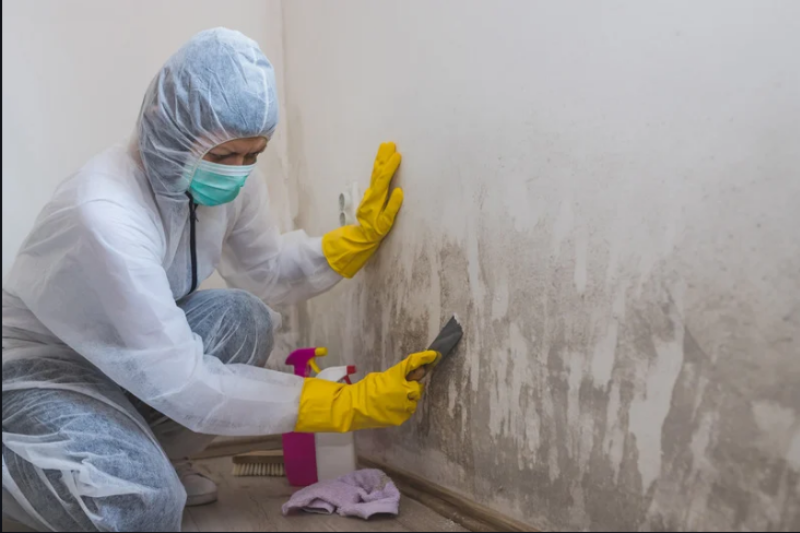
A musty smell when the furnace first turns on may point to hidden mold or moisture inside ductwork, HVAC components, or nearby building materials. Recognizing the difference between normal burning dust and persistent mold odors can help Michigan homeowners address problems before winter.

Space heaters, fireplaces, and furnaces can increase fire risks as Michigan homeowners begin heating their homes each fall. Simple precautions, routine maintenance, and recognizing early warning signs can help prevent fires, smoke damage, and costly restoration.
