

Raccoons, squirrels, and bats can cause significant attic, roofline, insulation, wiring, and sanitation damage before homeowners realize wildlife has moved in. Recognizing early warning signs like scratching, odors, droppings, and damaged soffits can help prevent more extensive repairs.
A scratching sound in the attic at 2 a.m. rarely feels like an emergency. It sounds more like an inconvenience, something to deal with later once the weather cools down or the schedule opens up. By the time most homeowners actually look into it, though, the animal responsible has usually been living there for weeks.
Summer is when this pattern shows up most in Oakland and Macomb County homes. Spring litters of raccoons and squirrels have grown large enough to move around on their own, and bat colonies are often at their peak activity in rooflines and soffits. What looks like a minor noise complaint in June can quietly become a much bigger repair by August.
Spring litters born in March and April are now juveniles by summer. That means more movement, more noise, and more wear on the space they've been living in. A single raccoon denning quietly in April can turn into a family of four tearing through insulation by July.
Attics and crawlspaces offer shade, insulation, and protection from the heat. For wildlife looking to escape rising temperatures, a Michigan attic in July can look like prime real estate. This is part of why our team sees a steady rise in animal damage calls once summer sets in.
Some of the conditions that make homes especially attractive during this season include:
Raccoons are strong, persistent, and surprisingly good at making themselves comfortable once they get inside. Homeowners often notice the sound before anything else, but the physical signs are just as telling if you know what to look for.
Raccoons are most active at night, so heavy thumping or rolling sounds in the attic after dark are a common first clue. Chimneys are another favorite spot, especially for a mother raccoon looking for a safe place to den. If the noise seems to move around or gets louder over a few nights, that usually means the animal is settling in rather than passing through.
Raccoon damage often starts small and stays hidden until it isn't. Some of the early signs worth watching for include:
Raccoons tend to return to the same denning spot night after night. Each trip in and out widens the entry point a little more, which invites more moisture and pests over time. What starts as a small gap in the fascia board can turn into a repeated access point that's much harder and more expensive to seal properly.
Unlike raccoons, squirrels are usually active during the day. Scratching, scurrying, or light gnawing sounds coming from the walls or ceiling in daylight hours are a strong indicator. Many homeowners describe it as sounding like something is running back and forth along the same path repeatedly.
Squirrels need to gnaw constantly to keep their teeth from overgrowing, and that habit doesn't stop once they're inside your home. This creates two serious concerns:
Squirrels can fit through gaps as small as an inch and a half. That's smaller than most people expect, which is why homeowners are often surprised when an inspection turns up an entry point they never would have noticed on their own. A gap that small near a roofline or vent is easy to miss during a casual walk around the house.
Bats are nocturnal, small, and tend to squeeze into tight spaces like soffits, rooflines, and gaps behind fascia boards. There's rarely loud noise involved, and the entry points are often too small to spot from the ground. Many homeowners only discover a colony because of a smell or a stain, not because they heard anything unusual.
Bat droppings, known as guano, accumulate quickly in a colony setting. This creates a few specific problems:
Bat exclusion work is seasonally restricted in Michigan to protect maternity colonies during certain months. This means timing matters more with bats than with raccoons or squirrels. A professional inspection can confirm what's legally possible right now and what needs to wait, so you're not left guessing.
Quick reference: early warning signs vs. advanced damage
Early signs:
Advanced signs:
We see the same few mistakes come up again and again, and they usually end up costing more in the long run.
The first step is confirming what species is involved and where it's been active. Raccoons, squirrels, and bats all require different approaches, so identification shapes everything that follows. This is also where hidden damage often gets discovered for the first time.
Once the animal is safely removed, every entry point needs to be sealed properly. This isn't just patching the obvious hole. It means checking nearby areas for additional weak points the animal may have used or widened.
The final step covers the parts homeowners usually don't think about until they see them. That includes replacing damaged insulation, repairing chewed wiring or wood, and sanitizing any area affected by droppings. Because our team handles both the restoration and remodeling side, we can move straight from exclusion into repair without pausing to bring in another contractor.
Most wildlife damage doesn't start as a crisis. It starts as a small sound, a faint smell, or a gap near the roofline that seems easy enough to ignore for now. Summer is exactly the season when those small signs are most likely to show up, and it's also the best window to deal with them before they turn into something structural.
Paul and our team believe homeowners deserve a straight answer about what's actually happening in their attic, not guesswork. That's why every inspection focuses on giving you clear information you can actually use, whether that means peace of mind or a real plan to move forward. Catching these issues early almost always means a simpler, less costly fix.
If you've noticed a sound, a smell, or a spot that doesn't look quite right, it's worth having someone take a real look. We offer free inspections across Shelby Township, Rochester, Auburn Hills, Orion Township, and the surrounding Oakland and Macomb County communities, with 24/7 emergency response when you need it most.
Don't wait for a small sound to become a serious repair. Reach out to our team today and let us help you figure out exactly what's going on.
📞 (586) 610-8608 🔗 tituscontractinggroup.com
Discover the latest strategies for effective water damage restoration and how our 24/7 emergency response can safeguard your home.
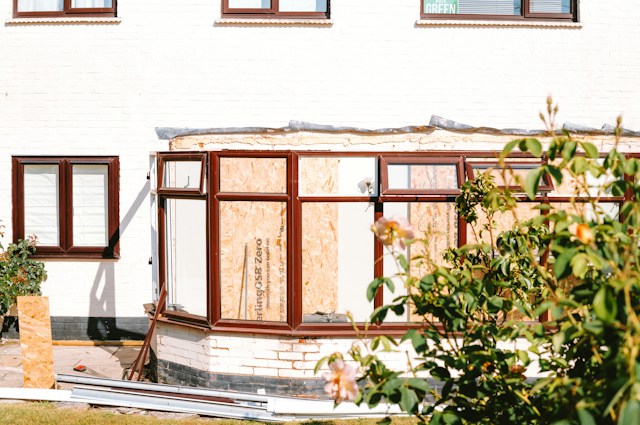
Delaying summer storm damage repairs into fall can allow minor roof, siding, gutter, and moisture problems to spread into more extensive damage. Addressing storm damage before winter can reduce repair costs, simplify insurance documentation, and protect the home from freeze-thaw conditions.
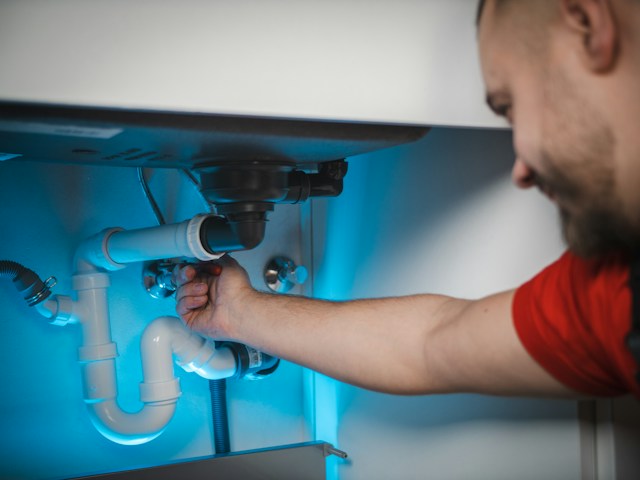
Michigan’s first freeze can expose hidden plumbing and foundation vulnerabilities, including uninsulated pipes, drainage problems, and existing cracks. Preparing these areas before temperatures drop can help prevent burst pipes, moisture intrusion, and costly winter damage.
.jpg)
A fall home inspection can uncover roof, gutter, foundation, plumbing, attic, and wildlife issues before Michigan’s winter weather makes them worse. Addressing small problems before freezing temperatures arrive can help prevent water damage, frozen pipes, structural concerns, and costly repairs.
