
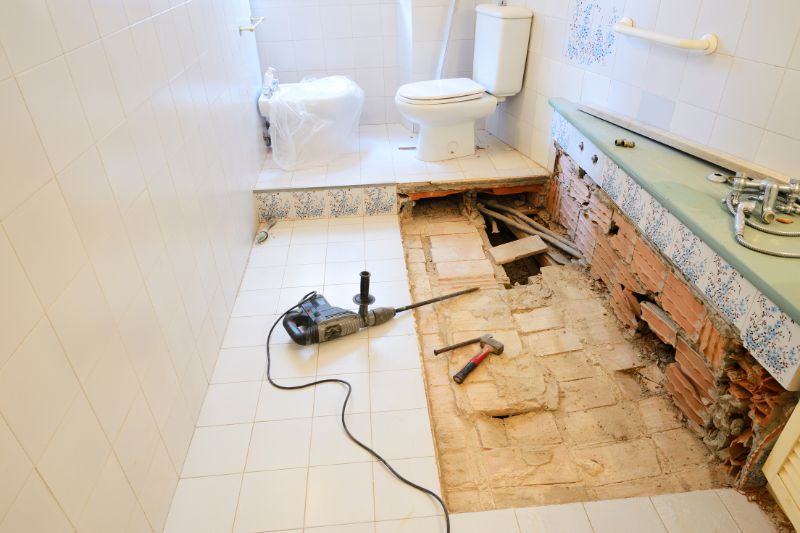
Moisture in bathrooms can silently damage subfloors, framing, and drywall long before a remodel reveals the problem. Look for warped or discolored flooring, soft spots, musty odors, and deteriorated grout or caulk. Check behind shower walls, under tubs, around toilets, and beneath vanities for hidden leaks. Addressing water damage before installing new materials prevents mold growth, structural failures, and expensive redo projects down the line.
Bathrooms are one of the most heavily used—and most water-exposed—areas in any Michigan home. Between daily showers, steamy baths, and constant handwashing, moisture is a fact of life. Over time, even a small leak or poor ventilation can lead to significant hidden damage. And often, the signs of that damage don’t show themselves until it’s too late—or until you start tearing out tile during a remodel.
It’s not uncommon for homeowners to begin a bathroom renovation excited about new fixtures, fresh tile, and modern upgrades, only to discover soggy subflooring, black-streaked drywall, or even mold growth lurking behind the walls. These surprises are more than just frustrating—they can delay your project, drive up costs, and force you to make hard decisions about repairs vs. cosmetic improvements.
Have you noticed tiles lifting or laminate edges curling near your bathroom’s water sources? Flooring that warps, buckles, or shows signs of discoloration is often a red flag for ongoing water intrusion. Moisture may be seeping up from below, especially if the subfloor has been slowly absorbing leaks from faulty plumbing or poor sealing around fixtures.
When you walk across the bathroom and feel an area that’s noticeably soft or “spongy,” that’s more than just wear and tear—it’s likely the result of rotting subflooring due to prolonged moisture exposure. Subfloor damage is especially common around toilets, under bathtubs, or beneath vanities where leaks may go unnoticed for months or years.
If your bathroom smells musty no matter how often you clean it, there’s a good chance that mold or mildew is growing behind walls or under the floor. These odors are often the only early sign of a much deeper issue. During a remodel, that smell should be a red flag that prompts a thorough inspection of surrounding materials.
Over time, the seals around your tub, shower, and sinks begin to break down. Cracked or crumbling grout and missing caulk allow water to slip behind surfaces with every use. While this may seem minor on the surface, the damage behind the tile can be extensive if the waterproofing barrier has failed. During demolition, you may uncover black spots, warped wallboard, or even visible mold growth—signs that moisture has been trapped for a long time.
If your upstairs bathroom sits above a kitchen or living space, keep an eye out for yellow or brown water stains on the ceiling below. These typically point to slow leaks from bathtubs, toilets, or plumbing connections. Even if the leak stopped long ago, the ceiling stain may still indicate deeper moisture damage hidden between floors.
When walls or ceilings start to bubble, peel, or blister, that’s often due to moisture trapped behind the surface. High humidity levels can contribute, but persistent bubbling or peeling in one area may suggest an active leak inside the wall. This is especially true in bathrooms with poor ventilation or aging plumbing.
The space behind your shower walls is one of the most vulnerable spots in your bathroom. Over time, cracked tiles, degraded grout lines, or old plumbing joints can allow moisture to seep into the wall cavity. If the waterproofing membrane behind the tile has failed—or worse, wasn’t installed at all—water will begin to rot the drywall, feed mold growth, and eventually reach framing or insulation. Most homeowners don’t know there’s a problem until they demo the wall or start smelling mildew.
Tubs and shower pans are designed to hold water, but a compromised drain, poor sealant, or worn gasket can allow water to leak through the base into the floor below. Because these areas are hidden from view, slow leaks can persist for months or even years—weakening subflooring, attracting pests, and fueling mold colonies beneath your feet. This type of damage is especially common in homes with fiberglass inserts or older cast iron tubs.
The toilet may seem like a simple fixture, but it’s one of the most frequent sources of subfloor damage in bathrooms. The wax ring beneath the base of the toilet is supposed to create a watertight seal. However, over time it can dry out, crack, or become misaligned—allowing water to seep into the floorboards below. Because toilet leaks are usually slow and silent, the damage often isn’t discovered until the flooring starts to feel soft or spongy during a remodel.
Bathroom vanities may look perfectly dry on the outside while leaking pipes or worn-out supply line connectors quietly cause damage beneath. These leaks may be so slow they go unnoticed for months, but over time, moisture buildup can lead to swollen cabinetry, damaged drywall, and even mold behind the vanity. If your vanity base shows signs of warping, discoloration, or a musty smell, it’s time to investigate further.
You may never see them, but pinhole leaks in copper pipes or slow seepage from joints inside the wall can release just enough water to cause major damage over time. These kinds of leaks are particularly dangerous because they often occur in pressurized supply lines and can run continuously. By the time the moisture shows up as a stain or peeling paint, the insulation and studs behind the wall may already be saturated and moldy.
The most expensive repairs often stem from water damage to your subfloor and joists. These structural elements form the foundation of your bathroom, and if they become compromised by hidden moisture, you could be looking at a full tear-out and rebuild. Over time, damp wood loses its strength, becomes a magnet for mold, and may even begin to sag—affecting not just your bathroom but adjacent rooms as well.
Your tilework, cabinets, and new fixtures are only as good as what’s underneath them. If water-damaged subflooring, damp drywall, or soft framing is left unaddressed, your renovation is being built on a ticking time bomb. Even a minor issue today can evolve into major repair work down the line.
Before any materials are installed, it’s critical to:
At Titus Contracting, we’ve seen countless cases where skipping these steps led to serious—and avoidable—consequences.
One of the biggest risks during a bathroom renovation is unknowingly sealing in moisture beneath new materials. For example:
Moisture that’s trapped beneath the surface doesn’t go away—it festers. And when it finally reveals itself, you’ll likely need to rip out all your hard work to fix it.
Hidden water damage doesn’t just stay put. Once moisture is sealed in:
What starts as a minor oversight can snowball into a full remediation project that involves mold abatement, demolition, drying, reconstruction, and yet another round of remodeling.
Bathroom renovations are an exciting opportunity to transform one of the most-used spaces in your home—but underneath the surface, water damage may be waiting to derail your plans. It’s easy to overlook soft subfloors, damp drywall, or minor plumbing leaks when you’re focused on new finishes and fixtures. But missing those signs now can lead to thousands of dollars in repairs down the road.
That’s why every bathroom remodel should begin with a thorough check for moisture. Whether you’re doing a full gut renovation or just swapping out vanities and tile, remodeling is your best chance to uncover and fix hidden water damage before it spreads, molds, or weakens your home’s structure.
If you're planning a bathroom update in Bruce Township, Rochester, Orion Charter Township, Auburn Hills, Oakland Charter Township, or Shelby Township, don't leave your investment to chance. Let us help you remodel with confidence—starting with a dry, safe, and structurally sound foundation.
Discover the latest strategies for effective water damage restoration and how our 24/7 emergency response can safeguard your home.
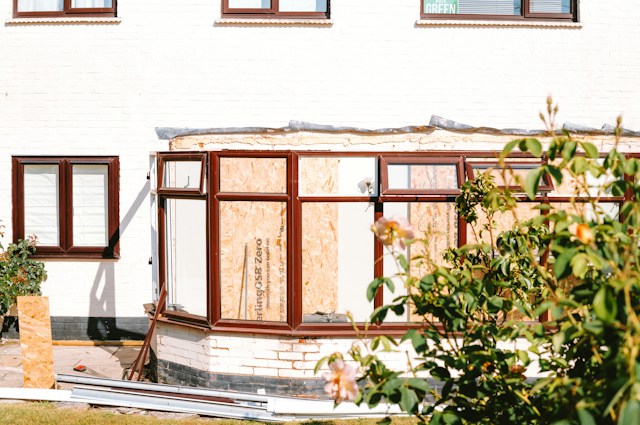
Delaying summer storm damage repairs into fall can allow minor roof, siding, gutter, and moisture problems to spread into more extensive damage. Addressing storm damage before winter can reduce repair costs, simplify insurance documentation, and protect the home from freeze-thaw conditions.
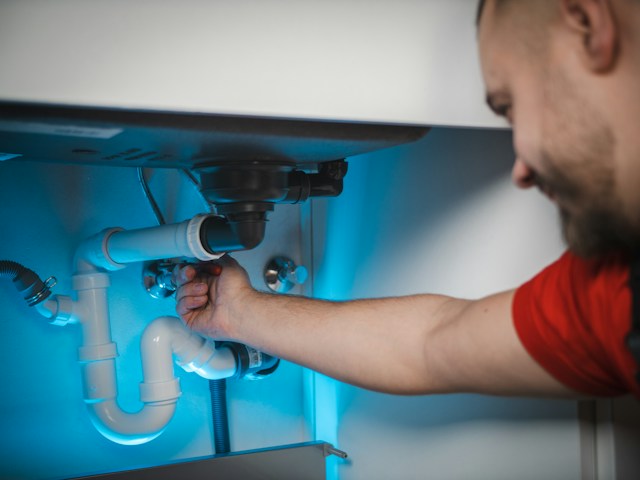
Michigan’s first freeze can expose hidden plumbing and foundation vulnerabilities, including uninsulated pipes, drainage problems, and existing cracks. Preparing these areas before temperatures drop can help prevent burst pipes, moisture intrusion, and costly winter damage.
.jpg)
A fall home inspection can uncover roof, gutter, foundation, plumbing, attic, and wildlife issues before Michigan’s winter weather makes them worse. Addressing small problems before freezing temperatures arrive can help prevent water damage, frozen pipes, structural concerns, and costly repairs.
