

Michigan homes face threats from more than just bats and squirrels. Raccoons tear through roofs and leave hazardous waste, while skunks burrow under decks, spreading odor and disease. Birds, rodents, and groundhogs quietly cause hidden structural and health risks, and even coyotes can endanger pets and property. Recognizing the signs early and relying on professional wildlife control is key to protecting your home, health, and peace of mind.
When it comes to wildlife problems in Michigan homes, bats in the attic and squirrels in the eaves tend to steal the spotlight — and for good reason. These critters are notorious for their seasonal invasions, and most homeowners have heard (or experienced) the telltale signs: scratching in the ceiling, chewed wires, and piles of droppings near insulation. But what many property owners don’t realize is that they’re only part of the story.
Michigan’s diverse wildlife population includes several other species that can wreak havoc on homes and property — often without being noticed until it’s too late. From raccoons tearing into your roofline, to skunks spraying under your deck, to groundhogs tunneling beneath your foundation, these invaders may not always nest in your attic, but they pose serious risks to your structure, your health, and your peace of mind.
And because many homeowners don’t expect these animals — or aren’t sure what they’re dealing with — it’s common to delay action until the contamination spreads or the repairs become more complex (and costly).
Raccoons may look cute from a distance, but don’t be fooled — these clever creatures are one of the most destructive nuisance animals Michigan homeowners face. Raccoons are problem-solvers with strong paws and jaws, making them capable of tearing through roofing materials, soffits, attic vents, and even chimney caps to get inside your home.
Once in, they’re not just temporary visitors. Raccoons love to nest in attics, garages, and crawlspaces, ripping up insulation for bedding and defecating in centralized “latrines” — which can cause long-term contamination and odor.
Raccoons are also carriers of leptospirosis, raccoon roundworm, and parasites like fleas and ticks. Their feces contain harmful bacteria and can be dangerous to clean up without proper protective equipment. The contamination they leave behind often requires professional biohazard cleanup, not just surface disinfection.
If you suspect a raccoon is nesting inside your home, do not attempt to confront or trap it yourself. Raccoons can be aggressive, especially mothers with young, and they are powerful enough to injure pets or damage traps. Titus Contracting partners with licensed wildlife control operators to safely remove raccoons, followed by full decontamination and repair of the entry damage.
Michigan homeowners are all too familiar with the unmistakable smell of skunk spray — but what many don’t realize is that skunks can do much more than stink up your yard. These burrowing animals love to dig beneath porches, sheds, decks, and crawlspaces, creating dens that can weaken structural supports and invite other pests.
Skunks are known carriers of rabies, distemper, and internal parasites, and their potent spray isn’t just unpleasant — it can cause temporary blindness and respiratory irritation, especially for children and pets. The oily musk also saturates porous materials like wood, insulation, and drywall, making it difficult (and expensive) to remove without professional-grade odor neutralization.
Never attempt to trap or relocate a skunk yourself. The risk of being sprayed — or bitten by a rabid skunk — is simply too high. Titus Contracting coordinates with wildlife control experts to humanely and legally remove skunks, then repairs any foundation damage and seals off burrows to prevent future nesting.
Birds may not seem like a major threat, but in the wrong place, they can be just as problematic as larger animals. In Michigan, pigeons, starlings, and sparrows often build nests inside dryer vents, soffits, attic fans, and chimneys. These nests can lead to blocked airflow, fire hazards, and corrosive droppings that damage siding and painted surfaces.
Bird droppings are more than just messy — they’re a serious health hazard. Common risks include:
Bird removal can be tricky — many species are protected under Michigan and federal law, which restricts how and when nests can be removed. Titus Contracting ensures all removals follow DNR guidelines, and we provide vent cleaning, odor remediation, and entry-point sealing to prevent re-nesting.
They may be tiny, but mice and rats can cause some of the most widespread, hidden damage inside your Michigan home. Because they’re nocturnal, fast, and able to squeeze through holes as small as a dime, most homeowners don’t realize they have a rodent problem until it’s already an infestation.
These pests commonly infiltrate attics, basements, pantries, and crawlspaces, especially during fall and winter when outdoor temperatures drop. Once inside, they multiply rapidly and begin gnawing on everything in sight — from electrical wiring to insulation to food packaging.
Rodents are notorious carriers of disease, and their waste is particularly hazardous. Risks include:
If you're catching mice but keep seeing signs, traps alone won’t solve the problem. Rodents are clever and persistent. Titus Contracting provides comprehensive rodent remediation, including:
Groundhogs — also known as woodchucks — are stealthy diggers that can cause major problems around your home’s foundation, porch, shed, or deck. While they don’t often enter attics or living areas, their underground activity can be just as destructive as indoor pests.
These strong burrowers excavate large tunnel systems that destabilize soil and concrete, putting your home’s structural supports at risk. Groundhogs are most active in spring and summer and are often spotted during the daytime, making them easier to identify than other pests.
Attempting to fill in a burrow or trap a groundhog without expertise can backfire. Titus Contracting partners with trapping professionals to safely remove the animal, then we:
Michigan’s expanding suburban and rural developments have led to more wildlife-human encounters — including some with larger predators like coyotes. While coyotes don’t typically invade homes like rodents or raccoons, they are becoming more bold and common in neighborhoods near wooded areas, farms, or open fields.
Coyotes pose a serious threat to pets, livestock, and outdoor safety, especially if they’re denning under decks or sheds or hunting in residential backyards.
Coyote sightings that are frequent, aggressive, or near livestock should be reported to:
Titus Contracting steps in after the removal process to:
In Michigan, nuisance wildlife isn't just a seasonal issue — it’s a year-round threat. While bats and squirrels often steal the spotlight, raccoons, skunks, mice, birds, groundhogs, and even coyotes can quietly cause extensive structural and health-related damage to your home.
The signs are often subtle at first: scratching in the walls, disturbed soil near your porch, a lingering odor in your attic, or mysterious chewed wires. But if ignored, these small signs can snowball into major repairs, health risks, and costly cleanups.
That’s why it’s critical to act fast. Don’t assume the animals will “move on” or that setting a few traps will fix the problem. Wildlife infestations require more than removal — they demand complete restoration.
Discover the latest strategies for effective water damage restoration and how our 24/7 emergency response can safeguard your home.
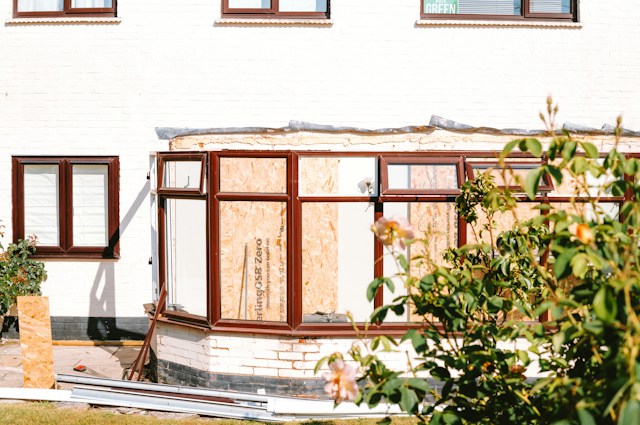
Delaying summer storm damage repairs into fall can allow minor roof, siding, gutter, and moisture problems to spread into more extensive damage. Addressing storm damage before winter can reduce repair costs, simplify insurance documentation, and protect the home from freeze-thaw conditions.
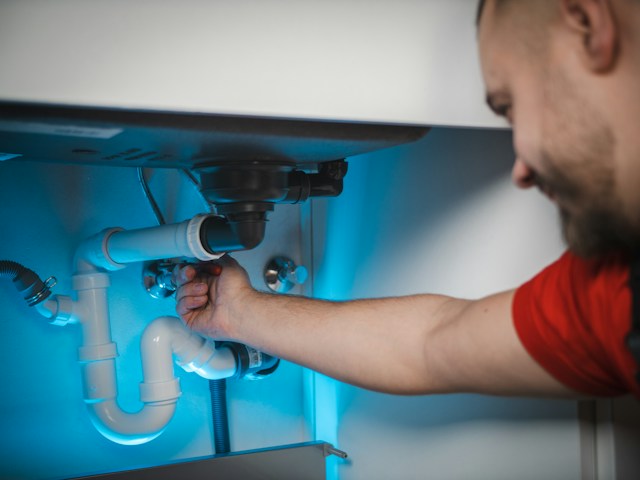
Michigan’s first freeze can expose hidden plumbing and foundation vulnerabilities, including uninsulated pipes, drainage problems, and existing cracks. Preparing these areas before temperatures drop can help prevent burst pipes, moisture intrusion, and costly winter damage.
.jpg)
A fall home inspection can uncover roof, gutter, foundation, plumbing, attic, and wildlife issues before Michigan’s winter weather makes them worse. Addressing small problems before freezing temperatures arrive can help prevent water damage, frozen pipes, structural concerns, and costly repairs.
