

Heavy spring rain in Michigan can place serious stress on foundations, basements, and other vulnerable areas of a home. Water intrusion may lead to flooding, mold growth, structural movement, and hidden moisture damage that worsens over time if left untreated. Early inspections and professional restoration help homeowners identify problems quickly and prevent small issues from turning into major repairs.
May in Michigan is unpredictable. Warm fronts push up from the south, cold air lingers longer than it should, and the result is often days of steady, heavy rain falling on ground that is already saturated from snowmelt. For most homeowners, a rainy week is an inconvenience. For a home with any vulnerability in its foundation, drainage, or exterior envelope, it can be the beginning of a serious problem.
The connection between a spring rainstorm and foundation damage isn't always obvious. Water doesn't announce itself when it starts moving through a wall cavity or building pressure against a concrete block foundation. By the time a homeowner notices something — a damp smell, a small crack, a wet corner of the basement — the process has usually been underway for a while.
Understanding how May storms affect your home is the first step toward catching problems early and protecting one of your most significant investments.
Not all basement water problems are the same. Seepage typically refers to water migrating slowly through porous concrete or small cracks — often appearing as damp walls or minor pooling after heavy rain. Hydrostatic pressure is more serious. When water-saturated soil builds up enough pressure against a foundation wall, it can force water through cracks, joints, and even solid concrete.
Water in a basement doesn't just sit there. It affects everything it contacts:
Mold can begin developing on wet organic materials within 24 to 48 hours under the right conditions. A flooded basement in a Michigan May — warm temperatures, high humidity — is exactly the right condition. What starts as a water removal job becomes a mold remediation job quickly when response time is slow.
A significant number of spring basement flooding events in Michigan are tied directly to sump pump failure. Power outages during storms, pump motors that haven't been maintained, or float switches that fail under heavy volume — any of these can result in a basement that fills faster than most homeowners expect. If your home relies on a sump pump, it's worth having it inspected before storm season peaks.
A single water intrusion event rarely destroys a foundation. But repeated exposure — storm after storm, season after season — erodes the integrity of concrete and masonry in ways that compound over time. Water carries minerals out of concrete as it passes through, gradually weakening the material. Freeze-thaw cycles expand water inside small cracks into larger ones. What begins as a hairline crack becomes a structural concern over several years of neglect.
Not all cracks are equal. Knowing what to look for helps you understand what you're dealing with:
The line between water damage and structural damage is not always clear, and that's part of what makes foundation problems easy to underestimate. When walls begin to bow inward, when floors above the basement begin to feel uneven, or when doors and windows start sticking without explanation — these are signs that foundation movement has progressed beyond the surface.
Foundation and basement problems get most of the attention in spring storm season, but water intrusion happens above grade too. During high-wind rain events, water is driven horizontally against the home in ways that normal drainage design doesn't account for:
Once water breaches the exterior, it doesn't stay in one place. It follows the path of least resistance — along framing members, through insulation, across subfloor sheathing. Upper-level intrusion often travels downward and shows up in the basement or crawlspace, sometimes days after the storm. By then, the moisture has passed through wall cavities, potentially affecting materials on multiple levels.
This is why visible damage on the surface is rarely the complete picture. A water stain on a first-floor ceiling may have an entry point at the roofline. A damp basement corner may trace back to a window frame two floors up.
Hidden moisture trapped inside wall cavities and under flooring creates ideal mold conditions — darkness, organic material, and sustained humidity. Mold growth in these areas is not visible and not detectable by smell until it's well established. A professional moisture assessment after any significant storm intrusion event is the only reliable way to know what's happening inside the walls.
A general contractor can replace drywall, reframe a damaged section, or repour a section of concrete. What they typically can't do is assess and document the full scope of moisture damage, dry a structure to professional standards, or navigate the insurance claim process on your behalf. Those are restoration competencies — and in the context of storm water intrusion, they matter significantly.
Restoration contractors use equipment that goes beyond what a visual inspection can find:
Storm water damage is a covered event under most homeowner insurance policies, but the claim outcome depends heavily on how the damage is documented from the start. Restoration contractors experienced in the insurance process know what adjusters look for, how to present a complete scope of damage, and how to advocate for a settlement that covers the full cost of proper restoration — not just surface-level repairs.
At Titus Contracting Group, insurance claim assistance is part of the service. Homeowners dealing with storm damage shouldn't have to figure out the paperwork on their own while also managing the disruption to their home and family.
Spring water damage has a way of compounding quietly. A damp basement after a storm seems manageable. A small crack gets noted and set aside. A musty smell fades after a few days and gets forgotten. Then summer arrives, temperatures rise, and what was a moisture problem becomes a mold problem. What was a minor crack becomes a wall that's visibly bowing. What was a slow seep becomes a structural repair.
The pattern is consistent and preventable. Catching water intrusion early — and responding with the right expertise — is what separates a contained repair from a major restoration project.
Titus Contracting Group serves homeowners across Shelby Township, Rochester, Auburn Hills, Orion Township, and surrounding Michigan communities. If your home has shown any of the warning signs covered in this post — or if you simply want to know where things stand after a heavy storm — a free inspection is the right starting point.
Discover the latest strategies for effective water damage restoration and how our 24/7 emergency response can safeguard your home.
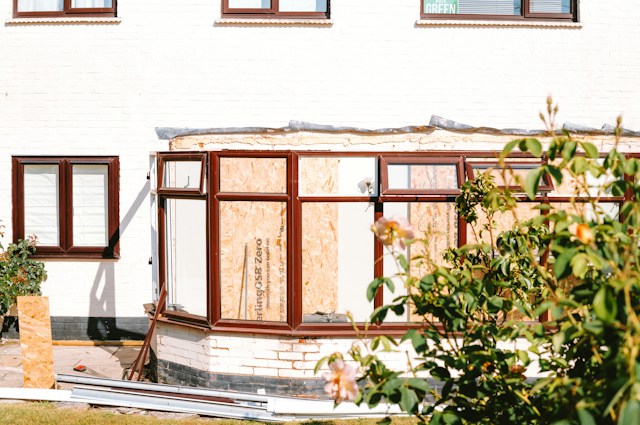
Delaying summer storm damage repairs into fall can allow minor roof, siding, gutter, and moisture problems to spread into more extensive damage. Addressing storm damage before winter can reduce repair costs, simplify insurance documentation, and protect the home from freeze-thaw conditions.
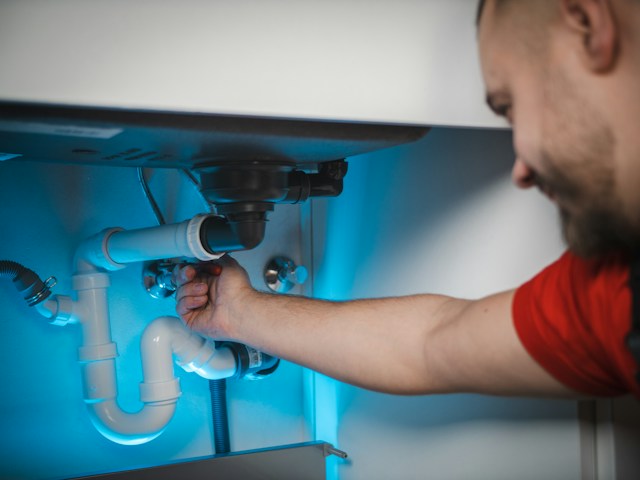
Michigan’s first freeze can expose hidden plumbing and foundation vulnerabilities, including uninsulated pipes, drainage problems, and existing cracks. Preparing these areas before temperatures drop can help prevent burst pipes, moisture intrusion, and costly winter damage.
.jpg)
A fall home inspection can uncover roof, gutter, foundation, plumbing, attic, and wildlife issues before Michigan’s winter weather makes them worse. Addressing small problems before freezing temperatures arrive can help prevent water damage, frozen pipes, structural concerns, and costly repairs.
