
-3.png)
Spring thaw can overwhelm drainage systems and saturate the soil around foundations, increasing the risk of basement water intrusion. Melted snow and early spring rain often enter through foundation cracks, drainage failures, or malfunctioning sump pumps. Preventive steps such as maintaining drainage systems, sealing cracks, and ensuring sump pumps function properly can help reduce the risk of flooding and structural damage.
As winter begins to loosen its grip on Michigan, rising temperatures start melting accumulated snow and ice across neighborhoods and surrounding landscapes. What looks like a simple seasonal transition can quickly create challenging conditions for homes, particularly those with basements. Snow that built up for months begins turning into large volumes of water, while frozen soil struggles to absorb the sudden influx.
During this thaw period, the ground around homes often becomes saturated. Melting snow and early spring rain can combine to push water toward foundations, creating pressure against basement walls and floors. In many cases, water finds its way inside through cracks, gaps, or drainage failures.
Basements sit below ground level, making them especially vulnerable during snowmelt events. When the surrounding soil becomes saturated, water pressure can force moisture through foundation walls and into the basement interior.
Addressing these risks early can help prevent minor moisture problems from turning into serious basement flooding and structural damage.
Winter freeze-thaw cycles can gradually weaken foundation materials. When water seeps into small cracks in concrete and freezes, it expands. This expansion places pressure on the surrounding material, slowly widening the crack over time.
By the time spring arrives, small fractures may already exist in the basement walls or floor slab. Once snow begins melting and the soil becomes saturated, water can easily travel through these weakened areas and enter the basement.
Common entry points for water include:
When water enters through these openings, it may spread across basement floors, seep behind finished walls, or soak into insulation and building materials. Even a small crack can allow significant moisture intrusion during heavy snowmelt or spring rainfall.
Exterior drainage problems are another major contributor to basement flooding during the spring thaw. A home’s drainage system is designed to carry rainwater and melting snow safely away from the foundation. When that system fails, water can accumulate directly around basement walls.
Gutters and downspouts play a key role in this process. If they are clogged, frozen, or damaged, water may spill over the sides instead of flowing through the drainage system.
Drainage issues may include:
When water collects along the foundation, pressure builds against basement walls. Over time, this pressure can force moisture through cracks or porous concrete surfaces, allowing water to enter the basement interior.
Many homes rely on sump pumps to remove groundwater before it accumulates inside the basement. A sump pump collects water that enters a drainage basin and pumps it safely away from the home’s foundation.
During the spring thaw, sump pumps often work harder than at any other time of the year. As snow melts and groundwater levels rise, the pump must remove large volumes of water to prevent flooding.
However, if the sump pump fails during this critical period, water can begin filling the basement quickly.
Sump pump problems can occur due to several factors, including:
A malfunctioning sump pump during heavy snowmelt can allow groundwater to accumulate rapidly inside the basement. Without a functioning pump, the basement may flood within a short period of time.
Because sump pumps act as the last line of defense against basement flooding, regular inspection and maintenance are essential. Testing the pump before heavy snowmelt begins helps ensure it will function properly when groundwater levels rise.
Homeowners should take several steps to verify that the sump pump is operating correctly:
Managing water flow around the home is one of the most effective ways to prevent basement leaks. When drainage systems direct water away from the structure, the amount of moisture reaching the foundation decreases significantly.
Effective drainage improvements include:
Small cracks in basement walls or floors can quickly become pathways for water intrusion during snowmelt. Sealing these openings helps prevent groundwater from entering the basement.
Homeowners should inspect the basement for visible cracks and gaps, particularly in areas where pipes or utility lines enter the home. Waterproof sealants can be applied to minor cracks to block moisture infiltration.
When water enters a basement, time becomes a critical factor. Moisture can spread quickly through porous building materials such as drywall, insulation, wood framing, and flooring. Within as little as 24 to 48 hours, damp conditions can begin supporting mold growth and structural deterioration.
Because water often travels beyond the visible wet area, the damage may extend into walls, subfloors, or hidden cavities. Professional restoration teams use specialized tools to detect this hidden moisture and prevent it from spreading further.
Emergency water mitigation services focus on stabilizing the environment and removing excess moisture before long-term damage occurs. Restoration professionals may use industrial equipment and monitoring systems to identify where water has traveled and begin the drying process immediately.
Emergency mitigation may include:
After the immediate water intrusion has been addressed, restoration professionals begin repairing the affected areas of the basement. This stage focuses on returning the space to safe, dry, and functional conditions.
Water damage can affect multiple components of the basement structure, particularly if moisture has been present for several hours or days. Restoration specialists carefully inspect all affected materials before determining which areas require repair or replacement.
The restoration process may involve:
The transition from winter to spring can create ideal conditions for basement water problems. As snow melts and soil becomes saturated, water pressure builds around foundations and seeks the lowest entry points. Cracks, drainage failures, and sump pump issues can quickly turn a minor moisture problem into a serious flooding event.
Taking proactive steps before and during the spring thaw can significantly reduce the risk of water intrusion. Inspecting drainage systems, maintaining sump pumps, and addressing foundation vulnerabilities early can help protect homes from costly repairs and long-term structural damage.
If snowmelt or spring storms have already caused water to enter your basement, fast professional response can prevent the damage from spreading. Titus Restoration provides expert water mitigation and basement restoration services to help homeowners recover quickly and protect their property.
Titus Restoration
📞 (586) 371-5144
📧 titusrestores@gmail.com
📍 72755 Van Dyke Rd, Bruce Township, MI 48065
🌐 https://titusrestore.com
Discover the latest strategies for effective water damage restoration and how our 24/7 emergency response can safeguard your home.
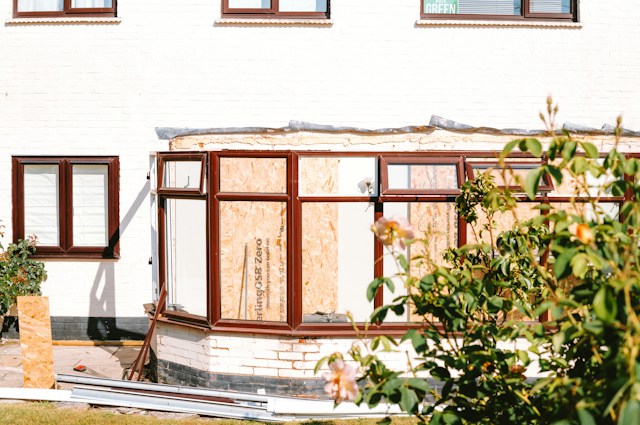
Delaying summer storm damage repairs into fall can allow minor roof, siding, gutter, and moisture problems to spread into more extensive damage. Addressing storm damage before winter can reduce repair costs, simplify insurance documentation, and protect the home from freeze-thaw conditions.
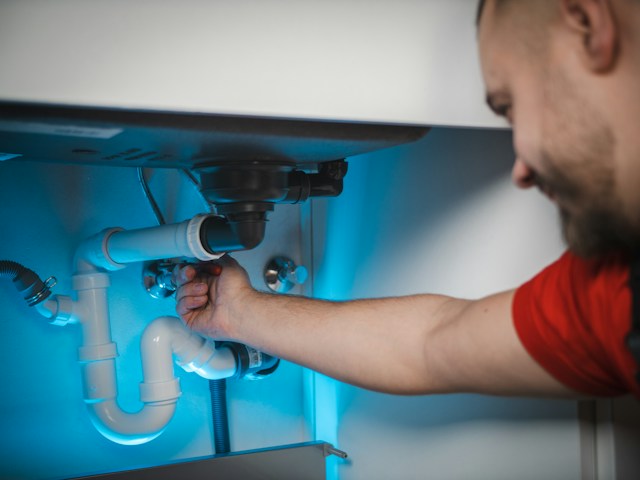
Michigan’s first freeze can expose hidden plumbing and foundation vulnerabilities, including uninsulated pipes, drainage problems, and existing cracks. Preparing these areas before temperatures drop can help prevent burst pipes, moisture intrusion, and costly winter damage.
.jpg)
A fall home inspection can uncover roof, gutter, foundation, plumbing, attic, and wildlife issues before Michigan’s winter weather makes them worse. Addressing small problems before freezing temperatures arrive can help prevent water damage, frozen pipes, structural concerns, and costly repairs.
