
.png)
Michigan’s summer storms can leave behind hidden damage that worsens over time if left unaddressed. Key warning signs include water stains on ceilings, shingle loss or roof dents, cracks in walls or foundations, damp crawl spaces or basements, and unusual odors or sounds after a storm. Early detection and professional assessment can prevent mold growth, structural issues, and costly repairs. Homeowners should inspect their properties after severe weather to catch and repair damage before it escalates.
Summer in Michigan is a season of contrast—sunny afternoons can quickly turn into torrential downpours, booming thunderstorms, high winds, and damaging hail. Every year, homeowners across the state brace for the impact of Mother Nature’s summer storms. And while some storm damage is immediate and obvious, like fallen trees or broken windows, much of it is hidden—silently affecting the safety and integrity of your home.
From powerful wind bursts and sideways rain to heavy flooding and hail, these severe weather events take a toll on roofs, siding, basements, and foundations. What’s dangerous is how easy it is to miss early warning signs of damage, especially when it isn’t visible from the ground or doesn’t cause immediate leaks.
Unfortunately, hidden storm damage can worsen over time, leading to mold, wood rot, insulation breakdown, electrical hazards, and even structural compromise. And if you wait too long, insurance companies may deny claims on the grounds that the damage wasn’t reported quickly enough.
That’s why early detection is key—and why Michigan homeowners should be vigilant after every major storm.
You might not think much of a light stain on the ceiling—but in the aftermath of a summer storm, discoloration is often the first sign of water intrusion. When wind-driven rain breaks past your roofing system, flashing, or siding, that moisture doesn’t just evaporate—it seeps into your home’s building materials.
These signs may appear days or even weeks after a storm, and many homeowners don’t connect them back to a weather event. But ignoring them can be costly. Water intrusion not only weakens drywall and framing—it creates the perfect conditions for hidden mold growth and wood rot.
Prompt action is key. At Titus Contracting, our experienced team specializes in detecting and addressing hidden water damage as part of our storm damage restoration in Michigan. We identify the leak source, assess interior damage, and prevent long-term structural issues and mold infestations.
One of the most common places for storm damage to begin is at the top—your roof. Even if your home appears untouched after a storm, a closer look can reveal that shingles have been lifted, damaged, or torn off entirely by strong winds or hail.
These damages may not cause immediate leaks but will weaken your roof’s protective barrier, allowing water to infiltrate over time. That’s why a professional hail damage inspection in Rochester, MI or your local area is so critical. A trained eye can identify damage you might miss from the ground—and document it for insurance claims if needed.
Neglecting roof damage can lead to:
At Titus Contracting, we perform detailed roofing and attic assessments as part of our comprehensive storm damage restoration for Michigan homes. We help you catch damage early—before it becomes a much bigger problem.
Not all storm damage happens on the surface. In many cases, the most serious damage happens beneath your home or within its structure. After strong winds or prolonged rains, it’s common for the soil around your foundation to shift—especially in areas like Orion Charter Township, where high water tables and tree-lined properties can accelerate this process.
Cracks may appear harmless at first, but they often indicate that the home has shifted or absorbed an impact. Left unaddressed, these issues can lead to:
If you notice unusual cracking or structural changes after a storm, it’s time to call a professional. At Titus Contracting, we offer fast, responsive wind damage repair in Orion Charter Township and surrounding areas. Our team inspects, documents, and addresses foundational damage before it escalates.
Basements and crawl spaces are often the first places stormwater finds its way in—and unfortunately, the last places many homeowners check. Heavy summer rains, groundwater saturation, and sump pump failures can quickly create moist environments beneath your home, even if you never see flooding above ground.
Even small amounts of water in these areas can quickly lead to mold growth, wood rot, and deteriorated air quality inside your living space. This is especially true in Shelby Township, where homes often include finished basements that can hide moisture for weeks.
Moisture in these areas is a top concern during emergency storm cleanup in Shelby Township and nearby communities. At Titus Contracting, we provide fast-response water removal, drying, and dehumidification services to protect your home and prevent mold growth before it starts.
Sometimes the most important clues aren’t things you see—but things you smell or hear. If your home feels different after a storm, trust your senses. Strange odors or unfamiliar noises can point to hidden storm damage that hasn’t yet made itself visible.
These subtle signs can indicate big problems hidden in the attic, inside your walls, or under your floors. Ignoring them can allow storm-related issues to fester and multiply, leading to expensive repairs later.
When you notice changes in your home's atmosphere after a storm—don’t write them off. Let Titus Contracting help you investigate and uncover the source. Our team offers storm damage restoration throughout Michigan, including detailed assessments to uncover damage you might otherwise miss.
Storm damage doesn’t always come crashing through your ceiling—it often hides in subtle shifts, damp corners, and faint odors. But just because the signs are small doesn’t mean the consequences will be. Hidden storm damage gets worse over time, silently affecting your roof, foundation, insulation, and even your air quality.
These five warning signs are more than inconvenient—they're your home’s way of asking for help. From stains on your ceiling to strange sounds in the walls, learning to recognize storm-related damage early can save you thousands in repairs and potential insurance headaches.
If you live in Rochester, Orion Charter Township, Shelby Township, or anywhere across Southeast Michigan, you can count on Titus Contracting for responsive, local storm recovery. We know the weather here. More importantly, we know what it does to homes—and how to fix it right.
Discover the latest strategies for effective water damage restoration and how our 24/7 emergency response can safeguard your home.
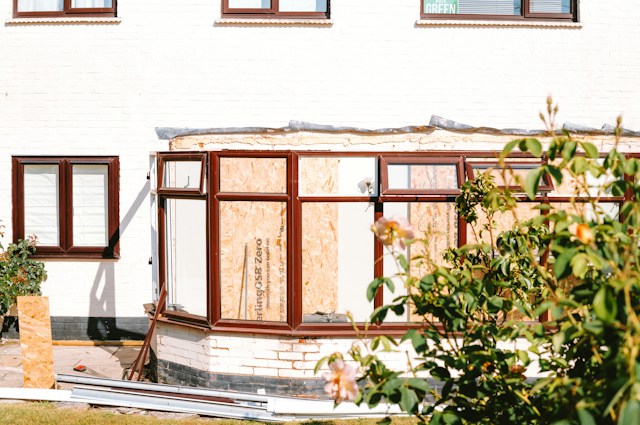
Delaying summer storm damage repairs into fall can allow minor roof, siding, gutter, and moisture problems to spread into more extensive damage. Addressing storm damage before winter can reduce repair costs, simplify insurance documentation, and protect the home from freeze-thaw conditions.

Michigan’s first freeze can expose hidden plumbing and foundation vulnerabilities, including uninsulated pipes, drainage problems, and existing cracks. Preparing these areas before temperatures drop can help prevent burst pipes, moisture intrusion, and costly winter damage.
.jpg)
A fall home inspection can uncover roof, gutter, foundation, plumbing, attic, and wildlife issues before Michigan’s winter weather makes them worse. Addressing small problems before freezing temperatures arrive can help prevent water damage, frozen pipes, structural concerns, and costly repairs.
