
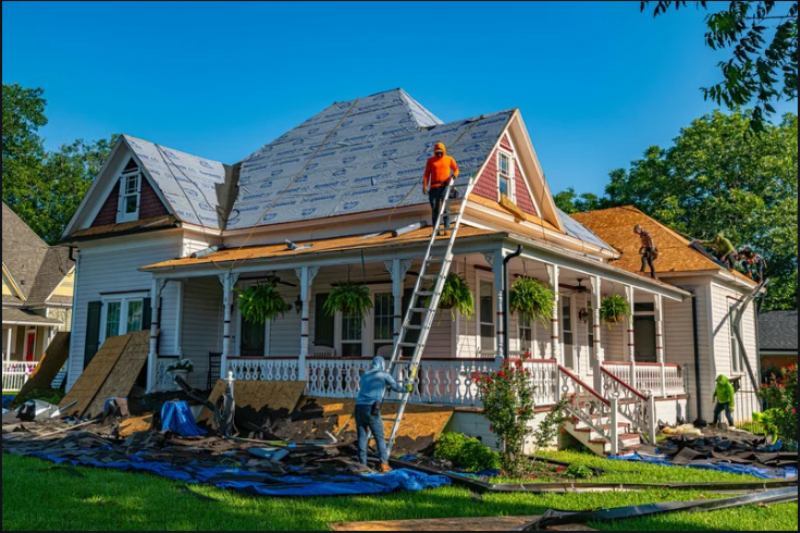
Michigan’s volatile May weather creates ideal conditions for roof damage caused by high winds, hail, and heavy rain. Even when damage is not visible from the ground, compromised shingles, flashing, and roofing materials can lead to water intrusion, mold growth, and costly structural repairs over time. Prompt roof inspections after storms help homeowners identify hidden damage early and strengthen potential insurance claims.
May in Michigan carries a reputation for being one of the most beautiful months of the year. The trees are filling in, temperatures are climbing, and winter feels like it's finally behind us. What that pleasant surface obscures is that May is also one of the most meteorologically volatile months in the state — and for homeowners, that volatility lands hardest on the roof.
Michigan sits at the intersection of warm, moisture-laden air pushing up from the Gulf and cold air that hasn't fully released its grip on the Great Lakes region. That collision produces some of the most intense thunderstorm activity of the year, bringing with it the three things roofs are least equipped to handle at once: high winds, hail, and heavy rain. Often in the same storm.
Roof damage from May storms is common, frequently underestimated, and almost always worse than it appears from the ground. What a homeowner dismisses as a rough night of weather can leave behind damage that quietly grows into a water intrusion problem, a mold situation, or a structural repair — all before summer is over.
Wind doesn't have to be tornado-force to damage a roof. Sustained winds in the 40 to 60 mph range — common in Michigan May storms — are enough to lift shingle edges, break the adhesive seals that hold tabs down, and shift flashing away from the joints it's designed to protect. Once those seals are broken, the roof is vulnerable to water intrusion with every subsequent rain event, regardless of whether the wind was strong enough to cause visible damage.
High winds affect roofs in several distinct ways:
This is the part that catches most homeowners off guard. A roof that looks intact from the driveway — no missing shingles, no obvious holes — can still have sustained significant damage. Broken seals don't show up in a ground-level scan. Lifted flashing may have settled back into place after the wind died down while remaining compromised at the joint. Micro-fractures in shingle tabs from debris impact are invisible until granule loss accelerates and the underlying mat is exposed.
Hail damage looks different depending on what your roof is made of, and understanding that difference matters when you're trying to assess whether your home was affected.
Up close, hail damage on asphalt shingles presents as:
Hail damage is one of the most frequently underpaid categories of homeowner insurance claims — and one of the most time-sensitive. Damage that isn't documented promptly gets attributed to normal wear and aging by insurance adjusters, making it harder to establish that a specific storm event caused the loss. The window for a clean, well-supported hail damage claim closes faster than most homeowners realize.
A compromised roof doesn't fail all at once. It fails incrementally, and the next rain event after the damage occurs is usually when the process begins. A lifted shingle edge allows wind-driven rain to get underneath. A displaced flashing joint lets water migrate into the wall cavity beside the chimney. A small puncture lets water reach the roof decking, where it begins saturating wood that wasn't designed to hold moisture.
Once water is past the roofing surface, it follows the path of least resistance:
Wet organic materials — wood framing, insulation, drywall — in a warm attic space during a Michigan May create near-ideal conditions for mold growth. Under those conditions, mold can begin developing within 24 to 48 hours of moisture exposure. By the time a ceiling stain becomes visible to a homeowner, mold may already be established in the attic or wall cavity above it.
The progression is consistent and well-documented in restoration work. A lifted shingle that costs a few hundred dollars to address at the time of damage becomes a decking replacement, insulation removal, and mold remediation project if it goes through two or three more Michigan rain events undetected. Time is the variable that determines scope, and scope determines cost.
A qualified inspector on the roof covers things a homeowner ground-level check simply cannot:
An inspection completed promptly after a storm establishes a documented record that ties the damage to a specific weather event. That documentation — photographs, written scope, moisture readings — is what gives an insurance claim its foundation. Without it, damage that was clearly caused by a storm gets reclassified as wear and aging, and claims get reduced or denied.
The inspection is not just about knowing what happened to the roof. It is the first step in protecting what the insurance policy is supposed to cover.
A roof does its job silently. It takes the wind, the hail, and the rain so the rest of the home doesn't have to. When a May storm pushes through Southeast Michigan and the damage isn't obvious from the driveway, it's easy to move on and assume everything is fine. Often it isn't — and the weeks between that assumption and the first ceiling stain are exactly when a manageable repair becomes a much larger project.
The right response after any significant storm is a professional inspection. It either confirms the roof came through without issue, or it catches damage before it compounds. Either way, you know where you stand.
Titus Contracting Group serves homeowners across Shelby Township, Rochester, Auburn Hills, Orion Township, and the surrounding Michigan communities. We offer free inspections, 24/7 emergency response for active leaks, and hands-on insurance claim assistance — because storm damage is stressful enough without navigating the claim process alone.
Discover the latest strategies for effective water damage restoration and how our 24/7 emergency response can safeguard your home.
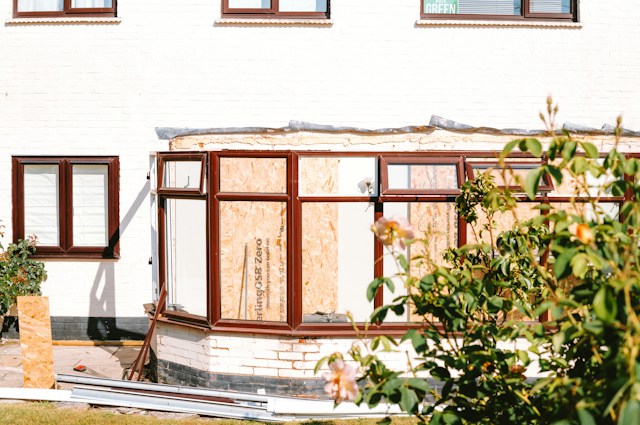
Delaying summer storm damage repairs into fall can allow minor roof, siding, gutter, and moisture problems to spread into more extensive damage. Addressing storm damage before winter can reduce repair costs, simplify insurance documentation, and protect the home from freeze-thaw conditions.

Michigan’s first freeze can expose hidden plumbing and foundation vulnerabilities, including uninsulated pipes, drainage problems, and existing cracks. Preparing these areas before temperatures drop can help prevent burst pipes, moisture intrusion, and costly winter damage.
.jpg)
A fall home inspection can uncover roof, gutter, foundation, plumbing, attic, and wildlife issues before Michigan’s winter weather makes them worse. Addressing small problems before freezing temperatures arrive can help prevent water damage, frozen pipes, structural concerns, and costly repairs.
