

Michigan’s severe windstorms and hail can inflict hidden and visible damage on homes, from shattered shingles and dented siding to unseen water intrusion and mold. Safety is the first priority: avoid hazards like downed power lines and unstable structures, document all damage thoroughly, and resist DIY quick fixes. After ensuring safety, a professional inspection using moisture meters and thermal imaging can uncover the full scope of harm. Working with experienced restoration contractors simplifies insurance claims and ensures complete, code-compliant repairs.
Michigan is no stranger to extreme weather. From sudden spring thunderstorms to powerful late-summer windstorms, residents across Bruce Township, Rochester, and the surrounding areas know how quickly the skies can turn. While some storms pass harmlessly, others leave behind a trail of costly destruction—especially when high winds and hail are involved.
In our region, it’s common for storms to bring wind gusts exceeding 60 mph and hailstones large enough to crack windows or dent vehicles. These conditions can batter roofs, tear off siding, clog or detach gutters, and even lead to water intrusion that compromises a home's interior. For many families, the damage isn’t just structural—it’s personal. Seeing your home damaged by a storm can stir up feelings of shock, helplessness, and uncertainty about where to begin the recovery process.
Before you step outside, take a moment to assess the surroundings from a safe distance. Look for obvious hazards like:
If your home has sustained water damage, remember that standing water could be electrically charged, especially in basements or garages. Don’t attempt to walk through flooded areas unless you're sure the electricity is shut off.
Michigan neighborhoods tend to be close-knit, and storms affect entire communities. Take a few minutes to check on those around you:
Once you're confident it’s safe to proceed, begin documenting everything. Your smartphone is your best tool here:
Proper documentation is crucial for your insurance claim and can also help restoration professionals—like our team at Titus Contracting—better understand what needs immediate attention.
It’s natural to want to cover a leaking roof or broken window right away, but many DIY “quick fixes” do more harm than good. Improperly installed tarps, plastic sheeting, or makeshift barriers can allow moisture to seep in or be blown away in another gust of wind—exposing your home to further damage.
Unless you have the proper tools and experience, it’s better to:
At Titus Contracting, we’re equipped to respond 24/7 to these exact scenarios, with trained crews who know how to safely handle wind, hail, and water-related damage across Bruce Township and surrounding areas.
Start your inspection by walking the perimeter of your home. Use binoculars if needed to examine the roof safely from the ground. Key red flags to watch for include:
Don’t forget to inspect fences, decks, outdoor AC units, and sheds—storm damage doesn’t stop at the house.
Even if the outside of your home looks relatively untouched, hidden damage can begin to surface indoors within hours or days after a storm. During your interior inspection, pay attention to:
Some of the most destructive effects of wind and hail are the ones you can’t see right away:
If you suspect any of these issues, call a certified restoration team. At Titus Contracting, we know how to detect and treat damage that might otherwise be missed—using moisture mapping tools, thermal imaging, and thorough inspections to uncover the full scope of your storm damage.
One of the biggest mistakes homeowners make after a storm is rushing to clean up before capturing the damage. It’s understandable—you want to protect your home and move on. But without thorough documentation, your insurance company may dispute or deny parts of your claim.
Before making any repairs (even temporary ones), be sure to:
This initial evidence is often the foundation of your claim and the key to receiving a fair payout.
Homeowners often don’t realize that licensed restoration professionals do more than fix damage—they can also play a critical role in the claims process. At Titus Contracting, we act as a bridge between you and your insurance adjuster by:
Having a contractor who understands both construction and insurance requirements helps prevent oversights, strengthens your case, and speeds up approvals.
Titus Contracting has worked with numerous Michigan homeowners across Bruce Township, Auburn Hills, Rochester, and beyond—and we understand the complexities of insurance coordination. We’ll walk you through each step by:
Our experience working with all major carriers means we can help you avoid unnecessary delays and confusion—especially during high-claim periods after widespread storms.
Insurance companies may deny or underpay claims due to:
Professional restoration contractors like Titus help eliminate these risks by offering expert documentation and real-world insights into how the storm affected your specific home. With our help, you’ll have a much stronger case for a full and fair payout.
Storms may be unpredictable, but your response to them doesn’t have to be. Whether your Michigan home has been battered by wind, pelted with hail, or soaked by driving rain, the most important steps you can take are clear: act fast, document thoroughly, and bring in experienced professionals who know how to handle storm recovery from the ground up.
At Titus Contracting, we understand how overwhelming it can feel to see your home in disarray after a storm. But we’re here to reassure you—it is possible to recover quickly, safely, and fully. With 24/7 availability, a local team that genuinely cares, and years of expertise in water, wind, and hail damage repair, we help you regain control, protect your investment, and restore your peace of mind.
Discover the latest strategies for effective water damage restoration and how our 24/7 emergency response can safeguard your home.
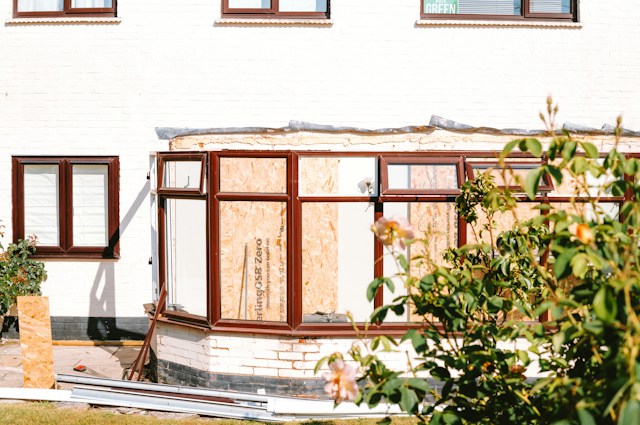
Delaying summer storm damage repairs into fall can allow minor roof, siding, gutter, and moisture problems to spread into more extensive damage. Addressing storm damage before winter can reduce repair costs, simplify insurance documentation, and protect the home from freeze-thaw conditions.
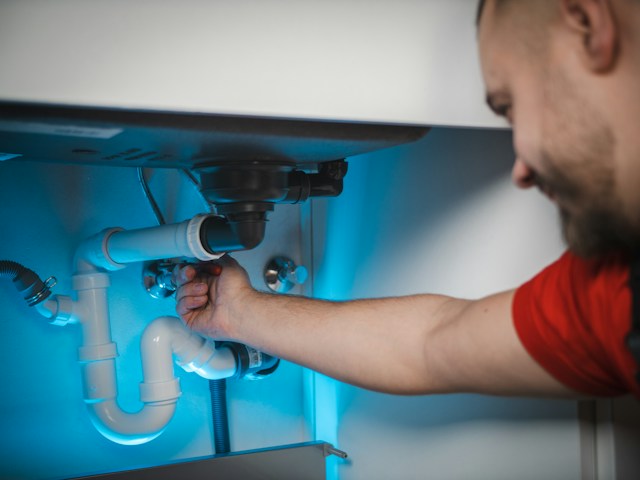
Michigan’s first freeze can expose hidden plumbing and foundation vulnerabilities, including uninsulated pipes, drainage problems, and existing cracks. Preparing these areas before temperatures drop can help prevent burst pipes, moisture intrusion, and costly winter damage.
.jpg)
A fall home inspection can uncover roof, gutter, foundation, plumbing, attic, and wildlife issues before Michigan’s winter weather makes them worse. Addressing small problems before freezing temperatures arrive can help prevent water damage, frozen pipes, structural concerns, and costly repairs.
