

As Michigan temperatures drop, your crawlspace becomes one of the most vulnerable areas of your home. Moisture, cold air, and poor insulation can lead to mold growth, wood rot, and frozen pipes that drive up energy bills and threaten your foundation. Early inspections and waterproofing stop these issues before winter sets in, keeping your home dry, efficient, and safe. Titus Contracting provides expert crawlspace sealing, drainage, and restoration services to protect homes across Southeast Michigan.
As Michigan’s colorful fall gives way to colder nights and the first signs of frost, homeowners across the state start preparing their properties for the long winter ahead. Roofs are inspected, gutters are cleaned, and windows are sealed — but there’s one critical area that often gets overlooked: the crawlspace.
This hidden space beneath your home plays a vital role in keeping your living environment healthy, stable, and energy-efficient. Yet, when left unchecked, it can quickly become a breeding ground for problems. During Michigan’s fall-to-winter transition, temperatures fluctuate wildly, rain turns to snow, and the ground shifts between wet and frozen. All of this puts enormous pressure on the soil and foundation below your home. Moisture seeps in through cracks, condensation forms on cold surfaces, and before long, that once-dry crawlspace becomes damp and unstable.
Inside this confined area, standing water, poor insulation, and trapped humidity can cause more than just a musty smell. They create the perfect storm for mold growth, wood rot, rusted pipes, and costly energy loss. Over time, these issues don’t just affect your crawlspace — they spread upward, impacting the air quality and comfort of the rooms you live in every day.
Taking action now, before winter sets in, is the key to preventing months of hidden damage and unexpected repairs. A professional inspection can reveal leaks, drainage issues, and humidity pockets that the average homeowner can’t see — allowing you to correct them before freezing temperatures make repairs more complicated.
That’s where Titus Contracting comes in. As Michigan’s trusted 24/7 restoration and waterproofing team, Titus helps homeowners across Bruce Township, Rochester, Orion Township, Auburn Hills, and beyond protect their crawlspaces from moisture, mold, and cold-weather damage. Using advanced detection tools and proven waterproofing methods, their experts ensure that your home is secure from the ground up — dry, efficient, and ready to handle whatever Michigan’s winter weather brings.
That faint, damp smell drifting up from your floorboards isn’t just “old house air” — it’s one of the first indicators of moisture buildup or hidden mold in your crawlspace. As humidity gets trapped beneath your home, it seeps into flooring materials, insulation, and HVAC ducts, carrying a musty scent throughout your living spaces. If you notice these odors after a heavy rain or during periods of high humidity, it’s time to schedule a crawlspace inspection.
Mold loves dark, enclosed areas — and your crawlspace provides the perfect environment when moisture and organic materials meet. Check for black, green, or white fuzzy growth on wooden beams, fiberglass insulation, and around ductwork seams. Even small patches of mold can spread quickly once temperatures fluctuate between warm and cold. Left untreated, mold can compromise your home’s structure and trigger respiratory issues for your family.
One of the most obvious signs your crawlspace isn’t ready for winter is visible moisture. Whether it’s puddles after rain, constantly damp soil, or frost forming on exposed pipes, water intrusion is a warning that your crawlspace isn’t sealed or drained properly. Persistent moisture can freeze when temperatures drop, leading to burst pipes and foundation stress. Titus Contracting’s crawlspace specialists can pinpoint the source of the leak and prevent it from escalating into a full-blown flooding issue.
If the floors above your crawlspace feel uneven, bouncy, or noticeably colder than the rest of your home, it’s often a sign that moisture has begun to weaken floor joists or insulation. As humidity accumulates, wood can warp, rot, and lose structural strength, making your floors unstable. Cold air trapped in the crawlspace also rises into your home, creating drafty rooms and forcing your heating system to work overtime.
Hidden mold and poor air circulation in your crawlspace can directly affect the air you breathe. Because around 40% of the air in your living space originates from below, moisture and contaminants from your crawlspace are drawn upward through a process called the stack effect. If you or your family experience more frequent allergies, coughing, or sinus irritation during fall and winter, your crawlspace air quality could be the culprit.
Noticing higher heating costs even though your thermostat hasn’t changed? Crawlspace issues might be to blame. Gaps, leaks, and poor insulation allow cold air to enter freely, making your HVAC system run longer to maintain comfort. When warm air escapes through the floor and cold air seeps in, energy efficiency plummets — along with your comfort level.
Before sealing up your home for the season, start with a detailed inspection of the space beneath it. Even small openings can let in cold air, rodents, and water — all of which spell trouble once winter arrives.
If you notice recurring dampness or visible water staining, it’s best to call in professionals like Titus Contracting. Their team can locate the source of leaks using advanced moisture detection equipment and make targeted repairs before the damage worsens.
Moisture is your crawlspace’s greatest enemy, and controlling it is the key to keeping your home dry and mold-free through Michigan’s long winter.
Titus Contracting specializes in encapsulation systems that create a clean, dry environment year-round, reducing mold risk and improving indoor air quality throughout your home.
Even the best-sealed crawlspace can flood if water pools around your foundation. Proper drainage outside your home keeps excess moisture from becoming a costly problem below it.
Titus Contracting offers drainage assessments and sump pump installations to help homeowners in Bruce Township and surrounding areas stop flooding before it starts — even during Michigan’s heaviest fall and winter storms.
Cold air creeping into your crawlspace doesn’t just make your floors chilly — it can freeze pipes, burst lines, and cause significant water damage. Protecting your plumbing and ductwork is essential to a safe, efficient winter season.
Proper insulation not only prevents frozen pipes but also improves your home’s energy efficiency — meaning lower utility bills and a more comfortable winter indoors.
Michigan winters can be brutal — freezing rain, snow buildup, and months of icy temperatures all take their toll on your home. But while most homeowners prepare their roofs and windows for the cold, it’s the crawlspace that often faces the worst damage. The good news? You can protect it before the first snowflake hits.
Taking the time this fall to address crawlspace moisture, insulation, and ventilation issues can prevent a chain reaction of problems later — from mold growth and wood rot to frozen pipes and skyrocketing energy bills. A dry, well-sealed crawlspace not only improves your home’s comfort and safety but also preserves your foundation for years to come.
At Titus Contracting, we understand the challenges Michigan homeowners face each winter. Our team provides expert inspection, waterproofing, and restoration services designed to eliminate hidden moisture, prevent mold, and protect your crawlspace from even the harshest weather. With advanced equipment, proven techniques, and a commitment to honest, high-quality service, we make sure your home stays strong and dry — from the ground up.
Discover the latest strategies for effective water damage restoration and how our 24/7 emergency response can safeguard your home.
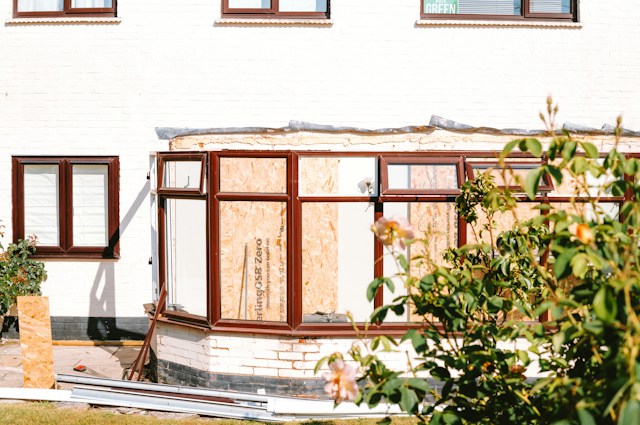
Delaying summer storm damage repairs into fall can allow minor roof, siding, gutter, and moisture problems to spread into more extensive damage. Addressing storm damage before winter can reduce repair costs, simplify insurance documentation, and protect the home from freeze-thaw conditions.
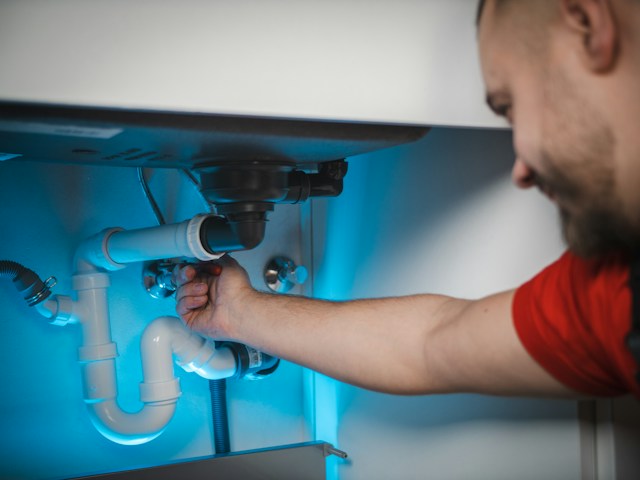
Michigan’s first freeze can expose hidden plumbing and foundation vulnerabilities, including uninsulated pipes, drainage problems, and existing cracks. Preparing these areas before temperatures drop can help prevent burst pipes, moisture intrusion, and costly winter damage.
.jpg)
A fall home inspection can uncover roof, gutter, foundation, plumbing, attic, and wildlife issues before Michigan’s winter weather makes them worse. Addressing small problems before freezing temperatures arrive can help prevent water damage, frozen pipes, structural concerns, and costly repairs.
