
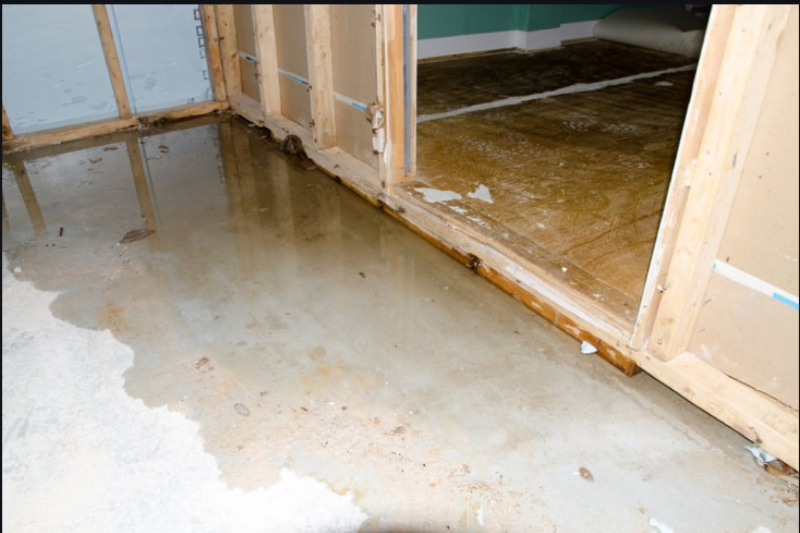
A persistent musty basement smell often points to hidden moisture, poor ventilation, or microbial growth behind walls, flooring, or insulation. Finding and correcting the underlying moisture source early can help prevent mold growth, structural damage, and worsening indoor conditions.
You go downstairs to grab something out of storage, and there it is again. That damp, earthy smell that seems to live in your basement no matter what you do about it. Maybe you've sprayed an air freshener. Maybe you've run a fan for a few days. Maybe you've told yourself it's just an "old basement smell" that comes with owning a home in Michigan.
Here's the thing. That smell is not just an annoyance. It's information. Your basement is telling you something is happening down there, and in most cases, it's not something a candle or a dehumidifier is going to fix. This is one of the most common calls we get at Titus, and it almost always starts the same way: "I don't see any mold, but I can smell it."
That musty smell has a name, and it's not just "basement smell." It comes from microbial volatile organic compounds, or MVOCs. These are gasses released by mold and mildew as they grow and feed on organic material like wood, drywall, and insulation.
Unlike the mold spores themselves, MVOCs are airborne and easy to detect by scent long before you'd ever spot a visible patch of growth. In simple terms, the smell is a byproduct of active microbial growth somewhere in your home. If you can smell it, something is growing.
Mold doesn't need to be visible to be active. It often develops inside wall cavities, underneath flooring, behind baseboards, or within insulation, all places you'd never see during a casual walkthrough. By the time mold is visible on a surface, it has usually been growing for weeks already.
There's rarely just one reason a basement develops a persistent odor. In our experience, it usually traces back to one or more of these sources.
Michigan summers bring heavy humidity, and that humidity finds its way into basements even when the rest of the house feels comfortable. Combined with spring thaw runoff and heavy rain events, the moisture load on a Michigan basement is significant throughout much of the year.
Homes in Shelby Township, Rochester, Auburn Hills, and Orion Township often sit on clay-heavy soil, which drains slowly and holds water close to foundations longer than sandier soil would. That extra moisture pressure against your foundation walls adds up over time.
Many homes across our service areas were built decades ago, and older foundations tend to develop small cracks and gaps as they settle. These openings are often too small to notice during a quick glance, but they're more than large enough to let moisture and humid air inside.
Older homes also frequently have less basement ventilation than newer construction, which compounds the humidity problem. The combination of an aging foundation and limited airflow creates ideal conditions for microbial growth.
We hear a lot of the same assumptions from homeowners before they call us. Most of them come from good intentions, but they can delay getting the real problem addressed.
Not every musty smell requires an emergency call, but certain signs suggest it's time to get a professional opinion rather than wait it out.
Left alone, this kind of issue rarely stays small. What starts as a mild odor can progress to visible mold growth, then to spore spread throughout the home's air, and eventually to structural concerns if moisture continues to sit against wood framing or drywall. Health impacts can also increase over time for household members sensitive to mold exposure.
When we come out for a mold inspection, we're not just sniffing the air and calling it a day. We use moisture meters to check walls, flooring, and framing for elevated moisture levels that wouldn't be obvious otherwise. We also do a visual inspection of common problem areas, including behind accessible wall sections, around plumbing penetrations, and near foundation walls.
Just as important, we look at the areas homeowners typically can't check themselves, like behind finished walls or under flooring, wherever access allows. The goal is to find the actual source of the moisture, not just treat the symptom.
Depending on the cause, some mold situations tie back to a covered event, like a plumbing failure or storm damage, that your homeowner's insurance may help address. Figuring out whether that applies to your situation isn't always straightforward, and most homeowners don't want to spend hours on the phone with an adjuster trying to sort it out.
That musty smell isn't random, and it isn't something you have to just live with. It's your home's way of flagging a moisture problem before it turns into something far more disruptive and expensive. Homeowners who get it checked out early almost always deal with less mess, less cost, and less stress than those who wait until the smell becomes impossible to ignore.
We understand the instinct to hope it resolves on its own. But basements rarely forgive being ignored, and the sooner the actual source gets identified, the sooner you can stop dreading trips downstairs.
If that smell has been bothering you for weeks, or even months, it's worth having someone take a real look before you spend another season wondering about it. Titus Contracting Group offers free inspections and 24/7 emergency response across Shelby Township, Rochester, Auburn Hills, Orion Township, and the surrounding areas. Paul and our team will walk you through exactly what we find, in plain language, with no pressure and no guesswork.
Discover the latest strategies for effective water damage restoration and how our 24/7 emergency response can safeguard your home.
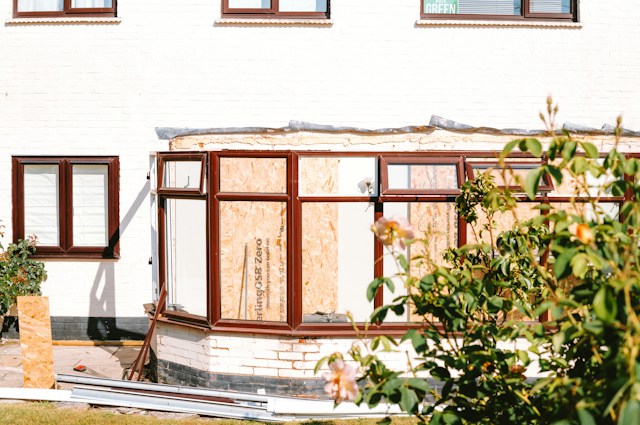
Delaying summer storm damage repairs into fall can allow minor roof, siding, gutter, and moisture problems to spread into more extensive damage. Addressing storm damage before winter can reduce repair costs, simplify insurance documentation, and protect the home from freeze-thaw conditions.
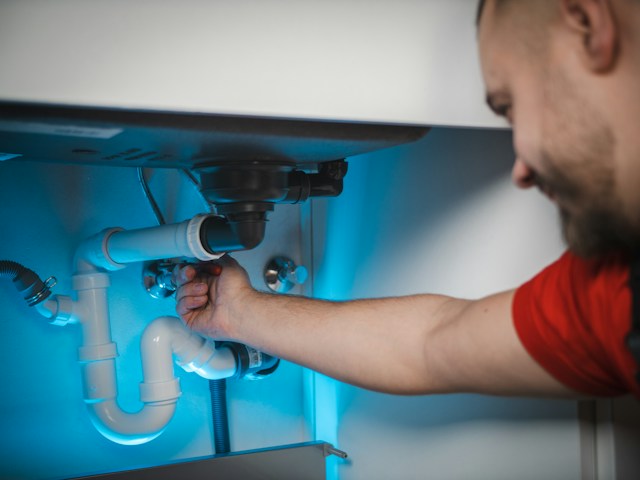
Michigan’s first freeze can expose hidden plumbing and foundation vulnerabilities, including uninsulated pipes, drainage problems, and existing cracks. Preparing these areas before temperatures drop can help prevent burst pipes, moisture intrusion, and costly winter damage.
.jpg)
A fall home inspection can uncover roof, gutter, foundation, plumbing, attic, and wildlife issues before Michigan’s winter weather makes them worse. Addressing small problems before freezing temperatures arrive can help prevent water damage, frozen pipes, structural concerns, and costly repairs.
