
.png)
Michigan basements are prone to mold during humid summers due to high moisture, poor ventilation, and foundation leaks. Common signs include musty odors, visible discoloration, and damp air. Ignoring mold can lead to structural damage and health issues, so prompt professional remediation is essential to fully remove hidden colonies and prevent recurrence.
When summer hits Michigan, we all look forward to warmer temperatures, backyard barbecues, and long days of sunshine. But along with the good comes a not-so-welcome visitor for many homeowners: mold—especially in the basement.
Michigan summers bring a unique mix of weather patterns that make basements the perfect breeding ground for mold. High humidity levels can hover well above 60% throughout June, July, and August. That moisture-heavy air, combined with poor airflow and the natural coolness of underground spaces, creates a hidden hotbed for mold growth. Add in sudden thunderstorms, flash flooding, and rapid temperature swings—and you've got the perfect conditions for a damp, musty basement.
Why does this matter? Because mold thrives on three things: moisture, warmth, and organic material—all of which are commonly found in basements. Once mold takes hold, it doesn’t just damage walls, flooring, and insulation. It can also lead to long-term health problems and a lingering musty basement smell that never seems to go away.
This summer, don’t ignore the warning signs. If you’ve ever walked downstairs and noticed that earthy, unpleasant odor, or if you’ve spotted black or green patches on concrete or drywall, it’s time to take action. Effective mold remediation in Michigan starts with understanding the risks and taking the right steps early.
One of the most overlooked sources of moisture is how your yard is shaped. If the ground slopes toward your foundation instead of away from it, rainwater and runoff have nowhere to go but into your basement. Over time, this can saturate the soil next to your home, pushing moisture through the foundation walls and floor.
Even homes with gutters and downspouts may experience problems if those systems are clogged or not extended far enough from the house. Proper drainage is essential for keeping the basement dry—especially during Michigan’s heavy summer rains.
Small cracks in the foundation may not look like much, but they’re a common entry point for water. As pressure builds from saturated soil, water can easily seep through even the tiniest fissures. Add in summer storms, and suddenly that minor crack becomes a source of recurring basement dampness.
In older homes or homes built on clay-heavy soil (which is common in areas like Auburn Hills and Oakland Charter Township), shifting and settling can widen cracks over time. If you’re seeing puddles, stains, or crumbling drywall near the floor, foundation leaks may be to blame.
Many Michigan homes rely on sump pumps to keep basements dry—but like any equipment, they can fail. Whether due to a power outage, mechanical malfunction, or simply being overwhelmed by a sudden downpour, sump pump failure can lead to major flooding in minutes.
This is especially dangerous during July and August, when heavy thunderstorms can dump several inches of rain in a short period. Without a working sump pump and backup system, your basement becomes a prime candidate for water damage and, inevitably, mold.
Even without a leak or flood, moisture can form from within your basement. Uninsulated cold-water pipes and HVAC ducts often “sweat” when warm, humid air touches them. This condensation may seem harmless at first, but it can drip onto surfaces or soak into walls, slowly creating the conditions for mold to thrive.
In homes without proper ventilation or a basement dehumidifier, this hidden source of moisture adds up over time—leading to that familiar musty basement smell that often signals mold behind the scenes.
During particularly wet periods, the groundwater table can rise and apply hydrostatic pressure against your basement walls and floor. If your waterproofing system is weak or nonexistent, this pressure can force water through cracks or porous concrete—even if it’s not raining directly overhead.
Michigan’s variable weather, including early summer rains and late-season storms, makes groundwater intrusion a seasonal threat that many homeowners aren’t even aware of until it’s too late.
The first and most common red flag is smell. Mold produces microbial volatile organic compounds (MVOCs), which create that signature musty, earthy odor. If your basement has a smell that reminds you of wet socks, old paper, or damp wood, it’s probably not just “old house smell”—it could be mold hiding in the walls, behind paneling, under carpets, or inside ceiling tiles.
This musty basement smell often lingers no matter how much you clean or ventilate, and it’s usually strongest in corners, near drains, or in areas with prior water damage.
Once mold colonies become large enough, they become visible—and at that point, they’re definitely growing and spreading. Look for:
Don’t assume all mold is black. White and light-gray mold can also be active and harmful. And just because it’s in an unfinished part of the basement doesn’t mean it’s safe to ignore.
A basement doesn’t need to be wet to be a problem. If the air feels unusually humid, sticky, or clammy—especially during the summer—this is a major sign that moisture levels are high enough to support mold growth. Basements with poor airflow or without a dehumidifier are especially vulnerable during Michigan’s muggiest months.
You may also notice surfaces that feel damp to the touch or see condensation forming on pipes, walls, or windows. These are early environmental indicators that mold could be growing soon—if it hasn’t already started.
Mold doesn’t just damage your home—it can also affect your health. If you or your family members experience frequent or worsening symptoms only when at home or in the basement, mold could be the underlying cause. Watch for:
If the affected area is less than 10 square feet (about the size of a bath towel), and it’s on a hard, non-porous surface like tile or glass, you might be able to handle it yourself. But this still requires the right tools and precautions:
DIY cleanup, however, only addresses what you can see. Mold often hides behind drywall, under flooring, or in insulation—places you won’t reach without specialized tools or demolition.
Cutting corners with mold cleanup can lead to:
Even store-bought mold sprays only treat the surface. They don’t address the actual root cause: moisture. Without drying and sealing the affected area, mold will return.
Titus Contracting uses specialized equipment designed specifically for safe and effective mold remediation:
Our process ensures that mold is not only removed—but that your basement is restored to a dry, healthy, mold-resistant condition.
If your basement has that unmistakable musty smell or you’ve noticed unusual spots on the walls, floors, or ceiling, don’t wait for the problem to get worse. Mold is more than just an odor—it’s a warning sign that your home’s air quality, structure, and safety may be compromised.
The longer mold is allowed to grow unchecked, the more damage it can do. What starts as a small patch can quickly spread behind walls, into insulation, or through your home’s ventilation system. And with Michigan’s humid summers creating ideal conditions for mold growth, time is not on your side.
Discover the latest strategies for effective water damage restoration and how our 24/7 emergency response can safeguard your home.
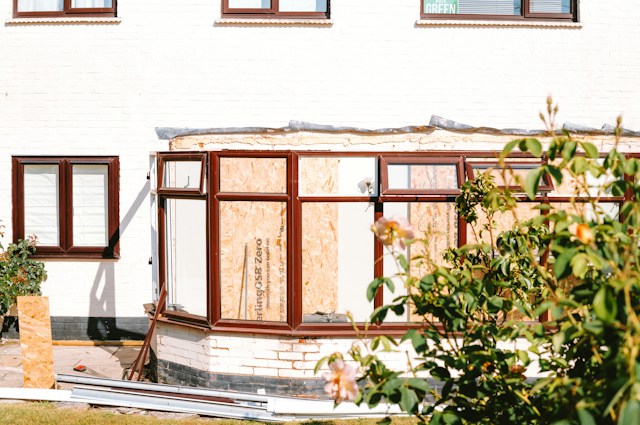
Delaying summer storm damage repairs into fall can allow minor roof, siding, gutter, and moisture problems to spread into more extensive damage. Addressing storm damage before winter can reduce repair costs, simplify insurance documentation, and protect the home from freeze-thaw conditions.
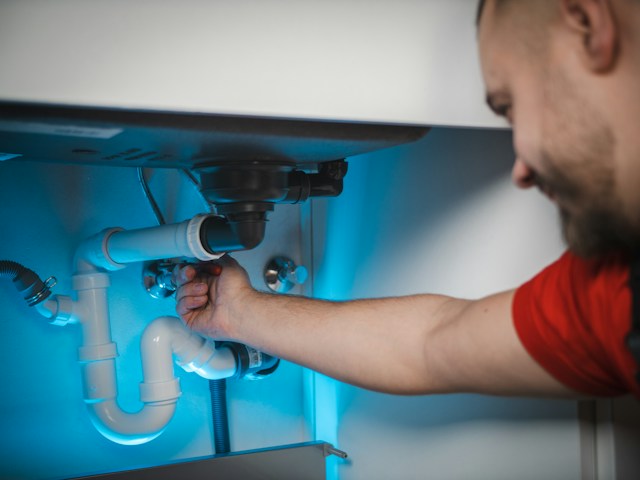
Michigan’s first freeze can expose hidden plumbing and foundation vulnerabilities, including uninsulated pipes, drainage problems, and existing cracks. Preparing these areas before temperatures drop can help prevent burst pipes, moisture intrusion, and costly winter damage.
.jpg)
A fall home inspection can uncover roof, gutter, foundation, plumbing, attic, and wildlife issues before Michigan’s winter weather makes them worse. Addressing small problems before freezing temperatures arrive can help prevent water damage, frozen pipes, structural concerns, and costly repairs.
