

March snowmelt and early spring rain can place heavy pressure on basement drainage systems, making sump pumps critical for preventing flooding. When pumps fail due to lack of maintenance, clogged lines, or power issues, water can quickly fill basements and damage flooring, drywall, and stored belongings. Regular inspection, testing, and maintenance of sump pumps and discharge lines can help homeowners avoid costly water damage during the spring thaw.
March is one of the most unpredictable months for Michigan homeowners. Winter snow begins melting rapidly while seasonal rainstorms arrive at the same time. As temperatures fluctuate above and below freezing, large volumes of water are suddenly released into the soil surrounding homes.
This combination of melting snow, saturated ground, and early spring rain places significant pressure on basement drainage systems. For many homes, the sump pump becomes the primary defense against basement flooding during this time.
Unfortunately, many homeowners assume their sump pump will work when it is needed most. After sitting idle through much of the winter, however, pumps may fail due to mechanical issues, clogged lines, frozen discharge pipes, or electrical problems. When the system stops working during peak snowmelt, water can quickly accumulate inside the basement.
In many cases, the result is several inches of standing water, damaged flooring and drywall, ruined belongings, and the need for professional restoration services.
One of the most common mistakes homeowners make is assuming their sump pump is functioning properly without ever testing it. Because the pump sits inside a basin in the basement floor, it is easy to overlook during routine home maintenance.
Out of sight often means out of mind. Many homeowners forget about the system entirely until heavy water flow arrives in early spring.
Unfortunately, when the pump fails during peak snowmelt, the first sign of a problem is often water spreading across the basement floor.
Sump pumps are mechanical devices that require occasional inspection and maintenance to remain reliable. Over time, debris can accumulate inside the sump basin, and internal components may begin wearing down.
Common maintenance issues include:
In many cases, sump pumps show signs of trouble before they stop working completely. Ignoring these early warning signals can lead to sudden system failure during periods of heavy groundwater flow.
Homeowners should watch for warning signs such as:
When a sump pump stops working during heavy snowmelt or spring storms, water can begin accumulating in the sump basin almost immediately. Normally, the pump activates automatically to remove groundwater before it reaches the basement floor. Without that protection, water levels can rise rapidly.
As groundwater continues entering the drainage system without being pumped away, the sump basin can overflow. Once this happens, water begins spreading across the basement floor and moving toward the lowest areas of the space.
Basement flooding rarely stays contained to a single location. Once water enters the basement, it can travel through a variety of porous building materials that absorb moisture easily.
Water may spread into:
One of the most serious consequences of basement flooding is the potential for mold growth. Mold spores exist naturally in indoor environments, but they require moisture to grow.
When building materials remain damp after flooding, mold can begin developing within 24 to 48 hours. Warm basement conditions combined with moisture create an ideal environment for mold colonies to expand.
Once mold begins growing, it can:
One of the simplest ways to prevent sump pump failure is to test the system before the spring thaw begins. A quick test can confirm that the pump activates properly and removes water efficiently.
Homeowners can test the pump by pouring water directly into the sump basin. When the water level rises, the float switch should trigger the pump to activate automatically. The system should then remove the water and shut off once the basin is empty.
The discharge pipe is responsible for carrying water away from the home’s foundation after the sump pump activates. If this pipe becomes blocked or frozen, water may flow back into the sump basin instead of draining away from the structure.
Homeowners should inspect the discharge line to ensure that it:
Over time, dirt, gravel, and sediment can accumulate in the sump basin. This debris may interfere with the pump’s operation by clogging the intake screen or blocking the float switch that controls activation.
Cleaning the basin periodically removes debris and allows the sump pump to operate more efficiently. A clean basin also reduces the risk of mechanical strain on the pump motor.
Spring storms that bring heavy rainfall often cause power outages. If electricity is lost, a primary sump pump cannot operate, leaving the basement vulnerable to flooding.
Installing a battery backup sump pump provides an additional layer of protection during outages. Backup systems activate automatically if the primary pump loses power, allowing water to continue being removed from the basement.
When basement flooding occurs, immediate action can make a major difference in how much damage the home ultimately suffers. Water spreads quickly across floors, seeps into porous materials, and begins affecting structural components almost right away. The longer moisture remains in place, the greater the risk of mold growth, material deterioration, and long-term damage.
Professional restoration teams respond with specialized equipment designed to remove water and begin drying the basement as quickly as possible. This is especially important after sump pump failure, because the source of flooding often involves a large volume of groundwater entering the space in a short amount of time.
Emergency mitigation services may include:
Once standing water has been removed and the area has been stabilized, the restoration process focuses on repairing the materials that were affected by flooding. Water damage from sump pump failure often impacts more than just the visible floor area. Drywall, insulation, framing, and finished basement materials may all require attention.
Restoration professionals assess the extent of the moisture damage and determine which materials can be dried and saved and which ones need to be replaced.
Restoration services may include:
Sump pumps play a critical role in protecting basements from groundwater during Michigan’s spring thaw. When snow melts and heavy rain arrives in March, these systems must operate continuously to keep water away from the foundation.
Unfortunately, many homeowners overlook sump pump maintenance until the system fails. A pump that stops working during peak snowmelt can allow water to enter the basement quickly, leading to extensive damage and costly restoration work.
If your basement has flooded due to sump pump failure, fast professional response can prevent the damage from spreading. Titus Restoration provides expert water damage mitigation and emergency flood cleanup services designed to protect your home and restore affected areas quickly.
Titus Restoration
📞 (586) 371-5144
📧 titusrestores@gmail.com
📍 72755 Van Dyke Rd, Bruce Township, MI 48065
🌐 https://titusrestore.com
Discover the latest strategies for effective water damage restoration and how our 24/7 emergency response can safeguard your home.

Delaying summer storm damage repairs into fall can allow minor roof, siding, gutter, and moisture problems to spread into more extensive damage. Addressing storm damage before winter can reduce repair costs, simplify insurance documentation, and protect the home from freeze-thaw conditions.
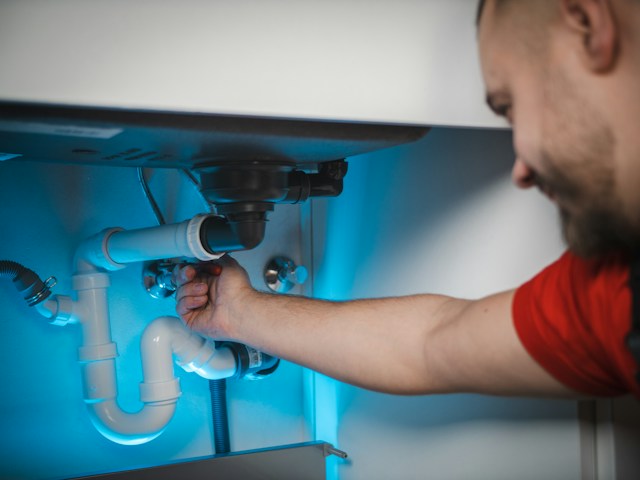
Michigan’s first freeze can expose hidden plumbing and foundation vulnerabilities, including uninsulated pipes, drainage problems, and existing cracks. Preparing these areas before temperatures drop can help prevent burst pipes, moisture intrusion, and costly winter damage.
.jpg)
A fall home inspection can uncover roof, gutter, foundation, plumbing, attic, and wildlife issues before Michigan’s winter weather makes them worse. Addressing small problems before freezing temperatures arrive can help prevent water damage, frozen pipes, structural concerns, and costly repairs.
