
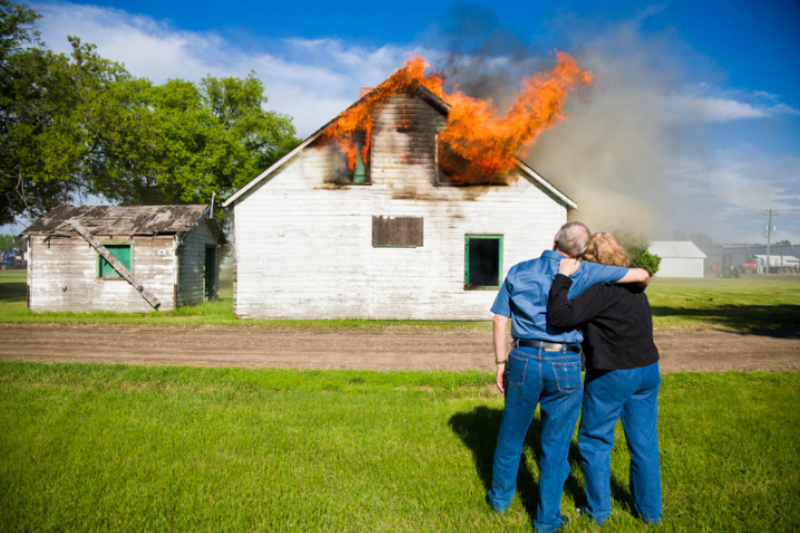
Space heaters, fireplaces, and furnaces can increase fire risks as Michigan homeowners begin heating their homes each fall. Simple precautions, routine maintenance, and recognizing early warning signs can help prevent fires, smoke damage, and costly restoration.
There's a morning every October when you wake up, feel the chill in the floor, and finally give in. The thermostat clicks over to heat. A faint, toasty smell drifts up from the vents. Somewhere in the house, someone pulls the space heater out of the closet and plugs it in by the couch.
It's one of the coziest moments of the year in Shelby Township, Rochester, and Auburn Hills. It's also when home fire risk starts to climb. The National Fire Protection Association (NFPA) ranks heating equipment as the second-leading cause of home fires in the U.S. And Michigan homes lean on that equipment for more than half the year.
Three heat sources, three different risks
Small appliances that need three feet of clearance and a direct wall outlet.
Creosote, cracked liners, and hot ashes that stay dangerous for days.
Storage creep, clogged filters, and carbon monoxide from fuel-burning equipment.
NFPA recommends keeping anything that can burn at least three feet from a space heater. That's harder than it sounds. The usual offenders include:
Space heaters draw a lot of power. Most extension cords and power strips can't carry that load for hours without overheating. Plug heaters directly into a wall outlet, and keep that outlet free of other high-draw devices.
That heater from a garage sale or your parents' basement might still work. But older units often lack features that newer models include as standard:
Older heater vs. newer heater
| Safety feature | Many older units | Most newer units |
|---|---|---|
| Tip-over switch | Often missing | Cuts power if the heater falls |
| Overheat shutoff | Often missing | Turns off automatically when too hot |
| Housing and elements | Hot surfaces, exposed coils | Cool-touch housing, guarded elements |
| Safety certification | May have no label | Label from a recognized testing lab |
Swipe sideways to see the full table.
Scorch marks or discoloration on the heater, cord, or nearby wall; an outlet or plug that feels hot to the touch; a melting plastic or electrical burning smell; or buzzing, flickering, or the heater cycling on and off unexpectedly.
Every wood fire leaves behind creosote, a tar-like residue that coats the inside of the chimney. It's highly flammable. A thick enough layer can ignite, sometimes with a loud roar and sometimes almost silently. NFPA has long identified failure to clean, mostly chimneys, as a leading factor in home heating fires.
A chimney can look fine from the outside and still hide real problems:
Ashes that look cold can hold live embers for days. Tossing them in a paper bag or plastic bin can start a fire long after the fireplace goes dark. Use a metal container with a tight lid. Store it outside, well away from the house, deck, and garage.
Gas fireplaces skip the creosote, but they aren't maintenance-free. A yearly service visit catches gas leaks, blocked vents, and worn igniters before they become bigger problems.
A light burning-dust smell during the first few heating cycles is normal. It should fade within a few hours. Call an HVAC technician if you notice:
Basements and utility rooms tend to collect stuff. Over the years, boxes, paint cans, cleaning supplies, and old furniture inch closer to the furnace and water heater. Keep at least three feet clear around all heating equipment. Never store gasoline, solvents, or other flammables in the same room.
A clogged filter makes your furnace run harder and hotter, so check it monthly during heating season. An annual tune-up adds another layer of protection. A technician will typically inspect:
Carbon monoxide isn't fire, but it comes from the same fuel-burning equipment. A cracked heat exchanger or blocked vent can push this colorless, odorless gas into your living space. Working CO detectors on every level and near sleeping areas are a must during heating season.
Your 3-step fall fire safety walkthrough
Test every smoke and CO alarm, replace batteries or expired units, and confirm there's a smoke alarm in each bedroom, outside sleeping areas, and on every level.
Walk through every room with a heat source and move anything within three feet of the furnace, water heater, fireplace, wood stove, or space heater.
Book a certified chimney sweep, a licensed HVAC technician, and an electrician if outlets feel warm, breakers trip often, or lights dim when the heater runs.
If the worst happens, fire damage restoration is about much more than what burned.
Smoke moves through a house fast. It slips under doors, into closets, and through ductwork. If the furnace was running during the fire, soot can reach every room tied to the HVAC system. Soot is also acidic, so it can stain and corrode surfaces the longer it sits, which is why professional restoration cleaning matters.
Putting out a fire often takes a lot of water. That water soaks into drywall, insulation, subfloors, and carpet. Left untreated, it can lead to mold growth within 24 to 48 hours. That's why fire and water damage restoration almost always go hand in hand.
Smoke odor doesn't just hang in the air. It works its way into porous materials like:
Why fast action saves more
Keeps soot from permanently etching surfaces.
Dries out water before mold takes hold.
Protects the property against weather and further damage.
Captures clear documentation for your insurance claim.
Dealing with fire, smoke, or water damage right now? We respond 24/7.
Call (586) 610-8608If it's safe, take photos and video of every affected room before anything gets moved or tossed. Keep receipts for hotel stays, meals, and emergency purchases. Coverage varies by policy, but thorough documentation usually makes the process smoother. Our guide to handling a fire or water emergency during the holidays covers more first steps.
Titus Contracting Group provides insurance claim assistance as part of the restoration process. That can include:
Paul, Titus's owner, stays personally involved from the first call through the final walkthrough. Homeowners regularly mention his clear communication and honesty about what to expect. When your home is torn apart, a straight answer from someone you know by name makes a real difference.
Most heating fires don't come out of nowhere. They grow from small things nobody got around to, like a dusty chimney or a heater parked too close to the bed. The fixes are just as small, and they add up over a long Michigan winter.
Think of fall fire safety as a handful of habits rather than a big project. Test the alarms, keep the space clear, and have the chimney and furnace checked once a year. Your home stays warm, and everyone in it sleeps a little easier.
Titus Contracting Group
Whether fire has already damaged your home or something just doesn't feel right, Titus Contracting Group is ready to help. We handle fire damage restoration, smoke and soot cleanup, and the water damage repair that often follows, with free inspections and 24/7 emergency response across Shelby Township, Rochester, Auburn Hills, Orion Township, and nearby communities.
Follow our restoration projects on Instagram.
Discover the latest strategies for effective water damage restoration and how our 24/7 emergency response can safeguard your home.
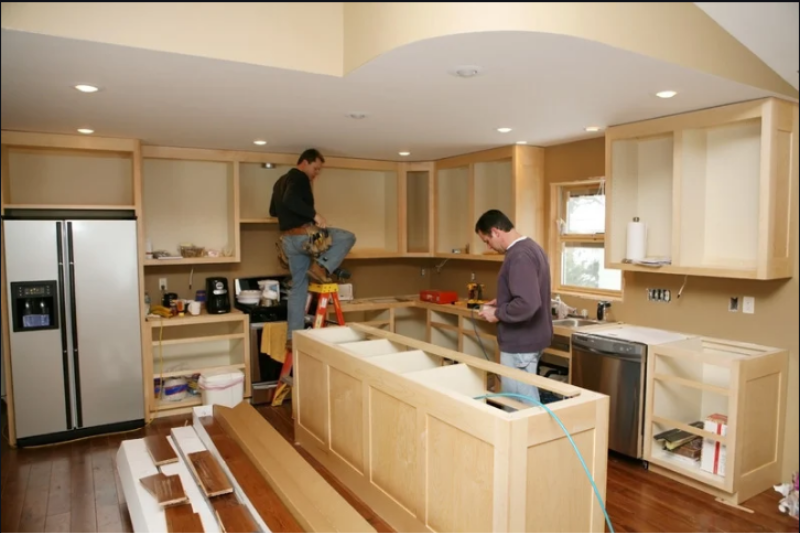
A kitchen remodel can still be completed before the holidays when the project scope matches the available timeline. Cosmetic updates, countertops, lighting, and other targeted improvements may fit before Thanksgiving or Christmas, while larger renovations are often better planned for the new year.
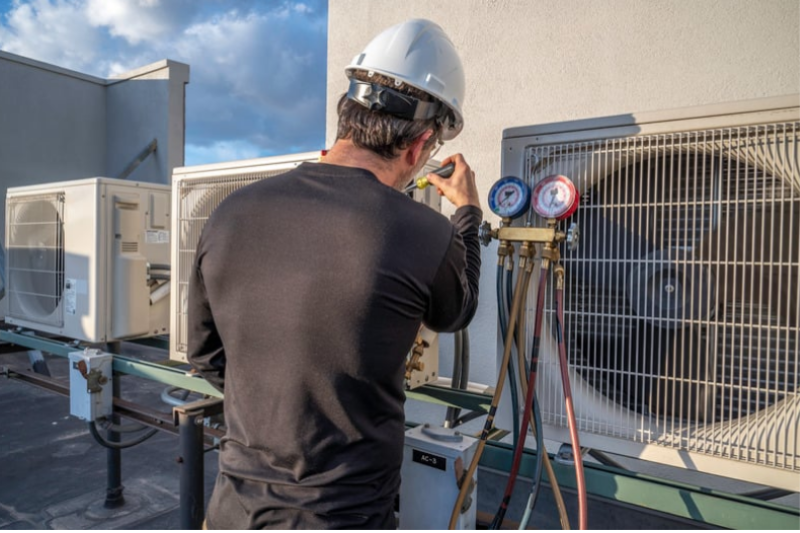
A free fall home inspection can uncover small roofing, foundation, moisture, plumbing, and wildlife problems before winter makes them worse. Addressing these issues before Michigan's freeze-thaw cycles, snow, and ice arrive can help prevent costly repairs and unexpected emergencies.
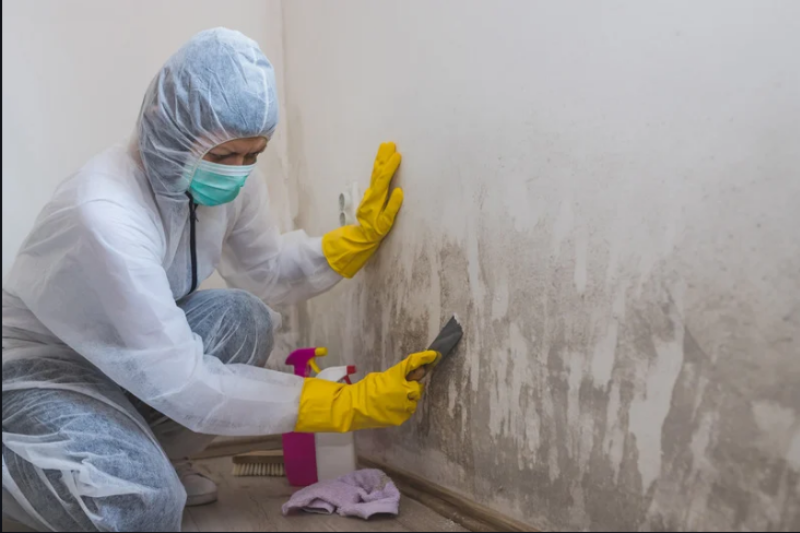
A musty smell when the furnace first turns on may point to hidden mold or moisture inside ductwork, HVAC components, or nearby building materials. Recognizing the difference between normal burning dust and persistent mold odors can help Michigan homeowners address problems before winter.
