
-2.png)
Late summer in Michigan brings volatile storms—heavy rain, high winds, hail, and even tornadoes—that can strike with little warning. Regular pre-storm maintenance like roof inspections, gutter cleaning, and testing your sump pump helps prevent leaks, flooding, and structural damage. After a storm, prioritize safety, document any damage, and check for hidden water intrusion or mold growth. Acting quickly and partnering with professionals ensures your home weathers the season without costly surprises.
When most Michigan homeowners think of storm season, their minds go straight to springtime. April showers, May floods, the usual. But late summer in Michigan—especially August and September—brings its own brand of volatile weather that can be just as destructive, if not more so.
As temperatures peak and humidity levels surge, the conditions become ripe for severe thunderstorms, heavy rainfall, high winds, hail, and even the occasional tornado warning. These late-summer storms can form rapidly and strike with little warning, turning a peaceful afternoon into a flash flood or downed power line emergency within minutes.
What makes this time of year particularly dangerous is that many people let their guard down. By August, the yard has been mowed, the gutters have held up (so far), and the roof hasn’t shown any signs of trouble. But that sense of security can be misleading. Late summer storms often carry stronger wind gusts, dump larger amounts of rain in shorter periods, and are more likely to strike during a heatwave when the ground is already saturated and drainage systems are overburdened.
If your home hasn’t been inspected or prepped since the spring, you may be more vulnerable than you think. Loose shingles, clogged gutters, untested sump pumps, or overgrown tree limbs can turn a passing storm into a costly home repair project overnight.
When it comes to late summer storms in Michigan, the difference between minimal inconvenience and thousands of dollars in damage often comes down to how prepared you are before the rain and wind arrive. These storms can form fast, so proactive home maintenance is key to staying protected.
Your roof takes the brunt of every storm—so don’t leave it to chance. Walk around your home and visually inspect your roof from the ground (binoculars can help). Look for:
If you notice any of these signs—or if your roof hasn’t been professionally inspected in over a year—it’s smart to bring in an expert. Small repairs now can prevent major leaks during the next big storm.
Pro Tip: Take before-storm photos of your roof as documentation in case you need to file an insurance claim later.
Clogged gutters are one of the leading causes of water intrusion during heavy rain. Leaves, twigs, and debris can cause water to back up and overflow, soaking your siding and pooling near your foundation.
Be sure to:
Bonus: Add gutter guards if you’re in a heavily wooded area to reduce future buildup.
Your home’s windows and doors are vulnerable to driving rain and wind pressure. Even small gaps or old caulking can allow water to sneak in during a storm.
Here’s what to do:
Water that enters through window frames can quickly damage drywall, insulation, and even flooring—so this is an easy fix that goes a long way.
Basement flooding is a common late summer issue in Michigan, especially after prolonged or intense storms. A functioning sump pump is your best defense—but only if it works when you need it.
Check the following:
Pro Tip: Keep a battery-powered water sensor near your sump pump or basement floor to catch early signs of water.
Michigan’s lush trees can quickly turn hazardous in storm conditions. Dead or overhanging limbs can fall and cause serious damage to your roof, siding, vehicles, or power lines.
Take action now by:
Even smaller objects like flowerpots or children’s toys can become projectiles during a storm—and pose a risk to windows or siding.
When the skies finally clear after a late summer storm, it’s tempting to breathe a sigh of relief and move on. But this is exactly when your response matters most. Storm damage can be subtle at first, but if ignored, small issues can quickly turn into major repairs.
Your safety always comes first. Storms can leave behind more than just water—they can compromise your electrical system, damage structural supports, and leave behind dangerous debris.
Do this before anything else:
Once the immediate risks are under control, start documenting any visible damage before cleanup begins. Take clear photos and videos of affected areas, including ceilings, walls, flooring, and the exterior. These will be critical if you need to file an insurance claim.
Even if everything seems fine at first glance, water may have entered in places you’re not expecting. Start by doing a full walkthrough of your home and:
Use fans or dehumidifiers to begin drying small, manageable areas. However, if you find widespread water intrusion, warped materials, or standing water, it’s best to call in a water damage restoration professional like Titus Contracting. The longer water sits, the more damage it can do.
Your roof and siding are most vulnerable during high winds and heavy rain. After the storm:
Even small breaches in the roof can allow water to slowly seep in over the following days. Take photos of any damage—even if it seems minor—and document the date for your insurance provider.
Tip: Don’t climb onto your roof unless you’re experienced and it’s completely safe. Professional inspection is always recommended after major storms.
Mold doesn’t wait long to move in. In fact, under the right conditions, mold can begin growing within 24 to 48 hours of water exposure. Early signs include:
If you suspect mold, avoid disturbing the area and call a mold remediation professional. Improper handling can cause spores to spread and worsen the contamination.
Late summer storms in Michigan don’t always come with warning—and when they do, the window to prepare is often short. But the truth is, you don’t have to be caught off guard. With just a few preventative steps, you can protect your home from the most common forms of storm damage: leaks, flooding, mold, and structural wear.
From inspecting your roof to clearing gutters and checking your sump pump, small maintenance tasks now can prevent major headaches later. And while not every disaster can be avoided, your response time matters. The sooner you act, the more damage you can prevent—and the faster your home can return to normal.
So as August and September roll in with unpredictable weather, take a few moments to storm-proof your home. And if the storm leaves its mark? Know that you’re not alone. A trusted local team is just one call away.
Discover the latest strategies for effective water damage restoration and how our 24/7 emergency response can safeguard your home.
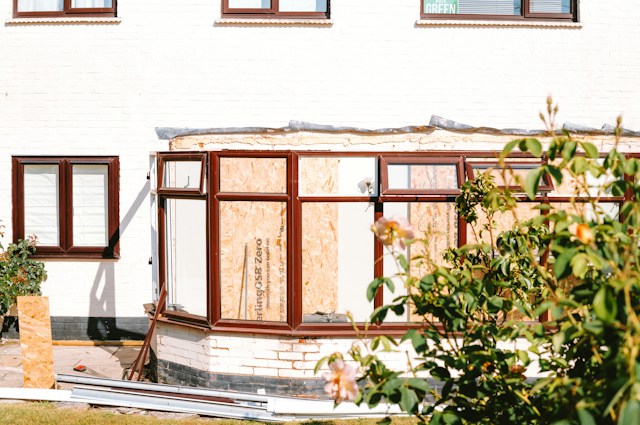
Delaying summer storm damage repairs into fall can allow minor roof, siding, gutter, and moisture problems to spread into more extensive damage. Addressing storm damage before winter can reduce repair costs, simplify insurance documentation, and protect the home from freeze-thaw conditions.

Michigan’s first freeze can expose hidden plumbing and foundation vulnerabilities, including uninsulated pipes, drainage problems, and existing cracks. Preparing these areas before temperatures drop can help prevent burst pipes, moisture intrusion, and costly winter damage.
.jpg)
A fall home inspection can uncover roof, gutter, foundation, plumbing, attic, and wildlife issues before Michigan’s winter weather makes them worse. Addressing small problems before freezing temperatures arrive can help prevent water damage, frozen pipes, structural concerns, and costly repairs.
