
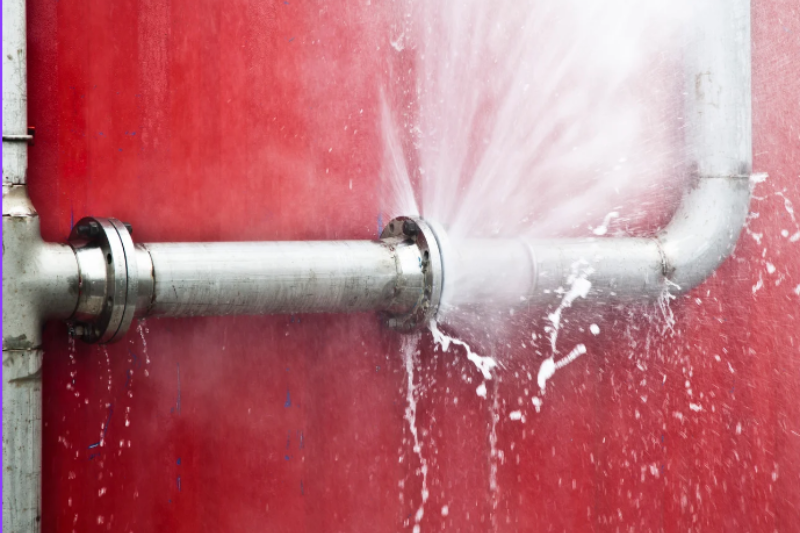
Freezing temperatures can cause pipes to ice over, burst, and flood a home within minutes, making fast action essential for Michigan homeowners. Knowing how to relieve pressure, safely warm pipes, and shut off your main water supply can significantly limit damage. Professional restoration helps extract water, prevent mold, repair plumbing, and restore your home to safe condition.
Michigan winters are no joke—and when temperatures take a sudden dive, homeowners face one of the most damaging cold-weather emergencies: frozen pipes. At Titus Contracting, we see this problem every year, often affecting families who had no idea their plumbing was vulnerable until water started pouring through a ceiling, wall, or basement. Frozen pipes don’t just disrupt your day—they can create hidden destruction that lingers long after the ice melts.
When we receive a frozen pipe call, we treat it as an urgent situation. Water moves fast, and every minute counts. Our team responds 24/7 because the sooner we can shut down the damage, the more of your home—and your belongings—we can save. We use advanced moisture detection tools to identify hidden water behind walls and ensure your home dries thoroughly and safely.
The moment you think a pipe may be freezing, turn on the faucet connected to that line. Even a small trickle helps release pressure inside the pipe. Pressure is what causes pipes to rupture, so giving the water somewhere to go buys you valuable time and reduces the risk of a sudden burst once the ice expands.
Next, increase your thermostat a few degrees. This helps warm cold zones inside walls, under sinks, and around plumbing lines. Open kitchen and bathroom cabinets to let warm indoor air reach the pipes directly. If you have pipes in crawl spaces, basements, or utility rooms, try directing warm airflow toward those areas as well.
If the pipe is exposed and easy to reach, you can try gentle warming methods:
You want slow, controlled heat—not high-intensity blasts. Gradual warming helps the ice melt safely and reduces stress on the plumbing.
This is one of the most dangerous mistakes homeowners make in Michigan. Open flames can cause pipes to overheat, crack, or even explode. They can also ignite nearby insulation, drywall, or framing. We strongly advise against:
The fire risk alone makes these methods extremely unsafe.
If you’ve spent 10–15 minutes applying safe, consistent warmth and the pipe still isn’t thawing—or the area feels concerningly cold—it’s time to call a professional. Continuing to force heat can crack the pipe or cause a burst once the ice finally loosens.
We’ve responded to countless homes where well-intentioned homeowners accidentally:
DIY thawing can work in mild cases, but severe freezes need trained eyes and proper equipment.
Your first move is to stop the flow of water. Most Michigan homes have shutoff valves located:
Find this valve now, before an emergency ever happens. In an ideal world, every family member should know exactly where it is and how to turn it off.
Water and electricity are a dangerous mix. If the burst pipe is near electrical outlets, appliances, or your breaker panel, shut off power to that part of the home. This helps prevent electrical fires, shorts, and shock hazards.
Once water is off, take quick action:
This helps slow the spread of moisture while you wait for help.
Water travels fast. Move anything sensitive—documents, wooden furniture, electronics, holiday decorations—away from affected areas. Even small amounts of moisture can permanently damage these items.
Before we arrive, take as many photos and videos as possible:
Documentation helps you prove the scope of damage and speeds up your claim when working with your insurance adjuster.
Even in freezing weather, indoor water damage creates enough humidity and warmth for mold to grow surprisingly fast. Once mold sets in behind walls or under flooring, restoration becomes more complex and expensive. This is why beating the clock is so important.
Our first priority is to remove standing water as quickly as possible. Using high-powered extraction pumps and wet vacuums, we pull water out of carpets, flooring, basements, and affected rooms. Fast extraction prevents the moisture from spreading into neighboring areas of your home.
Once water is removed, we bring in professional drying equipment. Air movers push moisture out of building materials, while industrial dehumidifiers pull that moisture out of the air. In colder months, we often add controlled heat systems to accelerate drying, especially in Michigan homes that have already experienced low indoor temperatures.
Water loves to hide. We use moisture meters, hygrometers, and infrared thermal imaging to identify where moisture has migrated behind walls, under flooring, and inside insulation. This ensures we dry every saturated area—not just the parts you can see.
If building materials are too damaged or saturated to save, we carefully remove them to prevent mold growth and lingering structural issues. That can include:
Removing the damaged materials allows the underlying structure to dry properly.
Anytime water sits inside a home—even for a short period—mold becomes a risk. We apply antimicrobial treatments to affected surfaces to stop mold before it has a chance to grow. Preventative treatment is especially important in Michigan’s closed-up winter environment, where humidity can build quickly indoors.
Once the immediate damage is under control, we work with licensed plumbing partners to repair or replace the burst pipe. Fixing the source of the problem ensures your system is safe to use again and helps protect against future breaks.
After cleanup and drying are complete, we rebuild. Our restoration team replaces:
We restore your home as if the damage never happened, giving you peace of mind and a fully repaired living space.
Frozen pipes and winter water damage can feel overwhelming, but with fast action and the right restoration team, the situation is absolutely solvable. Early detection, quick shutoff, and professional help can save you time, money, and stress—especially during frigid Michigan winters.
We encourage all homeowners to prepare now, long before the next deep freeze arrives. Whether you need prevention tips, insulation help, an emergency response, or full restoration after a burst pipe, we’re here to protect your home and guide you through every step.
When frozen pipes strike, you don’t have to face the damage alone. Let our team at Titus Contracting take it from here.
Discover the latest strategies for effective water damage restoration and how our 24/7 emergency response can safeguard your home.
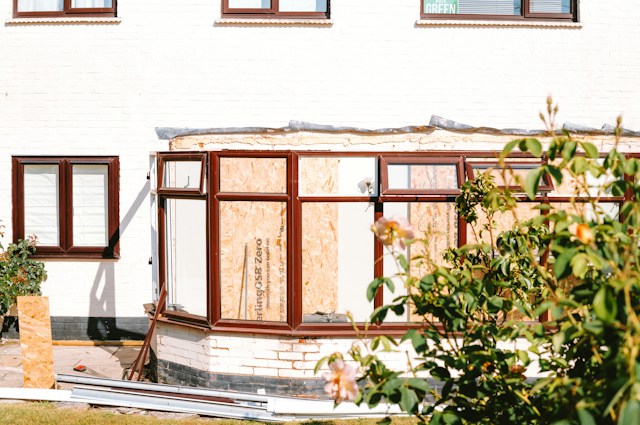
Delaying summer storm damage repairs into fall can allow minor roof, siding, gutter, and moisture problems to spread into more extensive damage. Addressing storm damage before winter can reduce repair costs, simplify insurance documentation, and protect the home from freeze-thaw conditions.
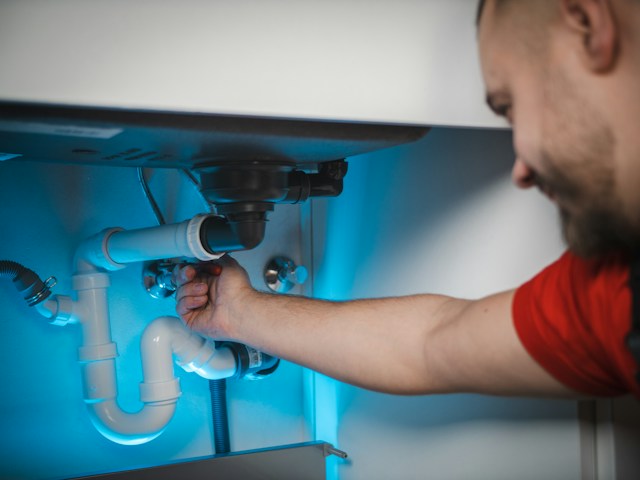
Michigan’s first freeze can expose hidden plumbing and foundation vulnerabilities, including uninsulated pipes, drainage problems, and existing cracks. Preparing these areas before temperatures drop can help prevent burst pipes, moisture intrusion, and costly winter damage.
.jpg)
A fall home inspection can uncover roof, gutter, foundation, plumbing, attic, and wildlife issues before Michigan’s winter weather makes them worse. Addressing small problems before freezing temperatures arrive can help prevent water damage, frozen pipes, structural concerns, and costly repairs.
