
-1.png)
Fall is an ideal time for home renovations, but hidden water damage—behind walls, under floors, or in attics—can turn a remodel into a costly disaster. Slow leaks, past storm intrusion, and HVAC condensation often go unnoticed until demolition uncovers mold, rot, or structural issues. A professional moisture inspection using tools like thermal imaging and moisture meters can reveal these problems early. Addressing water damage before construction starts saves time, money, and protects your new finishes.
There’s a reason so many homeowners choose fall as the perfect time to start remodeling projects. The weather is cooler, contractors often have more availability, and wrapping up home improvements before the holidays feels both productive and practical. Whether you’re planning a kitchen remodel, a bathroom upgrade, or finishing your basement before winter sets in, autumn is ideal for tackling these renovations.
But before you start ordering new tile or scheduling demolition, there’s one essential step that many homeowners overlook: checking for hidden water damage.
Water damage has a way of lurking out of sight—beneath floors, behind walls, or in areas like crawlspaces and attics. It doesn’t always announce itself with big, obvious problems like soaked carpet or visible mold. Sometimes, it hides quietly, slowly compromising your home’s structural integrity or laying the groundwork for mold growth. And once your remodeling project begins, hidden moisture issues can turn into expensive surprises.
Unlike a burst pipe or flooded basement, many forms of water damage develop slowly and silently. Slow leaks behind walls, under cabinets, or in your attic may go unnoticed for months—sometimes years—before they make their presence known.
By the time you’re pulling out old drywall, removing tile, or reconfiguring walls, you may discover:
Even cosmetic fixes—like painting over water stains or rearranging furniture—can mask the warning signs of deeper issues. A fresh coat of paint might hide discoloration, but it won’t stop the mold growing behind it.
You don’t need an active leak to have water damage. Previous storms, past plumbing problems, or even persistent HVAC condensation can leave behind moisture that was never fully addressed. This is especially common in homes that experienced:
Even minor incidents—like a tub overflow that didn’t seem to cause any issues—can result in hidden swelling, soft drywall, or long-term microbial growth that quietly degrades materials over time.
If water damage is discovered after your remodel is already underway, your project timeline—and budget—can take a serious hit.
In many cases, a mid-project discovery means your contractor has to pause the renovation, bring in a restoration team, and wait for the area to be dried, cleaned, and cleared before continuing. That can mean additional permit delays, rescheduled subcontractors, and increased labor and materials costs.
Planning ahead with a professional water damage inspection gives you the opportunity to address hidden problems before they snowball—so your fall remodel stays on track from start to finish.
Basements are notorious for harboring water problems—especially in Michigan, where seasonal rains and snowmelt can overwhelm drainage systems.
What to look for:
Even if you don’t see water, that unmistakable basement smell is often a red flag. Addressing it now can prevent serious damage to your renovation materials later.
These rooms are among the most popular for fall remodeling—and they also have the highest exposure to water. Leaks from plumbing fixtures often go unnoticed for months, slowly warping cabinetry or damaging subflooring beneath tile.
Inspect:
Catching and resolving these problems before tile, cabinetry, or fixtures are installed saves you time, money, and potential rework.
Many homeowners don’t think to inspect their ceiling or attic space before a remodel—but they should. Moisture from small roof leaks, poor insulation, or HVAC condensation can wreak havoc in upper-story rooms or attic conversions.
Watch for:
If you’re planning to finish an attic or convert a second-floor space, be especially diligent. Even a small leak can silently soak into support beams or ceiling panels, undermining your remodel before it starts.
Michigan weather is unpredictable—and that means your home’s outer shell takes a beating. Water intrusion through unsealed or aging windows and siding can rot wood framing or soak insulation long before you notice a problem.
Check for:
If you’re replacing drywall, upgrading insulation, or reconfiguring exterior walls, this step is non-negotiable. Otherwise, your new finishes may be covering up serious long-term damage.
Experienced restoration professionals use specialized tools and techniques that go far beyond a flashlight and guesswork.
These tools allow technicians to pinpoint moisture pockets that would otherwise go unnoticed, preventing problems that could surface after your remodel is finished.
If you’re planning to install new flooring, cabinets, drywall, or trim, covering up hidden moisture means you’re sealing in the problem—and giving mold or rot a chance to grow in the dark.
A professional moisture inspection:
Remodeling on top of undetected water damage is like building a house on a soggy foundation—it looks fine now, but problems will show up sooner than you think.
Discovering water damage in the middle of a remodel is every homeowner’s nightmare. At that point, you’re facing project delays, added labor, surprise expenses, and possibly even rework on materials you just paid to install.
By catching these issues in advance, a professional inspection allows you to:
In short, a little preparation now could save you thousands later—and protect your renovation timeline from grinding to a halt halfway through.
A fall remodel can breathe new life into your home—creating a more beautiful, functional space just in time for the holidays or the quiet of winter. But no matter how exciting your renovation plans may be, skipping a pre-check for water damage is a risk you don’t want to take.
Water issues that go undetected before construction can derail your project in costly and frustrating ways. What looks like a minor stain or a harmless draft could be a sign of deeper trouble—mold, rot, or structural instability—just waiting to be uncovered during demolition.
By taking a few proactive steps now, you can ensure your remodeling project stays on track, on budget, and built on a solid foundation. Peace of mind begins with prevention.
Discover the latest strategies for effective water damage restoration and how our 24/7 emergency response can safeguard your home.
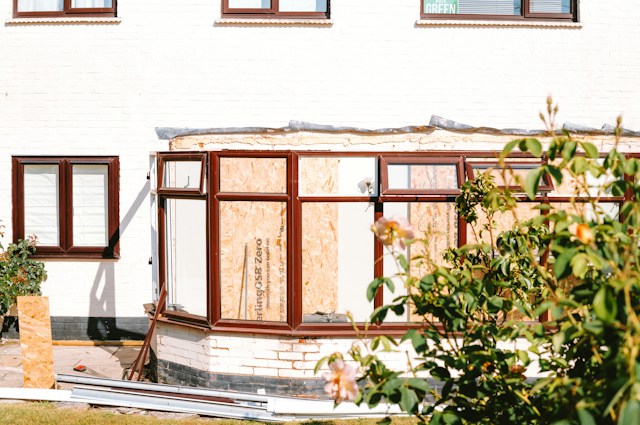
Delaying summer storm damage repairs into fall can allow minor roof, siding, gutter, and moisture problems to spread into more extensive damage. Addressing storm damage before winter can reduce repair costs, simplify insurance documentation, and protect the home from freeze-thaw conditions.
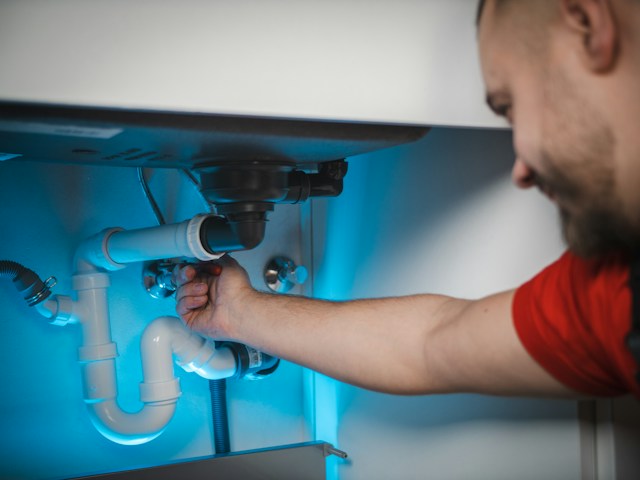
Michigan’s first freeze can expose hidden plumbing and foundation vulnerabilities, including uninsulated pipes, drainage problems, and existing cracks. Preparing these areas before temperatures drop can help prevent burst pipes, moisture intrusion, and costly winter damage.
.jpg)
A fall home inspection can uncover roof, gutter, foundation, plumbing, attic, and wildlife issues before Michigan’s winter weather makes them worse. Addressing small problems before freezing temperatures arrive can help prevent water damage, frozen pipes, structural concerns, and costly repairs.
