
-5.png)
Water damage can escalate from a minor spill to structural ruin and mold in just 24–48 hours, so prompt action is crucial. For small, clean-water incidents on non-porous surfaces, DIY cleanup with a wet/dry vac and fans may suffice. However, widespread, contaminated, or hidden moisture always calls for professional restoration—experts use advanced drying equipment, detect hidden water, prevent mold, and guide insurance claims. Choosing pros ensures thorough, safe recovery and long-term savings.
Water damage doesn’t wait—and neither should you. Whether it’s a burst pipe, a flooded basement, or stormwater creeping into your crawlspace, time is of the essence. Within just a few hours of exposure, water can begin wreaking havoc on your home’s structure, air quality, and safety. What looks like a simple puddle or damp carpet can rapidly spiral into widespread problems that impact not just your property—but your health and finances as well.
In as little as 24 hours, standing water can promote mold growth, even in places you can’t see—like behind drywall or under flooring. Wooden beams and drywall can begin to swell, warp, and weaken, threatening the integrity of your structure. Moisture can seep into insulation, damage electrical wiring, and create an environment that’s unsafe for both people and pets. The longer water sits, the higher the risk for electrical hazards, mold spores, and irreversible damage to personal belongings.
In the midst of this chaos, many homeowners are left wondering:
“Do I really need to call a restoration company—or can I handle this myself?”
It’s a fair question, especially for those looking to save money or feeling empowered to tackle household issues head-on. The answer? It depends. The severity, source, and scope of the damage all play a critical role in determining whether DIY cleanup is appropriate—or if bringing in professional help is the smarter (and safer) move.
Tackling water damage yourself can be tempting—especially when the situation appears manageable at first glance. After all, with a few towels, a wet/dry vacuum, and some determination, it seems like you could save time and money. But water damage cleanup is more complex than it looks on the surface, and DIY efforts come with serious limitations and potential risks.
If you’re dealing with clean water (Category 1) from a source like a sink overflow or appliance leak, and the damage is limited to a small, non-porous area, DIY can be a budget-friendly solution. You avoid service call fees and labor costs—provided everything goes smoothly.
Time is critical during a water emergency. With DIY, there’s no waiting for a crew to arrive—you can spring into action right away with towels, mops, box fans, and a wet/dry vac, which can help reduce damage in the first few hours.
For some homeowners, taking matters into their own hands provides a sense of confidence and autonomy. It’s your home, and being part of the solution can be empowering—especially if you’re experienced with home maintenance tasks.
Household tools may remove surface moisture, but they simply can’t reach water trapped inside walls, beneath flooring, or behind cabinets. Without commercial-grade air movers, dehumidifiers, and moisture meters, you’re left guessing—and moisture left behind can lead to long-term damage.
Water has a sneaky way of traveling. What looks like a small puddle can saturate insulation, seep under baseboards, or even wick up drywall. These areas can rot, swell, or develop mold if not properly dried—a risk many DIYers miss entirely.
When gray or black water is involved (from a dishwasher, toilet, or flood), you’re not just cleaning water—you’re exposing yourself to pathogens, bacteria, and mold spores. Without protective gear and proper sanitization, DIY cleanup can jeopardize your health.
If your insurance company reviews a claim and finds that the damage was made worse by incomplete or improper cleanup, they may reduce or deny coverage. Professional documentation and restoration ensure you’re protected and compensated fairly.
DIY water cleanup isn’t a quick task. It can take hours—or even days—to thoroughly dry, monitor, clean, and restore affected areas. And if you miss something, you may find yourself back at square one with a mold problem or structural issue down the road.
Not every water emergency requires a restoration crew. In limited scenarios, DIY might be a reasonable option:
Even in these cases, keep a close eye on the area over the next few days. If you notice musty odors, dampness, or discoloration, call a professional right away.
While DIY cleanup might be effective in small, low-risk scenarios, the vast majority of water damage incidents call for professional intervention. Why? Because water doesn’t just sit on the surface—it spreads, soaks, and hides. If not thoroughly removed and dried, it can silently compromise your home’s structure and safety.
Professionals come equipped with industry-specific technology that far exceeds what’s available at your local hardware store. This includes:
These tools are essential for achieving full structural drying—a critical step often overlooked in DIY cleanup. Without them, residual moisture can linger and lead to ongoing damage.
Water damage restoration isn’t just about drying surfaces—it’s about making critical assessments that ensure safety and long-term stability. Professional technicians are trained to:
When you hire a certified restoration company, you benefit from years of field experience and up-to-date industry standards—giving you the highest chance of a full, safe recovery.
One of the biggest post-water damage threats is mold. Mold can begin growing within 24 to 48 hours, and once established, it spreads rapidly and is difficult (and expensive) to eliminate.
Professional crews don’t just dry your home—they take steps to:
This proactive approach to mold prevention protects both your health and your home’s value.
Navigating an insurance claim can be overwhelming, especially in the middle of a stressful event. Reputable restoration companies streamline the process by:
At Titus Contracting, we’ve worked with many major insurance carriers and know exactly what documentation is needed to support your claim.
While hiring professionals comes with an upfront cost, it can save you thousands in the long run by preventing:
In short, professional restoration protects your investment and reduces the likelihood of repeated repairs down the line.
Water damage is one of those household emergencies that can start small—but escalate fast. While a minor clean water spill on a tile floor might be safe to handle on your own, the moment water seeps into porous materials, hides behind walls, or involves any degree of contamination, the situation becomes far more serious.
DIY cleanup can give a false sense of resolution. You may mop the surface dry, but the real damage may lie beneath—in insulation, subflooring, and even electrical systems. Left untreated or improperly handled, this can lead to mold infestations, rot, air quality issues, and costly structural damage.
That’s why knowing when to call a professional isn’t just smart—it’s essential. A certified water damage restoration team brings not only the tools and training, but also the eye for hidden risk that ensures every drop of moisture is addressed before it becomes a long-term problem.
When in doubt, protect your home, your health, and your peace of mind by choosing a trusted, local partner.
Discover the latest strategies for effective water damage restoration and how our 24/7 emergency response can safeguard your home.
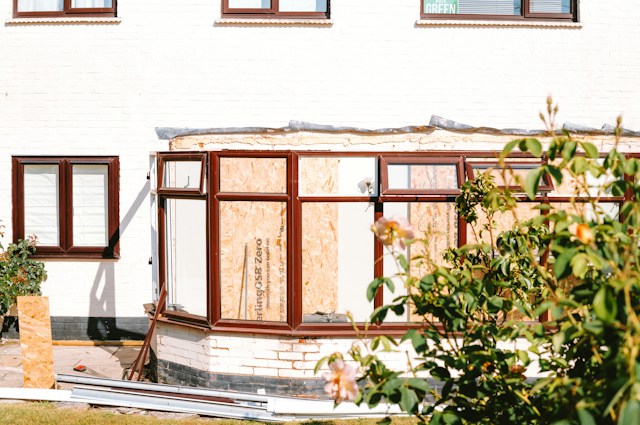
Delaying summer storm damage repairs into fall can allow minor roof, siding, gutter, and moisture problems to spread into more extensive damage. Addressing storm damage before winter can reduce repair costs, simplify insurance documentation, and protect the home from freeze-thaw conditions.
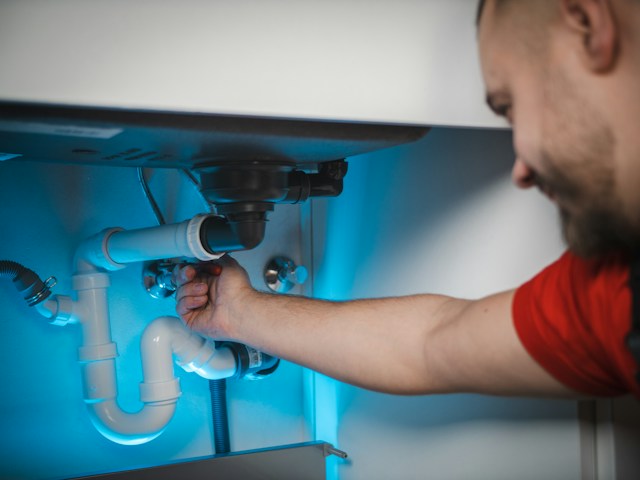
Michigan’s first freeze can expose hidden plumbing and foundation vulnerabilities, including uninsulated pipes, drainage problems, and existing cracks. Preparing these areas before temperatures drop can help prevent burst pipes, moisture intrusion, and costly winter damage.
.jpg)
A fall home inspection can uncover roof, gutter, foundation, plumbing, attic, and wildlife issues before Michigan’s winter weather makes them worse. Addressing small problems before freezing temperatures arrive can help prevent water damage, frozen pipes, structural concerns, and costly repairs.
