
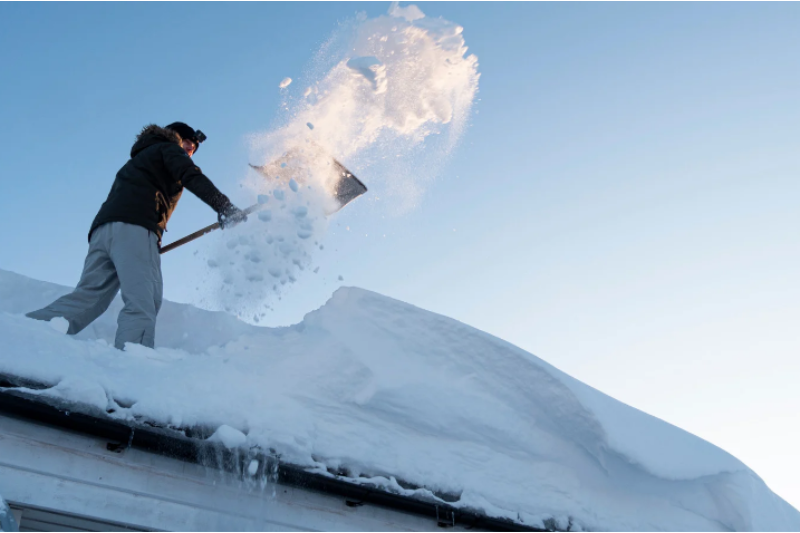
Heavy snow and ice can cause serious roof leaks, structural stress, and hidden moisture problems that quickly escalate into mold or long-term damage. Homeowners benefit from recognizing early warning signs like sagging ceilings, ice dams, and attic frost, and taking immediate steps to contain water and document damage. Professional winter restoration services help stabilize the roof, remove ice safely, dry affected areas, and fully restore the home.
Our state experiences massive snow accumulations, sudden temperature drops, and wind gusts strong enough to lift shingles or push snow into roof seams. These conditions are especially tough on older homes or roofs that haven’t been inspected in a while.
Snow might look soft and powdery, but it can become incredibly heavy as it compresses or mixes with ice. That added weight puts stress on your roof structure. As snow melts during the day and refreezes overnight, it creates ice dams that trap water under shingles—one of the biggest causes of winter leaks.
We help homeowners across Michigan—including Orion Charter Township, Auburn Hills, Rochester, and Shelby Township—recover after heavy snow and winter storm events. We see firsthand how fast small issues can turn into major water damage if they’re not recognized early. Our goal is to help homeowners identify trouble signs quickly and take the right steps to protect their property.
Start by making sure everyone is safe. That means:
Your safety comes first—property issues can be fixed, but injuries can happen quickly on slick surfaces.
From inside the home, look for:
These are urgent red flags that your roof could be under severe stress.
You don’t need—and shouldn’t attempt—to climb onto your roof. Instead, inspect it safely from the ground:
These issues can cause damage or become dangerous as the snow melts.
We strongly recommend never climbing onto the roof after a snowfall. It’s one of the most dangerous home-maintenance risks homeowners take.
Winter roofs can have:
Improper tools or unstable ladders make the situation even more hazardous. Leave roof inspections to professionals trained and equipped for winter conditions.
Yellow or brown stains indicate that melting snow or trapped ice has already breached your roofing system.
This is a serious warning sign. Water entering through electrical fixtures can be dangerous and requires immediate action.
Moisture trapped behind walls causes materials to warp and bubble—often long before the leak becomes visible.
Frost on rafters or insulation can mean poor ventilation, ice dams, or an active roof leak. This is one of the earliest signs of winter roof trouble.
Wind gusts during Michigan storms can tear shingles loose. Even one missing shingle can lead to significant water intrusion.
Once insulation absorbs water, it loses its ability to insulate and becomes a magnet for mold.
If you smell something damp or musty—especially upstairs—there’s a good chance water is trapped inside the structure.
Start by managing the water that’s already inside your home. This helps prevent floors, furniture, and personal belongings from being damaged.
Use:
Even temporary containment can make a big difference while waiting for professional help.
If water is near outlets, ceiling fixtures, or electrical components, turn off power to that section of the home. Winter leaks often travel along beams and wires before becoming visible, creating hidden shock risks.
This simple step helps prevent fire hazards or electrical injuries.
Before moving or drying anything, take photos and videos of the damage:
Make sure your images include timestamps when possible. This documentation is extremely important during winter storm insurance claims.
Wet ceilings, drywall, or insulation can collapse if touched. Leave compromised materials alone—you don’t want to trigger a larger collapse or spread mold spores.
Moisture trapped inside walls, ceilings, and attics leads to:
The sooner we step in, the more we can save—and the less invasive the repairs will be.
Our first priority is stopping water intrusion. We install emergency tarps and protective coverings to prevent additional snowmelt or ice from entering the home. This temporary stabilization gives us time to assess and repair the damage safely.
Ice dams must be removed carefully to avoid damaging shingles or pushing water deeper into the home. We use:
This eliminates the source of water intrusion without harming your roofing system.
Winter leaks are rarely isolated. Using:
we identify the full path of water flow so nothing is overlooked. Moisture mapping prevents future mold growth and ensures all affected areas are treated.
To restore structural materials safely, we use:
If insulation has been saturated, we remove and replace it to restore proper thermal performance and prevent mold.
We coordinate repairs through certified local partners for:
This ensures your exterior is restored and protected from future storms.
Winter moisture issues are a major cause of mold growth. We apply antimicrobial treatments, remove compromised materials, and remediate any areas where mold has begun to form.
Storm damage often affects more than just the attic. We handle complete interior repairs, including:
Our goal is to return your home to pre-storm condition—often even better.
Winter storm claims can be complex. We assist by:
This helps ensure homeowners receive the coverage they’re entitled to.
Winter storm damage may feel overwhelming, but with the right team behind you, it’s absolutely fixable. Quick action can prevent mold, structural deterioration, and long-term water issues that silently spread during Michigan’s coldest months.
We encourage homeowners to stay alert after major snowfalls—check your rooflines, watch for early leak signs, and call us the moment something seems off. Whether it’s emergency tarping, ice dam removal, roof leak cleanup, or full interior restoration, our team is ready to step in and protect your home.
When heavy snow puts your home at risk, we’re here around the clock to help you recover quickly and safely.
Discover the latest strategies for effective water damage restoration and how our 24/7 emergency response can safeguard your home.
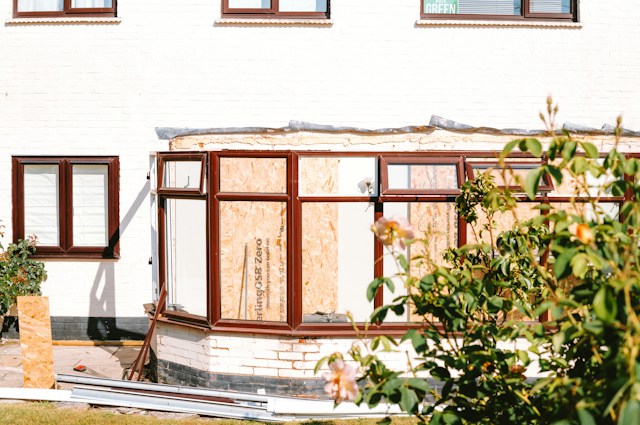
Delaying summer storm damage repairs into fall can allow minor roof, siding, gutter, and moisture problems to spread into more extensive damage. Addressing storm damage before winter can reduce repair costs, simplify insurance documentation, and protect the home from freeze-thaw conditions.
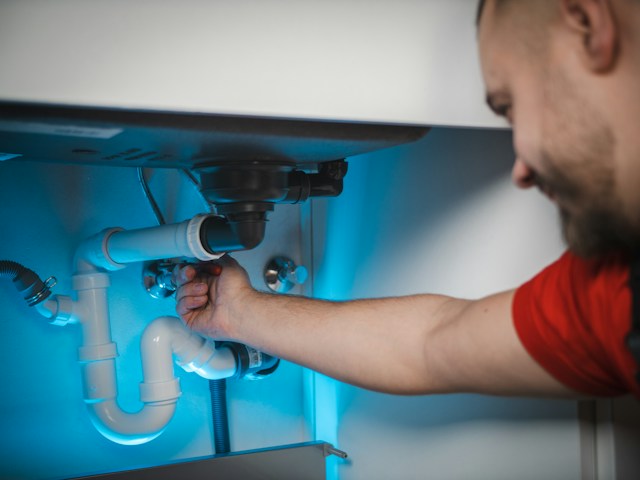
Michigan’s first freeze can expose hidden plumbing and foundation vulnerabilities, including uninsulated pipes, drainage problems, and existing cracks. Preparing these areas before temperatures drop can help prevent burst pipes, moisture intrusion, and costly winter damage.
.jpg)
A fall home inspection can uncover roof, gutter, foundation, plumbing, attic, and wildlife issues before Michigan’s winter weather makes them worse. Addressing small problems before freezing temperatures arrive can help prevent water damage, frozen pipes, structural concerns, and costly repairs.
