

Heavy snow and freezing temperatures can create ice dams and roof leaks that lead to hidden water damage, mold, and structural issues. Homeowners benefit from knowing the early warning signs and taking quick steps to contain leaks and protect their property. Professional winter restoration services help remove ice dams safely, repair damage, and prevent problems throughout Michigan’s harsh winter season.
Michigan winters bring some of the harshest roofing conditions in the country. Heavy snow, freezing temperatures, and powerful winds put homes under constant stress for months at a time. While many homeowners stay focused on driveways, vehicles, and heating systems, it’s the roof—your home’s first line of defense—that often suffers the most.
Every winter, we help homeowners in Orion Charter Township, Rochester, Auburn Hills, Oakland Township, and the surrounding areas deal with roof leaks, ice dams, and storm damage. We’ve seen firsthand how fast winter roof problems can escalate—and how overwhelmed homeowners feel when water starts dripping inside. Our goal is to step in quickly, protect your home, prevent further damage, and give you clear direction on next steps.
Ice dams form when warm air from your attic melts the snow sitting on your roof. That melted water runs down toward the roof’s edge, where the temperature is much colder. When it reaches those cold eaves, it refreezes. Over time, this freeze–melt cycle builds thick ridges of ice that block the natural flow of melting snow.
Once water gets trapped behind an ice dam, it has nowhere to go except under your shingles. From there, it seeps into:
This hidden intrusion often leads to stains, bubbling drywall, mold growth, and even ceiling collapse in severe cases.
Ice dams usually form in the same vulnerable areas:
These spots stay colder than the rest of the roof, making them the first to freeze and the hardest to thaw.
Homeowners often miss early warning signs because the damage starts inside the roof. Look for:
If you’re noticing any of these, an ice dam may already be causing water to seep into your home.
Start by keeping the water from spreading across floors or soaking into belongings. Use:
This helps minimize the immediate damage while you prepare for cleanup.
Water can ruin furniture, electronics, holiday gifts, and personal keepsakes within minutes. Shift everything away from the drip line to prevent further damage.
Take photos and videos of:
This documentation speeds up the insurance claim process and helps you get reimbursed for repairs.
If water is dripping close to outlets, lights, or electrical panels, turn off power to that area. Even a small roof leak can create shock risks behind the walls or in the ceiling.
Moisture spreads quickly through insulation, wood framing, and drywall. When left unresolved, winter leaks can cause:
Quick response protects your home from more widespread—and more expensive—repairs.
We begin by stopping water intrusion immediately. Our team installs emergency tarps and barriers to keep snow, ice, and meltwater from entering your home while we assess the damage.
Removing ice dams incorrectly can destroy shingles or cause more leaks. We use:
This stops water from backing up under shingles and prevents further leakage.
Using moisture meters, thermal imaging, and attic inspections, we identify where water has traveled. Moisture often spreads beyond the visible leak, so mapping ensures nothing is missed.
Inside the home, we handle:
This prevents mold growth and restores safe indoor air quality.
We work with licensed roofing partners to repair or replace:
These partners ensure that the roof is structurally sound and fully weatherproof.
Winter storms can:
We repair all storm-related issues to protect your roof and your home.
Roof leaks often affect ceilings, walls, and floors. We restore:
Our goal is to return your home to pre-damage condition seamlessly.
Winter storm claims can be complicated. We help by:
We make the claim process easier so you can focus on your home, not the paperwork.
Clogged gutters trap water, which freezes and forms ice dams. Clearing them in late fall prevents winter backup and overflow.
Proper insulation keeps warm air from escaping into the attic, while ventilation allows moisture to escape. Together, they reduce melting snow on the roof—and prevent ice dams.
These areas are common leak points. Proper sealing stops warm air leakage and keeps snowmelt from entering your home.
Heat cables help prevent ice buildup along roof edges and in gutters. They’re especially effective on steep roofs or in shaded areas.
Branches heavy with snow can break and damage shingles. Trimming them in fall reduces the risk of impact damage.
A pre-winter inspection identifies:
Catching these early can prevent major winter surprises.
We support homeowners across Orion Charter Township, Auburn Hills, Rochester, and surrounding communities with winter readiness inspections, moisture checks, ice dam removal, and leak prevention planning to keep their homes safe all season long.
Winter roofing problems can strike without warning, but with the right team on your side, they’re completely manageable. Whether you’re dealing with ice dams, a sudden roof leak, or storm damage after heavy snow, taking quick action can significantly reduce repair costs and prevent long-term issues like mold or structural deterioration.
We encourage Michigan homeowners to stay proactive during the harsh winter months—watch for warning signs, keep your roof and gutters maintained, and reach out at the first sign of trouble. Our team is equipped to handle everything from emergency tarping and ice dam removal to full interior restoration.
When winter weather threatens your home, we’re ready to step in fast and protect what matters most.
Discover the latest strategies for effective water damage restoration and how our 24/7 emergency response can safeguard your home.
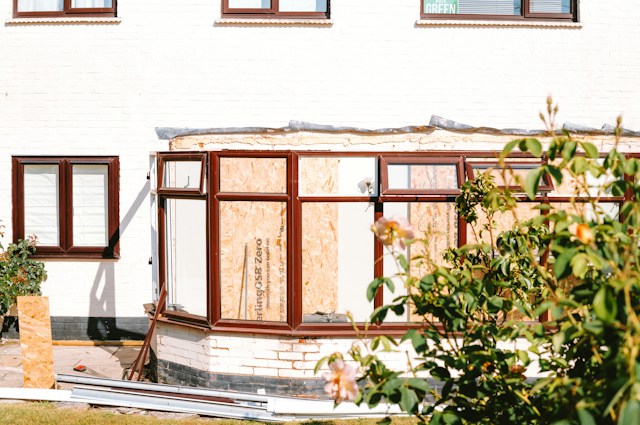
Delaying summer storm damage repairs into fall can allow minor roof, siding, gutter, and moisture problems to spread into more extensive damage. Addressing storm damage before winter can reduce repair costs, simplify insurance documentation, and protect the home from freeze-thaw conditions.
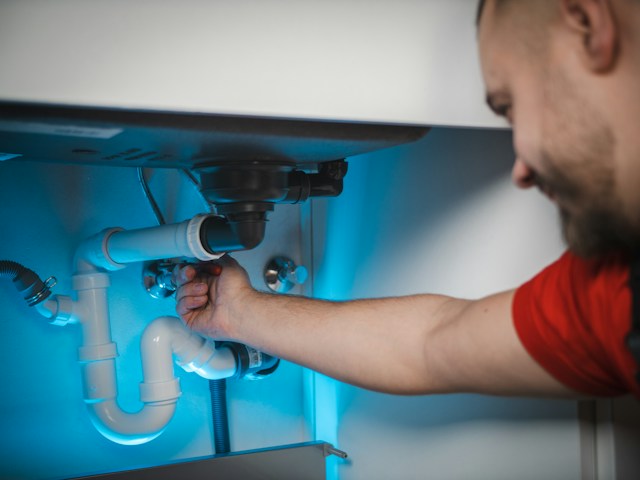
Michigan’s first freeze can expose hidden plumbing and foundation vulnerabilities, including uninsulated pipes, drainage problems, and existing cracks. Preparing these areas before temperatures drop can help prevent burst pipes, moisture intrusion, and costly winter damage.
.jpg)
A fall home inspection can uncover roof, gutter, foundation, plumbing, attic, and wildlife issues before Michigan’s winter weather makes them worse. Addressing small problems before freezing temperatures arrive can help prevent water damage, frozen pipes, structural concerns, and costly repairs.
