
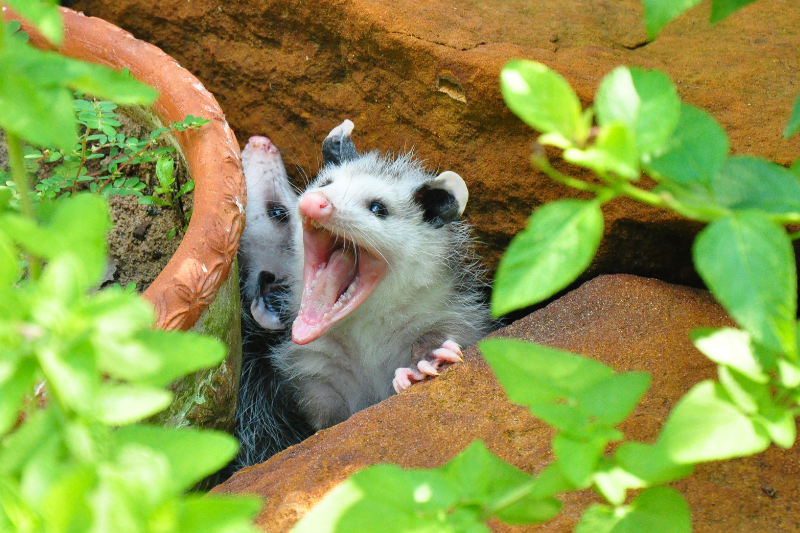
Possums often take shelter in crawlspaces, attracted by warmth, protection, and easy food access. Ignoring their presence can lead to insulation damage, foul odors, and health risks from bacteria or parasites. DIY removal attempts can be dangerous, legally problematic, and leave lingering damage or re-entry points. The best approach is to call humane wildlife experts, then follow up with professional cleanup, repairs, and exclusion work.
Michigan homeowners are no strangers to wildlife sightings—but when that wildlife moves in beneath your home, it becomes a much bigger problem. One of the most common (and surprisingly crafty) intruders is the possum. These nocturnal marsupials are opportunistic by nature, and your crawlspace offers everything they’re looking for: shelter from Michigan’s cold winters, protection from predators, and even access to nearby food sources.
Crawlspaces are especially vulnerable because they’re often out of sight and out of mind. If foundation vents are damaged, skirting is loose, or insulation is exposed, a curious possum won’t think twice about setting up shop. And once inside, they’re likely to stay—sometimes even raising young in the dark, protected space beneath your home.
While possums may look harmless (and even a bit comical), ignoring signs of their presence can lead to serious consequences. Their sharp claws can tear through insulation and vapor barriers. Their waste introduces harmful bacteria and strong odors. And if cornered or threatened, possums can scratch or bite—posing health risks to both humans and pets. Beyond that, their presence can attract other animals like raccoons or rodents, compounding the issue.
Possums are nocturnal, meaning they’re most active after sunset. You may hear scratching, slow rustling, or occasional thumping sounds coming from beneath the floor, particularly near ductwork, plumbing runs, or foundation walls. These sounds may be subtle at first but become more noticeable over time as the animal moves in and out or creates a nest.
If the sounds are accompanied by hissing or growling, it could also indicate territorial behavior—especially if more than one animal is involved.
A strong, persistent musty or ammonia-like odor is a classic sign of a possum—or any wild animal—living in your crawlspace. Their urine and feces can soak into insulation and wooden supports, while nesting materials like leaves, paper, or debris start to rot. Over time, these odors can permeate the air in your home, making your living spaces smell foul and unwelcoming.
If the possum dies under the home, the smell becomes unmistakable and extremely difficult to remove without professional help.
Possums are surprisingly heavy for their size and can cause physical damage while crawling through confined spaces. You may notice:
These issues not only affect energy efficiency but can also lead to moisture problems and further animal intrusion.
If you’ve noticed damaged or missing crawlspace vents, gaps in mobile home skirting, or holes near the foundation, those are likely how the possum got in. Possums can squeeze through surprisingly small openings—sometimes as small as 3–4 inches in diameter. These vulnerable spots should be inspected immediately and sealed once the animal is removed.
Take a walk around your home’s exterior. If you see distinct paw prints, claw marks on foundation vents, scattered nesting debris, or droppings near access points, you may be dealing with a possum. Their droppings resemble those of small dogs—dark and tubular—but may be mixed with other nesting signs like chewed leaves, insulation fluff, or even pieces of trash.
While possums generally prefer to avoid confrontation, they are wild animals—and when trapped or scared, they will defend themselves. They may bare their teeth, hiss, bite, or claw if they feel cornered. The confined, low-visibility space of a crawlspace makes it even harder to safely approach or retreat if the situation escalates.
Homeowners attempting to remove possums without experience often underestimate how dangerous and stressful the situation can become.
Possums carry parasites and bacteria that can be transmitted to humans through bites, scratches, or contact with their feces and urine. This includes:
Even after the animal is removed, these pathogens may remain in contaminated insulation, wood, or vapor barriers—posing a lingering health hazard.
In Michigan, possum removal is subject to wildlife protection laws, and there are regulations on how and when animals can be trapped or relocated. Using inhumane traps or releasing wildlife in unauthorized areas can lead to fines or legal consequences. Well-intentioned homeowners may inadvertently violate these laws—or cause harm to the animal—by using unapproved methods.
Professional wildlife handlers know how to capture and relocate animals safely, ethically, and within state guidelines.
Even if you successfully remove a possum on your own, the problem doesn’t end there. The entry points remain open. The contaminated insulation stays in place. The odor lingers. And without addressing these issues, you're inviting the same—or new—animals right back into the space.
Only a comprehensive remediation approach ensures:
At Titus Contracting, we not only coordinate humane animal removal with trusted wildlife professionals—we also handle the damage left behind, so your crawlspace is safe, clean, and protected for the long term.
The first rule of wildlife intrusions: don’t panic—but don’t approach either. Possums can become defensive if they feel cornered, and a scared animal in a tight crawlspace is unpredictable. Avoid shining lights or making loud noises near the suspected area, as this can agitate the animal or cause it to retreat further into the space, making removal more difficult.
One of the most common homeowner mistakes is trying to trap the problem—literally. Sealing off the crawlspace or blocking vents while the animal is still inside can result in injury or death to the possum, which can lead to decomposition odors, maggot infestations, and health hazards. It also increases the risk of secondary damage as the animal claws or chews its way out.
Wait until a professional has verified the space is clear and safe before sealing any entry points.
Take note of any signs:
Photos and written observations are incredibly helpful when contacting wildlife or restoration professionals. They’ll use your information to develop a plan for safe removal, damage assessment, and long-term exclusion.
This is where the professionals step in. Titus Contracting works alongside licensed wildlife removal specialists who use humane, safe, and legal methods to trap and relocate possums. Our team can coordinate the removal process and immediately follow up with restoration work to reverse any damage caused by the intruder.
Because possums are often just a symptom of a larger issue—like broken vent screens, open crawlspace access, or poor insulation—our job doesn’t stop at removal.
Once the possum is gone, Titus Contracting performs:
It’s not just about removing the animal—it’s about making sure the problem doesn’t return.
It’s easy to dismiss a possum in the crawlspace as a temporary inconvenience—but doing so can have long-lasting consequences. Possums are more than just noisy nighttime visitors; they pose a real threat to your family’s health, your home’s structural integrity, and your overall peace of mind. From harmful waste to torn insulation and lingering odors, the damage they cause beneath your home can escalate quickly if not properly addressed.
Trying to handle the situation yourself may seem like a cost-saving shortcut, but in reality, it increases the risk of injury, legal issues, and incomplete remediation. DIY efforts often overlook the most important steps—sanitization, structural repair, and wildlife-proof sealing—leaving your home vulnerable to future infestations.
At Titus Contracting, we help Michigan homeowners take the right steps from the beginning. Our team coordinates humane wildlife removal, cleans and sanitizes crawlspaces, repairs animal damage, and secures your home against future intrusions. Whether you're in Bruce Township, Rochester, Orion Charter Township, Auburn Hills, Oakland Charter Township, or Shelby Township, we’re just a phone call away.
Discover the latest strategies for effective water damage restoration and how our 24/7 emergency response can safeguard your home.
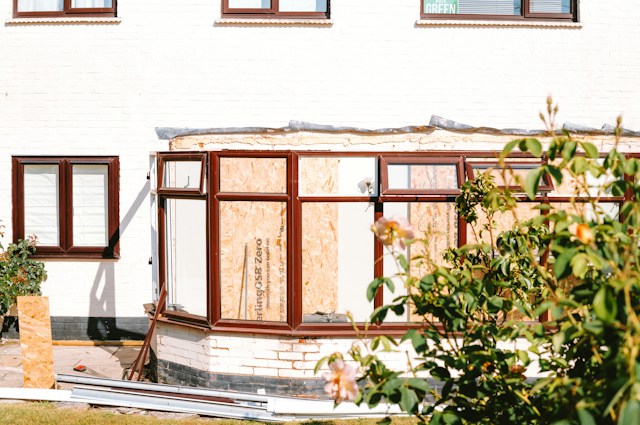
Delaying summer storm damage repairs into fall can allow minor roof, siding, gutter, and moisture problems to spread into more extensive damage. Addressing storm damage before winter can reduce repair costs, simplify insurance documentation, and protect the home from freeze-thaw conditions.
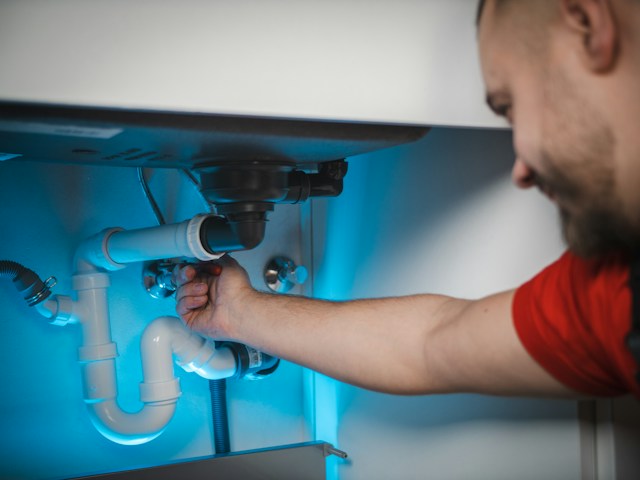
Michigan’s first freeze can expose hidden plumbing and foundation vulnerabilities, including uninsulated pipes, drainage problems, and existing cracks. Preparing these areas before temperatures drop can help prevent burst pipes, moisture intrusion, and costly winter damage.
.jpg)
A fall home inspection can uncover roof, gutter, foundation, plumbing, attic, and wildlife issues before Michigan’s winter weather makes them worse. Addressing small problems before freezing temperatures arrive can help prevent water damage, frozen pipes, structural concerns, and costly repairs.
