
.jpg)
A fall home inspection can uncover roof, gutter, foundation, plumbing, attic, and wildlife issues before Michigan’s winter weather makes them worse. Addressing small problems before freezing temperatures arrive can help prevent water damage, frozen pipes, structural concerns, and costly repairs.
Most Michigan homeowners do not think much about their roof, foundation, or attic until something goes wrong. A shingle blows off, a pipe freezes, or a strange scratching sound starts overhead. By then, the fix usually costs more than it would have in October.
Fall is the quiet window before winter puts real pressure on a house. Temperatures swing, moisture sneaks in, and small gaps that seemed harmless in August suddenly matter. A weekend afternoon spent walking your property can catch problems while they are still cheap and simple to handle. This checklist walks through exactly what to look for, room by room and system by system, before the first hard freeze hits Southeast Michigan.
Water expands when it freezes. That simple fact drives most of the winter damage we see across Shelby Township, Rochester, Auburn Hills, and Orion Township. Moisture that soaks into a crack, a shingle gap, or porous concrete will freeze, expand, and widen that opening. Then it thaws, refreezes, and widens it again.
This cycle repeats dozens of times over a Michigan winter. A hairline foundation crack in October can become a real structural concern by March. The same goes for roof flashing, driveway concrete, and old caulking around windows.
Small problems do not stay small once snow and cold arrive. A minor roof issue becomes a ceiling problem. A slow leak becomes a mold situation. What starts as a gap around a vent pipe can let in enough moisture to rot the roof deck underneath it.
Common late-fall damage triggers we see in Southeast Michigan include:
Walk the perimeter of your house and look up. You do not need to climb onto the roof to catch most warning signs.
Clogged gutters cause more winter damage than most homeowners realize. When leaves and debris block water flow, that water has nowhere to go but back toward the roofline or foundation.
Foundation issues rarely announce themselves loudly. They show up as a thin crack, a slightly damp basement wall, or soil that slopes the wrong way. Left alone, freeze-thaw cycling turns these small issues into bigger ones.
Drafts are more than an energy bill issue. They often signal a sealing gap that lets in moisture along with cold air.
Water left in an exterior faucet line can freeze and split the pipe, sometimes without any visible sign until spring.
A sump pump that works fine in dry October weather can fail under real pressure. Testing it now, rather than during a spring thaw, gives you time to fix problems before they matter.
Wildlife intrusion often goes unnoticed until the damage is significant. Listening and looking for a few specific signs can catch it early.
Animals do not need a large opening to get in. Squirrels can fit through gaps just a couple inches wide, and raccoons are surprisingly capable of squeezing through small openings too.
A walkthrough like this catches a lot, but it has limits. Some of the most costly problems in Michigan homes hide behind walls, under flooring, or above ceilings where a visual inspection cannot reach. Moisture trapped inside a wall cavity, early mold growth behind drywall, and roof deck damage under intact shingles all fall into this category.
This is where a trained eye makes a real difference. A professional inspection uses tools and experience that go beyond what a homeowner can check from the ground or with a flashlight. It is also the only reliable way to know whether what looks minor on the surface is actually contained, or spreading somewhere you cannot see.
Titus Contracting Group offers free inspections across our Michigan service area for exactly this reason. It is a low-pressure way to get a professional opinion before committing to any repair, and it often catches issues homeowners would not have found on their own.
Working through this checklist takes an afternoon. Ignoring it can cost thousands of dollars once winter exposes every gap, crack, and clogged gutter you meant to get to. Michigan's freeze-thaw cycle is not forgiving, and it does not wait for a convenient time to find your home's weak points.
The good news is that most of what causes winter damage is preventable with a little attention in the fall. Whether you handle the checklist yourself or bring in a professional for the parts you cannot easily see, the goal is the same: enter winter knowing your home can handle it.
You do not have to catch everything on this list alone. Titus Contracting Group has spent years helping homeowners across Shelby Township, Rochester, Auburn Hills, Orion Township, and surrounding communities get ahead of seasonal damage before it becomes a real problem. Our free inspections are a simple first step, with no obligation and no pressure.
If you noticed anything on this checklist that gave you pause, or if you would simply rather have a professional confirm your home is ready for winter, reach out. We are also available 24/7 for emergency response if something is already underway.
📞 (586) 610-8608 🔗 tituscontractinggroup.com 📷 Instagram: @titusrestorationgroup
Discover the latest strategies for effective water damage restoration and how our 24/7 emergency response can safeguard your home.
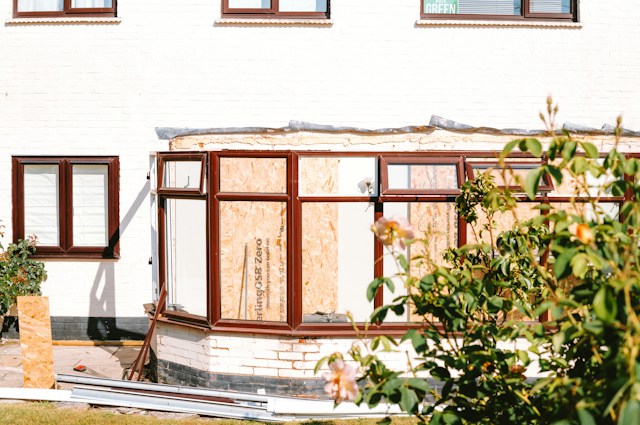
Delaying summer storm damage repairs into fall can allow minor roof, siding, gutter, and moisture problems to spread into more extensive damage. Addressing storm damage before winter can reduce repair costs, simplify insurance documentation, and protect the home from freeze-thaw conditions.
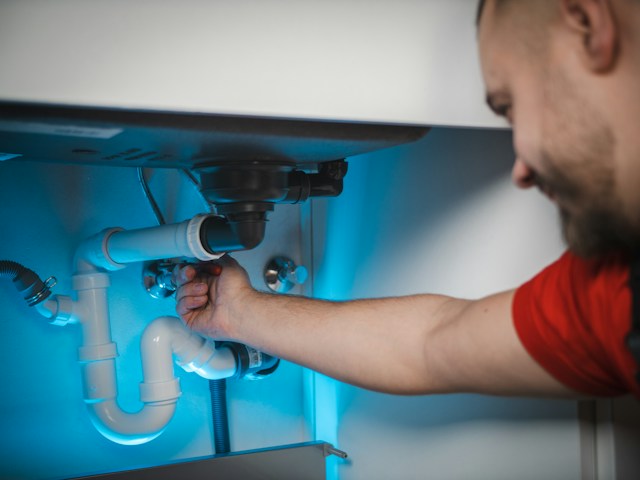
Michigan’s first freeze can expose hidden plumbing and foundation vulnerabilities, including uninsulated pipes, drainage problems, and existing cracks. Preparing these areas before temperatures drop can help prevent burst pipes, moisture intrusion, and costly winter damage.
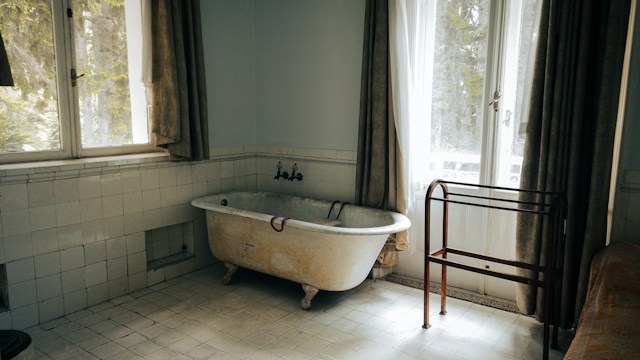
Bathroom problems can range from isolated fixture issues to hidden water damage, mold, or aging infrastructure that requires a larger renovation. Knowing the warning signs of each can help homeowners avoid unnecessary remodeling while addressing serious problems before they spread.
