
-3.png)
Peak summer humidity, heat, and storms create ideal conditions for mold in homes, especially in poorly ventilated attics, basements, and bathrooms. Even small leaks or condensation on cool surfaces can fuel hidden colonies that spread quickly if left untreated. At the first sign of mold—musty odors, allergy symptoms, or visible spots—it’s crucial to address both the moisture source and remove affected materials, preferably with professional remediation. Ongoing prevention through humidity control, proper ventilation, and prompt leak repair keeps mold at bay year-round.
August in Michigan is more than just the tail end of summer—it’s also peak mold season. Between soaring temperatures, high humidity, and frequent storms, the environment inside and around your home becomes ideal for mold to take root and spread. While mold spores are always present in the air, it’s this combination of heat and moisture that allows them to flourish—often out of sight until the damage is done.
Mold thrives in warm, damp environments—and August consistently delivers both. In Michigan, indoor and outdoor temperatures often hover between 77°F and 86°F, which just happens to be the optimal growth range for mold spores.
Even worse, humidity levels indoors tend to rise above 60%, especially in poorly ventilated homes. At this threshold, water vapor in the air begins to condense on cooler surfaces like windows, ductwork, and uninsulated walls—creating micro-environments where mold can grow undisturbed.
Vulnerable spots include:
When warm air meets cooler surfaces without circulation or dehumidification, moisture settles—and mold follows shortly after.
While spring might bring steady rain, late summer storms are often more intense and unpredictable. In August, pop-up thunderstorms, flash flooding, and high winds can lead to a range of water intrusion problems:
The real danger sets in after the storm passes. If water isn’t completely dried out within 24 to 48 hours, mold begins to grow—often inside walls, subflooring, insulation, or behind cabinetry, where you won’t see it right away.
Materials especially prone to mold include:
Even if you dry the surface, residual moisture inside porous materials can silently feed mold colonies for weeks.
Ironically, your air conditioning system—designed to keep your home cool and dry—can also be a source of mold problems if not properly maintained. In August, the temperature differential between cool interior air and hot, humid outdoor air leads to condensation buildup on and around HVAC components.
Common trouble areas include:
If this moisture isn’t properly drained or evaporated, it collects and creates hidden mold hot spots in your ceilings, walls, and around air returns.
Discovering mold—or even suspecting it—can trigger a mix of concern and confusion. Should you clean it yourself? Is it dangerous? What if it’s behind the wall? The key to avoiding long-term damage and costly repairs is taking the right steps right away.
One of the most common mistakes homeowners make is thinking that mold will dry out or “go away on its own.” Unfortunately, that’s never the case.
Ignoring mold allows it to spread, degrade materials, and compromise indoor air quality. It also increases the risk of health issues, especially for children, seniors, and those with respiratory conditions.
It’s tempting to reach for bleach or a scrub brush, especially if the mold looks manageable. But if the mold covers a large area (typically more than 10 square feet), or if it keeps coming back after cleaning, DIY can do more harm than good.
Why?
DIY cleanup may be acceptable for a tiny patch on a non-porous surface (like tile), but anything more than that should be evaluated by professionals.
Mold remediation is not just about removing visible growth—it’s about removing the conditions that allowed it to thrive. That’s where a trained professional makes all the difference.
A certified mold remediation team will:
With professional remediation, you're not just cleaning up mold—you’re ensuring that it doesn’t come back and that your home remains safe, clean, and healthy.
Mold thrives in the dog days of summer—but with the right strategies in place, you can keep it from taking root in your home. Prevention isn’t just about avoiding a single outbreak; it’s about creating an environment where mold simply can’t survive—no matter how humid Michigan’s August weather becomes.
Humidity is one of the most significant contributors to mold growth—and August brings plenty of it. Keeping moisture in check is your first line of defense.
Here’s how to take control:
Controlling humidity not only helps prevent mold, it also improves comfort and reduces wear on HVAC systems.
Stale air traps moisture. Ventilation helps it move out—reducing the risk of condensation and mold-friendly environments.
To boost airflow in your home:
Good ventilation ensures that damp, warm air doesn’t linger long enough to create mold trouble.
Even small leaks can create a steady stream of moisture that mold loves. And in August, when materials dry more slowly due to humidity, even minor drips can become major issues.
Here’s what to check:
If you find a leak—don’t wait to fix it. Dry the area thoroughly and replace any materials that can’t be fully dried.
Sometimes, moisture hides in places you can’t see: inside walls, beneath floors, behind cabinets, or in your attic insulation. That’s why a professional inspection can be invaluable.
Why an inspection helps:
Inspections are especially important after heavy summer storms, flooding, or past water damage. If you’ve had mold in the past, regular checkups are a smart way to stay ahead of new growth.
Michigan’s hot, humid August weather creates the perfect storm for mold to grow—fast. But just because mold loves this season doesn’t mean it has to take hold in your home.
With the right combination of prevention, vigilance, and fast response, you can protect both your property and your health. Whether it’s controlling humidity, repairing leaks, or scheduling a professional inspection after a summer storm, your proactive steps now can prevent major damage later.
If you’ve noticed a musty smell, peeling paint, or unexplained allergy symptoms—or if you’ve recently had water intrusion—don’t wait. The longer mold is allowed to grow, the more costly and invasive the cleanup becomes.
Discover the latest strategies for effective water damage restoration and how our 24/7 emergency response can safeguard your home.
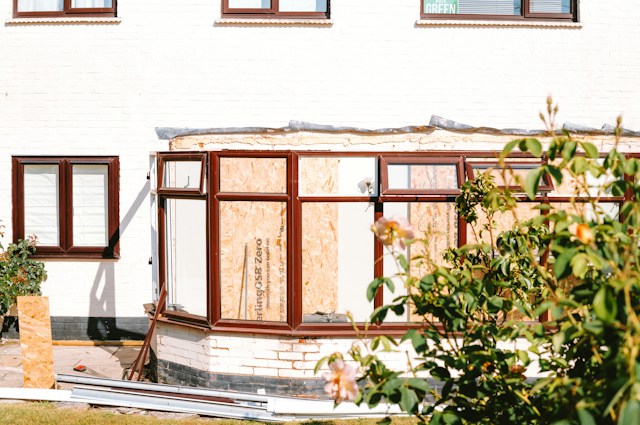
Delaying summer storm damage repairs into fall can allow minor roof, siding, gutter, and moisture problems to spread into more extensive damage. Addressing storm damage before winter can reduce repair costs, simplify insurance documentation, and protect the home from freeze-thaw conditions.
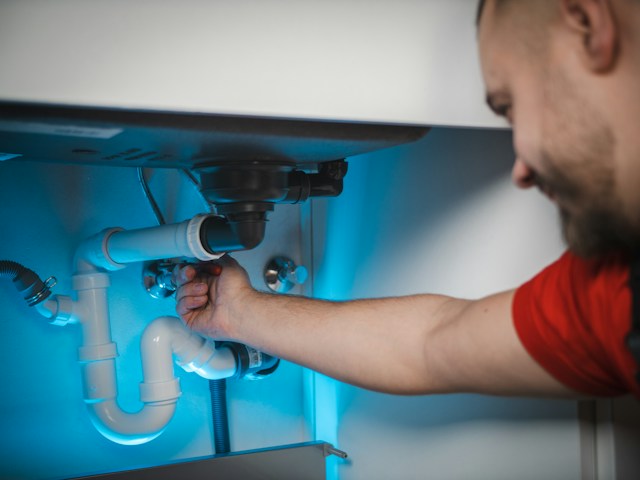
Michigan’s first freeze can expose hidden plumbing and foundation vulnerabilities, including uninsulated pipes, drainage problems, and existing cracks. Preparing these areas before temperatures drop can help prevent burst pipes, moisture intrusion, and costly winter damage.
.jpg)
A fall home inspection can uncover roof, gutter, foundation, plumbing, attic, and wildlife issues before Michigan’s winter weather makes them worse. Addressing small problems before freezing temperatures arrive can help prevent water damage, frozen pipes, structural concerns, and costly repairs.
