
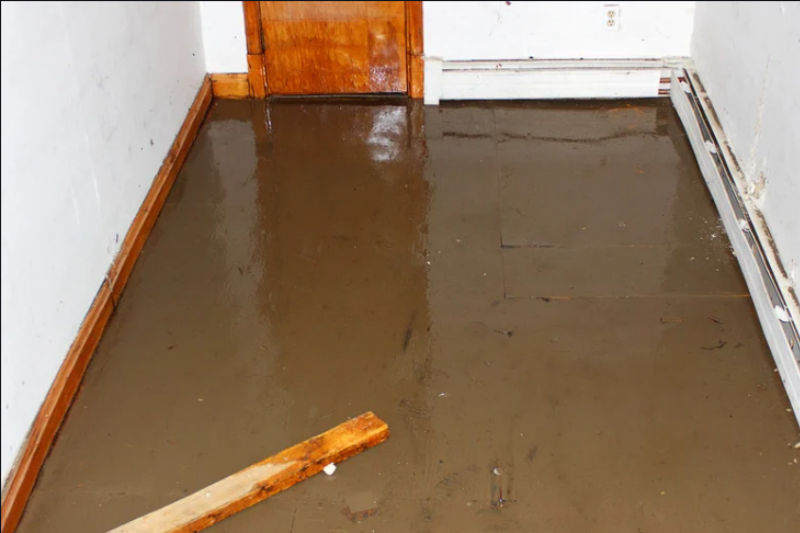
Tornado preparedness can help Michigan families respond quickly and safely before, during, and after severe weather. Having an emergency plan, knowing where to shelter, documenting damage, and arranging a prompt inspection can also reduce the risk of additional home damage.
One minute the sky is bright and humid, the way Michigan summers usually feel. The next, the wind shifts, the sirens start, and everyone in the house is asking the same question at once: what do we do? That gap between calm and chaos is often only a few minutes wide, and it's exactly why so many families freeze instead of act.
Preparation is what closes that gap. Knowing where to go, what to grab, and what to check once the storm passes changes the entire experience, both in terms of safety and in terms of what happens to your home afterward. This is the kind of knowledge that matters most in the moment you least expect to need it.
Every household should have a plan that everyone, including kids, understands without needing to think twice. This means identifying a safe room in advance, agreeing on a communication method if family members are separated, and practicing the plan at least once a year. A plan only works if it's automatic when the sirens go off.
Key elements of a solid family plan include:
A basic emergency kit should be ready to grab in seconds, not something you assemble while the wind is already picking up. Store it somewhere accessible, like a hall closet near your safe room. Check it every few months to replace expired items and refresh batteries.
A well-stocked kit typically includes:
Storm prep isn't only about what's inside the home. The exterior plays a big role in how much damage a storm actually causes. Trees with dead or overhanging limbs near the roofline are one of the most common sources of storm damage in Michigan neighborhoods.
Before storm season ramps up, homeowners should walk their property and check for a few specific things. Trim back branches that hang over the roof or driveway. Secure or store patio furniture, grills, and anything else that could become airborne. Check gutters for buildup that could worsen water intrusion during heavy rain. Know exactly where your gas, water, and electrical shutoffs are located.
This distinction confuses a lot of people, but it matters enormously in an actual event. A tornado watch means conditions are favorable for tornado formation in your area. A tornado warning means a tornado has been spotted or indicated on radar and you need to take shelter immediately.
Watches are your cue to review your plan and stay alert. Warnings are your cue to act, not wait and see. Waiting to confirm a tornado visually before taking shelter is one of the most dangerous habits a homeowner can have.
The safest place during a tornado is the lowest level of your home, in a small interior room away from windows. A basement is ideal, especially under a sturdy piece of furniture like a workbench. If you don't have a basement, an interior bathroom, closet, or hallway on the ground floor is the next best option.
Cover yourself with blankets, pillows, or a mattress if possible to protect against flying debris. Avoid rooms with large windows or exterior walls entirely. The goal is to put as many walls as possible between you and the outside.
Certain instincts during a tornado warning can actually increase danger rather than reduce it. Opening windows to "equalize pressure" is a myth and wastes valuable time. Sheltering in a mobile home or vehicle is extremely risky, since both offer very little protection against high winds.
Some of the most important things to avoid include:
If you're at work, follow your workplace's severe weather protocol and move to the designated shelter area. If you're driving and can't reach sturdy shelter, get low in a ditch or low-lying area away from your vehicle, covering your head. Never attempt to shelter under a highway overpass, as this can actually increase wind speed and debris exposure.
If you're caught outdoors with no shelter nearby, lie flat in the lowest point you can find. Cover your head and neck with your arms. These situations are rare, but knowing the right response in advance removes hesitation when seconds count.
Once the storm passes and it's safe to move, the first priority is checking for hazards before doing anything else. Downed power lines should be treated as live and dangerous, even if they appear inactive. The smell of gas, hissing sounds, or visible line damage all warrant an immediate call to your utility provider from a safe distance.
Walk your property carefully, watching for structural instability such as leaning walls, sagging ceilings, or cracked foundations. Avoid entering any area that looks unstable. Safety always comes before assessment.
Before moving debris or starting any cleanup, take thorough photos and videos of everything affected. This documentation becomes essential when filing an insurance claim and can significantly speed up the process. Capture wide shots of the property along with close-up images of specific damage.
Helpful documentation steps include:
The 24 hour window is real when it comes to storm damage. A minor roof issue becomes a ceiling problem. A slow leak becomes a mold situation. Damage doesn't wait, and neither should you.
This is where a professional inspection makes the biggest difference. Titus Contracting Group offers free inspections specifically because catching hidden damage early prevents small repairs from turning into major ones. Our team looks at what most homeowners can't see on their own, from attic moisture to compromised roof decking, so nothing gets missed before it becomes a bigger problem.
Tornado season isn't a once a year event to brace for and forget. Michigan's weather patterns mean severe storms will keep showing up every summer, sometimes with barely any warning at all. The homeowners who come through these events with the least stress are usually the ones who treated preparation as routine, not reactive.
A little bit of planning, a quick property check each spring, and a willingness to act fast once the storm has passed go a long way. Storm damage is stressful enough without adding uncertainty about what to do next. Building that mindset now means one less thing to worry about when the sirens sound.
If a recent storm has left your home with roof damage, water intrusion, or anything that doesn't look quite right, don't wait to have it checked. Titus Contracting Group offers free inspections and 24/7 emergency response across Shelby Township, Rochester, Auburn Hills, Orion Township, and the surrounding Michigan communities. Our team also works directly with your insurance company, so you're never navigating the claims process alone.
📞 (586) 610-8608 🔗 tituscontractinggroup.com
Discover the latest strategies for effective water damage restoration and how our 24/7 emergency response can safeguard your home.
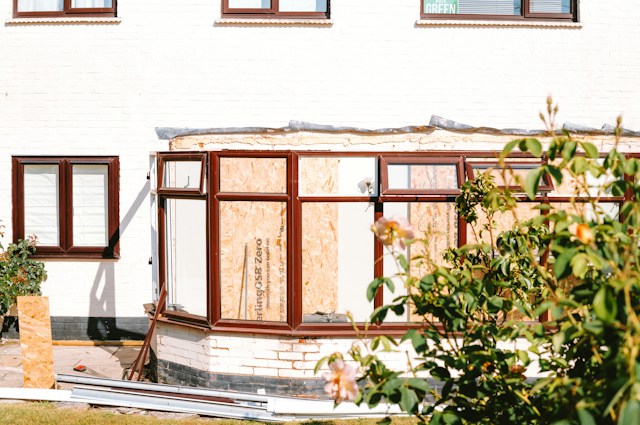
Delaying summer storm damage repairs into fall can allow minor roof, siding, gutter, and moisture problems to spread into more extensive damage. Addressing storm damage before winter can reduce repair costs, simplify insurance documentation, and protect the home from freeze-thaw conditions.
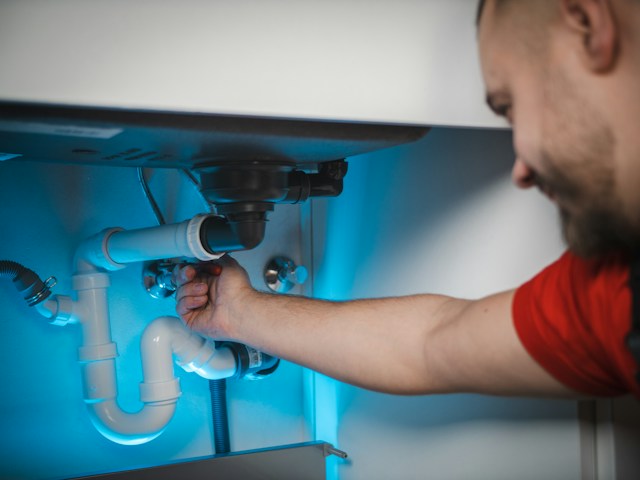
Michigan’s first freeze can expose hidden plumbing and foundation vulnerabilities, including uninsulated pipes, drainage problems, and existing cracks. Preparing these areas before temperatures drop can help prevent burst pipes, moisture intrusion, and costly winter damage.
.jpg)
A fall home inspection can uncover roof, gutter, foundation, plumbing, attic, and wildlife issues before Michigan’s winter weather makes them worse. Addressing small problems before freezing temperatures arrive can help prevent water damage, frozen pipes, structural concerns, and costly repairs.
