
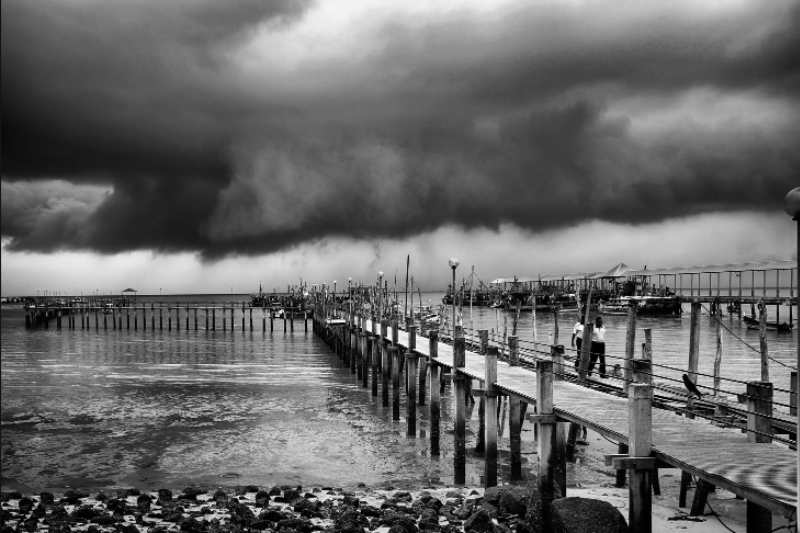
The first 24 hours after tornado damage are critical for protecting your safety, preventing additional property loss, and supporting a successful insurance claim. Proper documentation, emergency mitigation, and fast professional inspections can help homeowners avoid costly secondary damage caused by water intrusion and structural issues. Working with an experienced restoration contractor also helps streamline repairs and navigate the insurance process more effectively.
Tornadoes are more common in Michigan than most people realize. The state averages around 15 to 20 confirmed tornadoes per year, with the highest activity concentrated between May and July. Southeast Michigan — including Macomb, Oakland, and surrounding counties — sits squarely in the path of severe weather systems that push up from the south and collide with cooler Great Lakes air.
When a tornado touches down near your home, the moments after the storm passes can feel disorienting. The damage is visible, emotions are running high, and it's hard to know where to start. Most homeowners in that situation default to one of two responses — they either rush back inside before it's safe, or they freeze and lose critical time.
The decisions you make in the first 24 hours after tornado damage directly affect three things: your safety, the extent of the damage, and the outcome of your insurance claim. This guide walks you through exactly what to do — step by step — so you can protect your home, your family, and your financial recovery.
The documentation you create in the hours immediately following tornado damage is some of the most important evidence your insurance claim will rely on. Once debris is cleared, materials are moved, or temporary repairs are made, the original scope of damage becomes harder to prove. Thorough documentation protects your claim from the start.
Once it is safe to be near or inside the home, document before you do anything else. Here's how to do it well:
Do not remove debris, structural materials, or damaged belongings until your insurance adjuster and your restoration contractor have documented the scene. Making changes before that point — even with good intentions — can create gaps in your claim. If something must be moved for safety reasons, photograph it extensively first and note why it was moved.
Once the storm passes, your home is exposed. A damaged roof, broken windows, and compromised walls leave the interior vulnerable to whatever weather comes next — and in Michigan, that can be additional rain within hours. Water intrusion that happens after the initial event is considered secondary damage, and how it's handled matters for your insurance claim. Taking reasonable steps to prevent it shows good faith and protects your coverage.
If your roof sustained damage, tarping should happen as quickly as possible. This is not a DIY task in most cases — walking on a storm-damaged roof is dangerous, and an improperly secured tarp can cause additional damage or fail entirely in wind. A professional restoration company can deploy emergency tarping quickly and safely.
A properly installed tarp should:
Broken windows and doors need to be covered quickly to prevent rain intrusion, animal entry, and security risks. Plywood boarding is the standard approach. Again, if the area around the opening shows signs of structural compromise, this work should be handled by a professional.
Document all temporary repairs — photograph before, during, and after. Keep receipts for any materials purchased. Most insurance policies allow for and even expect reasonable emergency mitigation, but you'll need records to support reimbursement.
Most insurance policies require you to report damage promptly. Waiting — even a few days — can complicate your claim. Call your insurer as soon as you have documented the initial damage, even if you don't have a full picture of the scope yet. The goal of the first call is to open the claim and get an adjuster assigned, not to have every answer.
This is where working with the right contractor makes a real difference. A general contractor can fix what's broken. A restoration contractor with insurance claim experience can help you understand your policy, document damage in the format adjusters expect, communicate directly with your insurer, and advocate for a complete and accurate scope of repairs.
At Titus Contracting Group, insurance claim assistance is a core part of what we do. Homeowners shouldn't have to navigate that process alone on top of dealing with damage to their home.
After a tornado, the phone calls from contractors start quickly. Some are local and legitimate. Others are storm chasers — out-of-state crews that follow severe weather events and disappear after collecting payment. It's worth being selective.
Beyond vetting who you hire, the type of contractor matters. Tornado damage is not a standard repair job. It requires:
A general contractor builds and renovates. A restoration contractor is trained specifically to assess, document, and repair damage — and to do it in a way that holds up to insurance scrutiny.
A thorough post-tornado inspection should cover:
Tornado damage doesn't happen on a schedule. When a storm comes through at 9 p.m. on a Tuesday, you need to be able to reach someone. Titus Contracting Group offers 24/7 emergency response because the first few hours after damage are the most critical — for safety, for documentation, and for preventing secondary damage from compounding the original loss.
The first 24 hours after tornado damage set the trajectory for everything that follows — how safe your home is to be in, how quickly restoration begins, and how smoothly your insurance claim moves. Staying safe, documenting thoroughly, protecting against secondary damage, and getting the right professional on-site quickly are the actions that make the biggest difference.
Titus Contracting Group serves homeowners across Shelby Township, Rochester, Auburn Hills, Orion Township, and the surrounding Michigan communities. We offer free inspections, 24/7 emergency response, and hands-on insurance claim assistance — because dealing with tornado damage is stressful enough without also figuring out the paperwork on your own.
If your home has been affected by a storm, don't wait to find out how bad it is. Call us or visit our website to schedule your free inspection.
Discover the latest strategies for effective water damage restoration and how our 24/7 emergency response can safeguard your home.
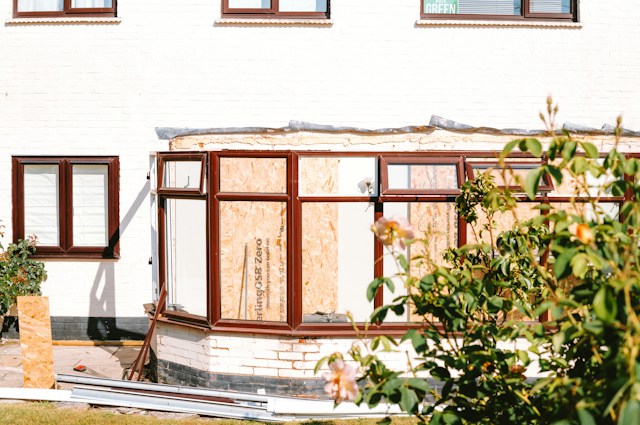
Delaying summer storm damage repairs into fall can allow minor roof, siding, gutter, and moisture problems to spread into more extensive damage. Addressing storm damage before winter can reduce repair costs, simplify insurance documentation, and protect the home from freeze-thaw conditions.
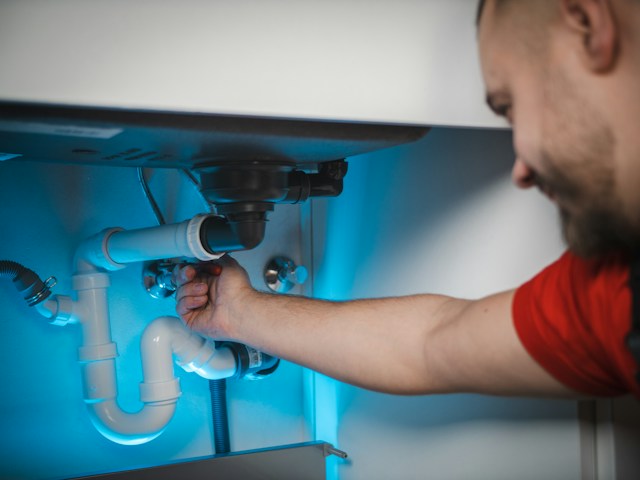
Michigan’s first freeze can expose hidden plumbing and foundation vulnerabilities, including uninsulated pipes, drainage problems, and existing cracks. Preparing these areas before temperatures drop can help prevent burst pipes, moisture intrusion, and costly winter damage.
.jpg)
A fall home inspection can uncover roof, gutter, foundation, plumbing, attic, and wildlife issues before Michigan’s winter weather makes them worse. Addressing small problems before freezing temperatures arrive can help prevent water damage, frozen pipes, structural concerns, and costly repairs.
