
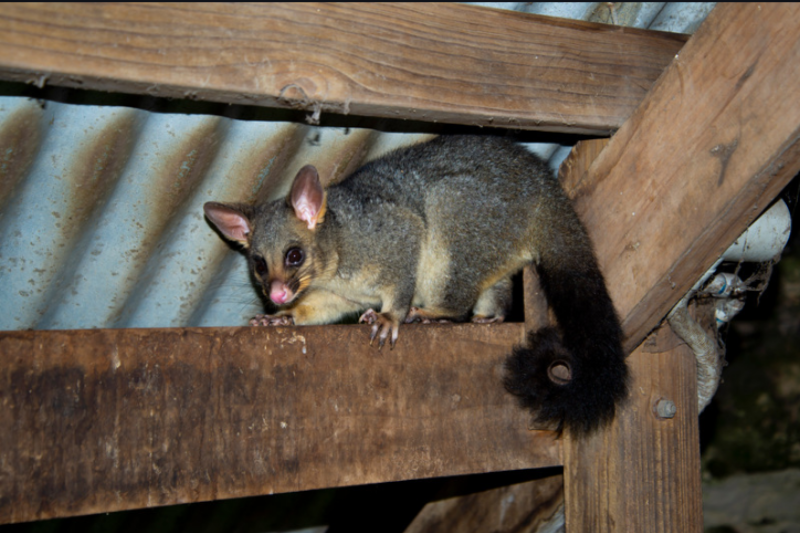
Fall is the critical time to seal wildlife entry points before raccoons, squirrels, bats, and opossums settle into Michigan homes for winter. Early exclusion can help prevent damaged insulation, chewed wiring, water intrusion, odors, and costly repairs.
It usually happens on the first cold night of the season. The furnace kicks on for the first time since spring, and the house settles into that cozy hum. Then you hear it. A faint scratch above the bedroom ceiling, a pause, and then another.
Most Michigan homeowners spend October getting ready for winter. They clean gutters, swap furnace filters, and pull the hoses off the spigots. Raccoons, squirrels, bats, and opossums are getting ready too. They're shopping for the same thing you've worked hard to keep: a warm, dry, quiet place to wait out the cold. If you've already noticed animals moving indoors this fall, the window to act is closing.
When temperatures drop and insects disappear, food gets harder to find. Animals respond by locking in a winter shelter while they still have the energy to search. Across Shelby Township, Rochester, and the rest of Macomb and Oakland County, that search tends to peak from late September through October.
Homes are an easy target because they offer everything a good den needs:
What makes your home the perfect den
Heat rising from the living space below keeps attics comfortable all winter.
Walls and roofs block wind, snow, and predators.
Soft attic insulation is ideal for building a nest.
Vents, soffits, and roof gaps that loosened over summer become open doors.
Exclusion works by letting animals leave and then making sure they can't get back in. That only works while they're active enough to go out. Big brown bats, the species that winters in southeast Michigan homes, slow down through October and hibernate in attics until spring. Sealing a colony inside isn't humane, and it isn't effective either.
Raccoons and opossums don't truly hibernate, but they do hole up during cold snaps. An animal that rarely leaves its den is very hard to move out.
Anyone who has lived here a few years knows how fast fall can flip. A string of sunny 60-degree days can turn into a hard freeze overnight. The best window for exclusion often closes before most people realize it was open.
Michigan's fall house hunters
| Animal | How they get in | Where they settle | Biggest risk |
|---|---|---|---|
| Bats | Very small gaps at the roofline, loose flashing, attic vents | Attics in the mid-30s to low 40s | A colony hibernating until spring |
| Raccoons | Pull back shingles, rip soffits, tear off vent covers | Attics and wall voids | Major structural damage and a spring litter |
| Squirrels | Chew through fascia, roof edges, and vent covers | Attics and roof cavities | Chewed wiring and fire risk |
| Opossums | Gaps in skirting, lattice, and foundation openings | Crawlspaces, under decks, porch voids | Hidden ground-level damage and moisture |
Swipe sideways to see the full table.
Bats need only a very small opening to slip inside. Gaps at the roofline, loose flashing, and attic vents are common entry points. They don't sleep straight through, either. Bats wake periodically during winter and sometimes wander through a gap around a light fixture or attic hatch. That's often how homeowners find out they have a colony, and why bat guano cleanup is often part of the job.
Raccoons don't wait for an opening. They pull back loose shingles, rip through soffits, and tear off vent covers with surprising strength. Michigan raccoons build up fat for winter and stay tucked in their dens during harsh weather. Here's what raccoons are really doing in your attic.
Their breeding season runs February through March, with young born in spring. A raccoon that settles into your attic this fall may still be there when it's time to raise a litter.
Squirrels are some of the busiest animals around a home in fall. Some have a second litter late in the year, and many are stockpiling food for winter. Their teeth never stop growing, so they gnaw on just about everything:
Opossums have thin fur and bare tails, which leaves them vulnerable to frostbite. That's why they look for dry, sheltered spots when cold weather hits. Crawlspaces, the area under decks, and porch voids are favorite choices.
Their damage is easy to miss. It happens at ground level, often behind skirting or lattice nobody checks until spring. Learn more about the moisture and mold connection between possums and crawlspaces.
Hearing scratching overhead? Get it checked before the first hard freeze.
Call (586) 610-8608The hidden costs of a winter tenant
Nesting animals flatten, tunnel through, and soil insulation. Compressed insulation loses much of its ability to hold heat, so heating bills climb all winter.
Chewed wires inside walls and attics can short out or overheat, often unnoticed until something stops working.
Every hole is also a path for snowmelt, wind-driven rain, and ice dam runoff.
Waste builds up over a long winter, creating strong odors and affecting indoor air quality.
By spring, an animal entry point can mean:
Contaminated insulation typically has to be removed and replaced rather than cleaned. Proper wildlife attic cleanup often means removing contaminated materials and sanitizing the area, not just vacuuming.
Timing can tell you a lot about who's up there.
Listen for the clues
| What you hear | When | Likely culprit |
|---|---|---|
| Scratching or scurrying | Early morning | Squirrels |
| Heavy thumps or walking sounds | Night | Raccoons |
| Faint rustling or squeaking | Near dusk | Bats |
Swipe sideways to see the full table.
Take a slow walk around your home in daylight. Look up at the roofline and down at the foundation. Watch for:
Inside clues tend to show up later. A water stain on an upper-floor ceiling, a musty or ammonia-like smell, or a bat in the living room are all reasons to call. So is a sudden jump in heating costs with no clear explanation.
The Titus exclusion process
Paul walks the roofline, checks the attic, and looks closely at the foundation and crawlspace to find every entry point, then explains what he finds in plain terms.
Humane one-way devices let animals leave but not return. Openings are closed only after the space is confirmed clear.
The same team that seals the entry points also repairs the damage behind them.
Many wildlife companies plug the hole and leave. That leaves you calling a second contractor to fix the insulation, drywall, or roof damage behind it. Titus handles both sides of the job through our animal damage services. Because the same team does restoration and remodeling work, repairs can include:
Insurance for animal damage is a gray area. Coverage varies by policy, and damage from certain animals or gradual wear is often excluded. With our insurance claim assistance, Titus can review what happened, document the damage, and help you work through a claim where coverage may apply. You'll get an honest read on your situation rather than a promise nobody can keep.
Right now, you still get to decide who spends the winter under your roof. A few weeks from now, the animals living around your property may make that decision for you. Sealing up before they settle in is almost always simpler, faster, and less costly than evicting them later.
A quiet attic all winter is worth one afternoon of attention this fall. If something about your roofline, crawlspace, or energy bill has been nagging at you, trust that instinct and have it checked.
Titus Contracting Group
Titus Contracting Group offers free inspections for wildlife damage across Shelby Township, Rochester, Auburn Hills, Orion Township, and nearby communities. Paul will take a look, tell you exactly what he sees, and help you decide on next steps. If something urgent turns up, the team is available 24/7.
See our latest wildlife exclusion and repair projects on Instagram.
Discover the latest strategies for effective water damage restoration and how our 24/7 emergency response can safeguard your home.
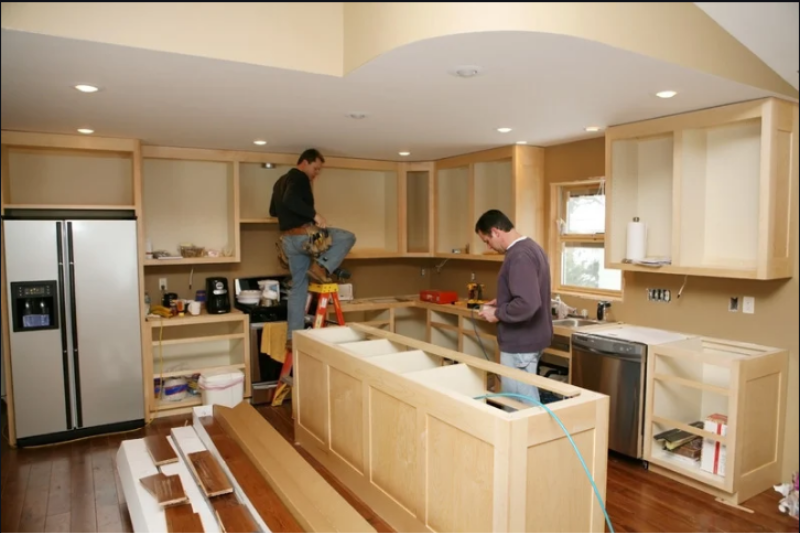
A kitchen remodel can still be completed before the holidays when the project scope matches the available timeline. Cosmetic updates, countertops, lighting, and other targeted improvements may fit before Thanksgiving or Christmas, while larger renovations are often better planned for the new year.
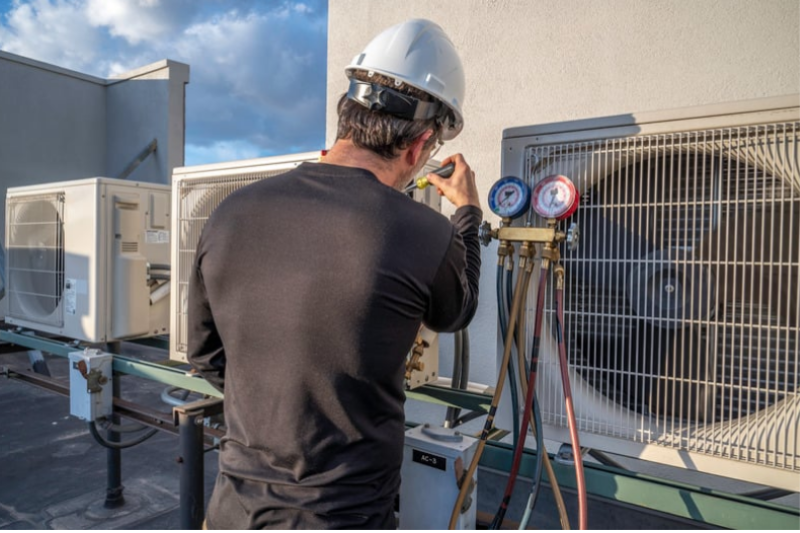
A free fall home inspection can uncover small roofing, foundation, moisture, plumbing, and wildlife problems before winter makes them worse. Addressing these issues before Michigan's freeze-thaw cycles, snow, and ice arrive can help prevent costly repairs and unexpected emergencies.
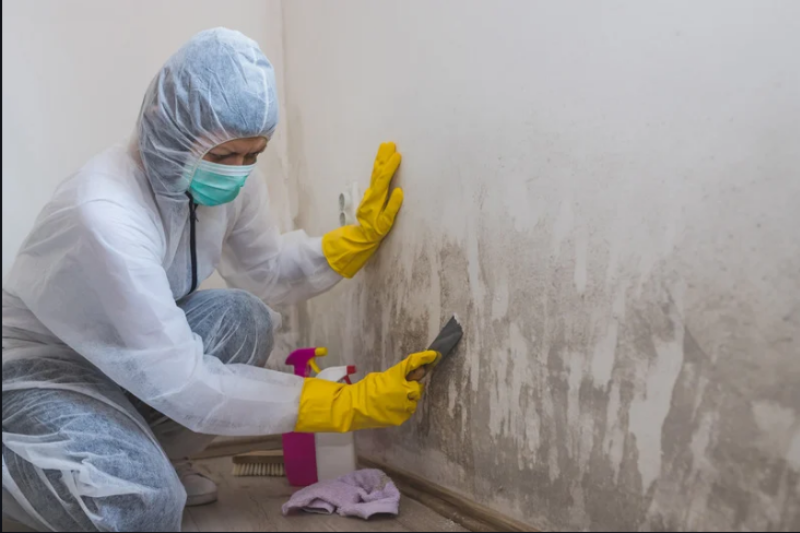
A musty smell when the furnace first turns on may point to hidden mold or moisture inside ductwork, HVAC components, or nearby building materials. Recognizing the difference between normal burning dust and persistent mold odors can help Michigan homeowners address problems before winter.
